In industrial automation and bulk material handling, maintaining consistent material flow is critical for operational efficiency, safety, and cost control. Unplanned stoppages due to blockages in chutes, hoppers, or pipelines can lead to significant downtime, product waste, and even equipment damage. This is where the laser blockage sensor emerges as a superior solution for reliable, non-contact monitoring. Unlike traditional mechanical or vibration-based sensors, laser blockage sensors offer unparalleled precision and reliability in the most demanding environments.
A laser blockage sensor operates on a straightforward yet powerful principle. It consists of two core components: a laser transmitter and a receiver. The transmitter projects a continuous, focused beam of laser light across the path of the material flow—for instance, inside a chute or at the outlet of a silo. The receiver, positioned directly opposite, constantly detects this beam. Under normal, free-flow conditions, the laser beam reaches the receiver uninterrupted. The moment a material buildup or blockage obstructs the beam's path, the light intensity at the receiver drops below a set threshold. This change triggers an immediate electrical signal, alerting the control system to the blockage. This signal can be configured as a simple on/off switch or integrated into sophisticated PLC (Programmable Logic Controller) networks to initiate automated responses like stopping a feeder, sounding an alarm, or activating a cleaning mechanism.
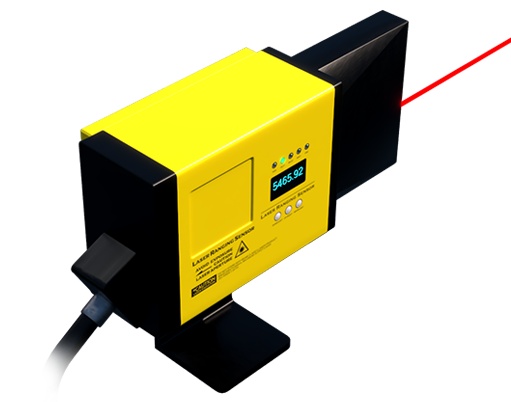
The advantages of using laser technology for this application are substantial. First and foremost is its non-contact nature. The sensor does not physically interact with the material, eliminating concerns about wear, abrasion, or contamination. This translates to minimal maintenance and a long operational lifespan, even when monitoring abrasive materials like cement, sand, or minerals. Secondly, laser sensors provide exceptional accuracy. The focused beam allows for precise detection, distinguishing between actual blockages and mere dust or light material trickle. This reduces false alarms, a common issue with vibration probes that can be triggered by external shocks or machinery rumble. Furthermore, modern laser blockage sensors are designed to be highly resistant to environmental challenges. They feature robust housings (often IP67-rated or higher) that protect against dust, moisture, and harsh temperatures. Advanced models incorporate automatic gain control and dirt compensation algorithms. These features ensure the sensor maintains reliable operation by automatically adjusting its sensitivity to compensate for gradual lens contamination, a frequent occurrence in dusty plants.
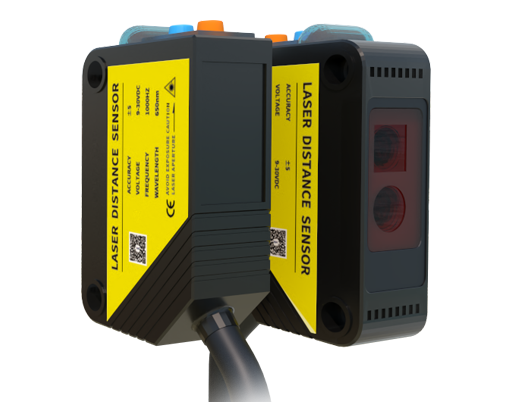
The applications for laser blockage sensors span a wide range of industries. In the cement and aggregates industry, they are indispensable for monitoring material flow in pre-heater towers, cyclone inlets, and conveyor transfer points. In food processing, they ensure consistent flow of grains, powders, and pellets in silos and processing lines. The chemical and plastics industries use them to monitor pellets and granules in pneumatic conveying systems. Power generation plants employ them to detect ash buildup in hoppers. The key to successful implementation lies in proper selection and installation. Factors such as the size of the chute or pipe, the material's characteristics (e.g., opacity, dustiness), ambient light conditions, and the required response time must all be considered. Sensors are available with different laser classes, ranges, and output configurations to match specific needs. Installation typically involves mounting the transmitter and receiver on opposite sides of the vessel using welded or flanged brackets, ensuring perfect optical alignment is achieved and maintained.
When compared to alternative technologies like capacitive probes, paddle switches, or acoustic sensors, laser blockage sensors often represent a higher initial investment. However, their long-term value is undeniable. The reduction in false stops, the prevention of costly overflow or downstream equipment damage, and the near-elimination of maintenance downtime lead to a rapid return on investment. They enhance overall plant safety by preventing hazardous material accumulations and promote predictive maintenance practices by providing consistent, reliable data on material flow patterns.
In conclusion, the laser blockage sensor is a cornerstone technology for modern industrial material flow monitoring. By delivering precise, reliable, and maintenance-free detection of flow interruptions, it empowers industries to optimize their processes, protect their assets, and maximize productivity. As industrial processes become increasingly automated and data-driven, the role of such intelligent, non-contact sensing solutions will only continue to grow in importance.