Optical proximity sensors have become ubiquitous components across diverse industries, transforming how devices perceive and interact with their immediate environment. These non-contact sensors operate by emitting an electromagnetic beam, typically infrared or visible light, and detecting changes in the return signal caused by the presence or absence of a nearby object. This fundamental principle enables a vast array of applications that enhance functionality, safety, and user experience.
In the realm of consumer electronics, optical proximity sensors are integral to power management and intuitive interfaces. Smartphones and tablets extensively utilize these sensors to detect when a device is held close to the user's ear during a call. Upon detection, the sensor signals the system to deactivate the touchscreen display, preventing accidental cheek-triggered inputs and conserving battery life. Similarly, in laptops and all-in-one computers, these sensors enable features like "wake-on-approach," where the device emerges from sleep mode as the user nears, and "look-away dimming," which saves power by dimming the screen when no one is detected in front of it.
The automotive sector leverages optical proximity sensors for advanced driver-assistance systems (ADAS) and interior comfort. They are crucial in automatic headlight control systems, adjusting beam intensity based on ambient light and the proximity of other vehicles. Within the cabin, sensors enable gesture recognition for infotainment control, allowing drivers to adjust volume or accept calls with a wave of the hand, minimizing distraction. Furthermore, they contribute to occupancy detection for optimized airbag deployment and monitor the driver's presence for safety alerts.
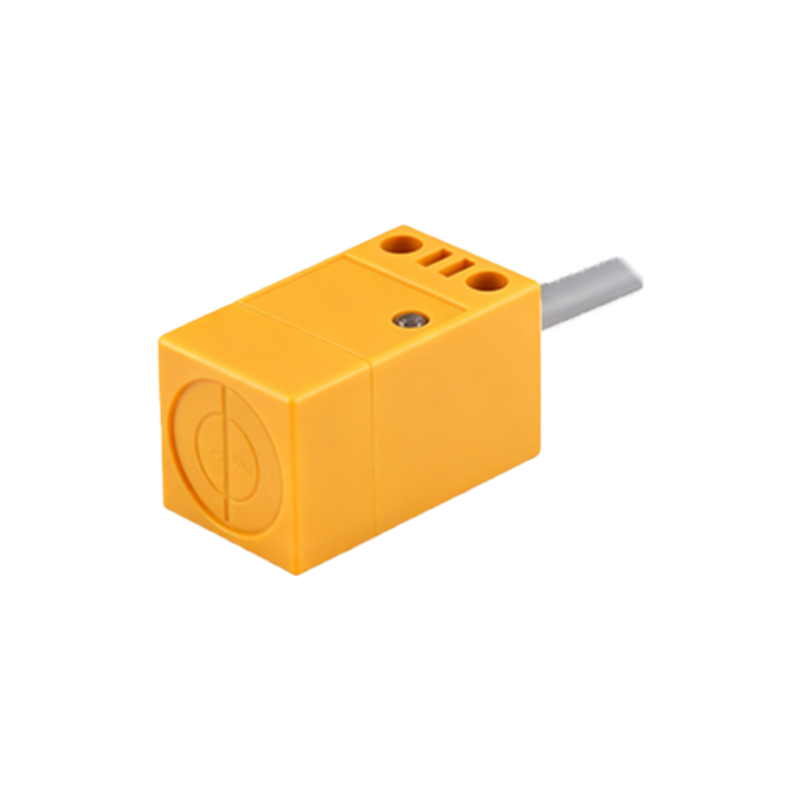
Industrial automation and robotics rely heavily on optical proximity sensors for precision and safety. On assembly lines, they perform critical tasks such as object detection, counting, and position verification without physical contact, preventing part damage and enabling high-speed operation. In robotic arms, these sensors provide precise feedback on the distance to a target object or surface, facilitating delicate pick-and-place operations, welding, and painting. Safety light curtains, which create an invisible optical barrier around hazardous machinery, immediately halt operations if the beam is interrupted, protecting workers from injury.
In the home appliance and smart home domain, these sensors add a layer of convenience and efficiency. Automatic faucets and soap dispensers in public and residential settings use them for touch-free operation, promoting hygiene. Modern trash cans open their lids automatically when a hand approaches. In lighting systems, sensors can trigger lights upon detecting movement in a room, enhancing both convenience and energy savings. Smart displays and televisions may incorporate them to detect viewer presence for content personalization or power management.
Emerging applications continue to push the boundaries. In healthcare, optical proximity sensors are found in equipment for non-invasive monitoring and in devices that require sterile, touch-free operation. Drones use them for terrain following and obstacle avoidance during low-altitude flights. Even in retail, they enable interactive display windows that change content when a potential customer approaches.
The advantages driving this widespread adoption are clear. Optical proximity sensors offer high accuracy and fast response times. Their non-contact nature eliminates mechanical wear and tear, ensuring long-term reliability and preventing contamination of sensitive objects. They can detect a wide variety of materials, including glass, plastic, and metal, and are generally immune to environmental factors like acoustic noise or magnetic fields that affect other sensor types.
However, effective implementation requires consideration of certain limitations. The sensing performance can be influenced by the object's optical properties; transparent or highly reflective surfaces may pose challenges. Environmental conditions like dust, fog, or direct ambient light interference must be accounted for in the design phase, often through modulation techniques and specialized housings.
Looking ahead, the integration of optical proximity sensors with artificial intelligence and the Internet of Things (IoT) promises even smarter systems. Sensors will not only detect presence but also classify objects, track movements, and contribute to contextual awareness in autonomous systems and ambient intelligence environments. As miniaturization and cost reduction continue, their penetration into more aspects of daily life and industrial processes is inevitable, solidifying their role as a fundamental enabling technology for an interactive and automated world.