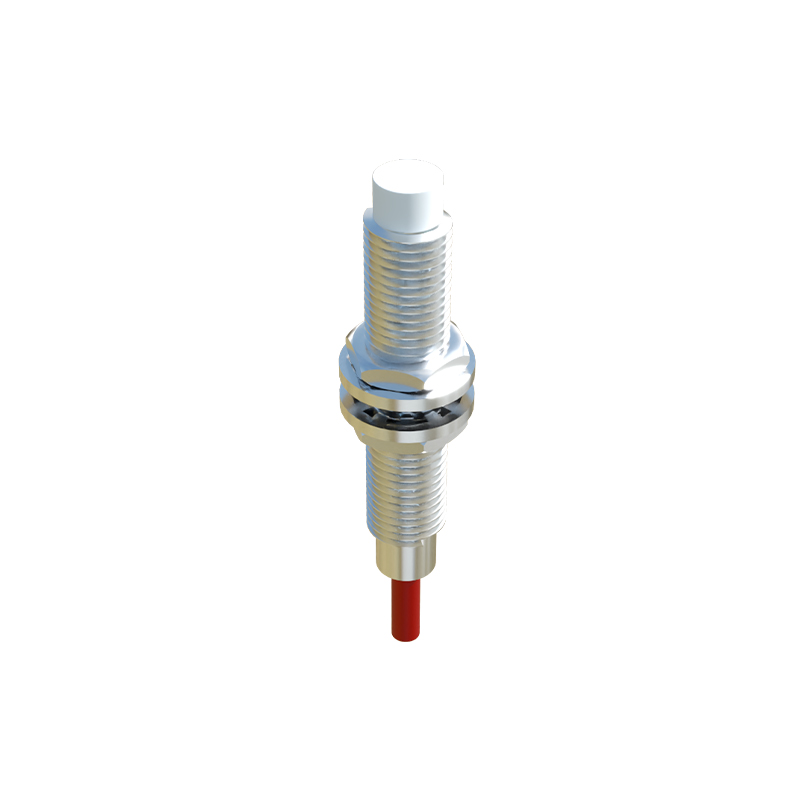
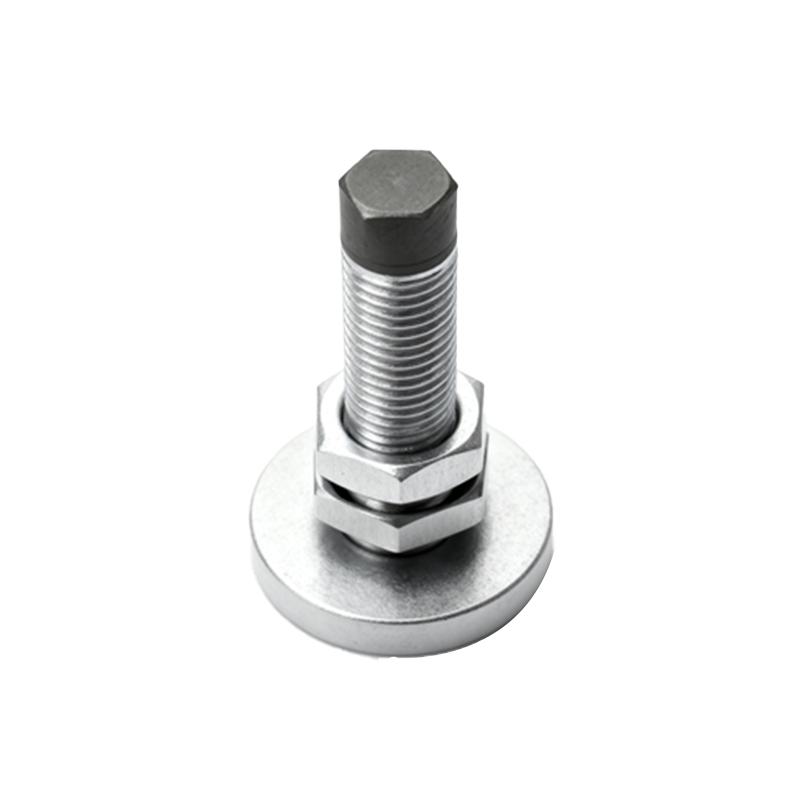
In today's rapidly evolving industrial landscape, the demand for micro proximity sensors continues to surge across sectors such as automotive manufacturing, robotics, consumer electronics, and medical devices. These compact, high-precision components are critical for enabling non-contact detection, position sensing, and automation in space-constrained applications. As an electrical engineer or procurement specialist, understanding the nuances of micro proximity sensor supply is essential for ensuring optimal performance, reliability, and cost-efficiency in your projects.
The supply chain for micro proximity sensors involves multiple layers, from raw material sourcing to final integration. Key materials include semiconductor elements, ferrite cores, and specialized plastics for housings, each subject to market fluctuations and geopolitical factors. Leading manufacturers, such as Omron, Panasonic, and Sick AG, dominate the market with advanced offerings in inductive, capacitive, and magnetic sensing technologies. However, the rise of specialized suppliers focusing on ultra-miniature designs (e.g., sensors under 2mm in diameter) has introduced new options for engineers tackling extreme miniaturization challenges.
When evaluating suppliers, technical specifications must align with application requirements. Factors like sensing distance, response frequency, temperature tolerance, and output type (e.g., PNP/NPN, analog, or IO-Link) directly impact system integration. For instance, in automotive assembly lines, high-speed inductive sensors with robust housing are preferred for detecting metal components, while capacitive sensors might be selected for non-metallic object detection in packaging machinery. Engineers should also consider environmental ratings—IP67 or higher is often necessary for harsh conditions involving dust, moisture, or chemical exposure.
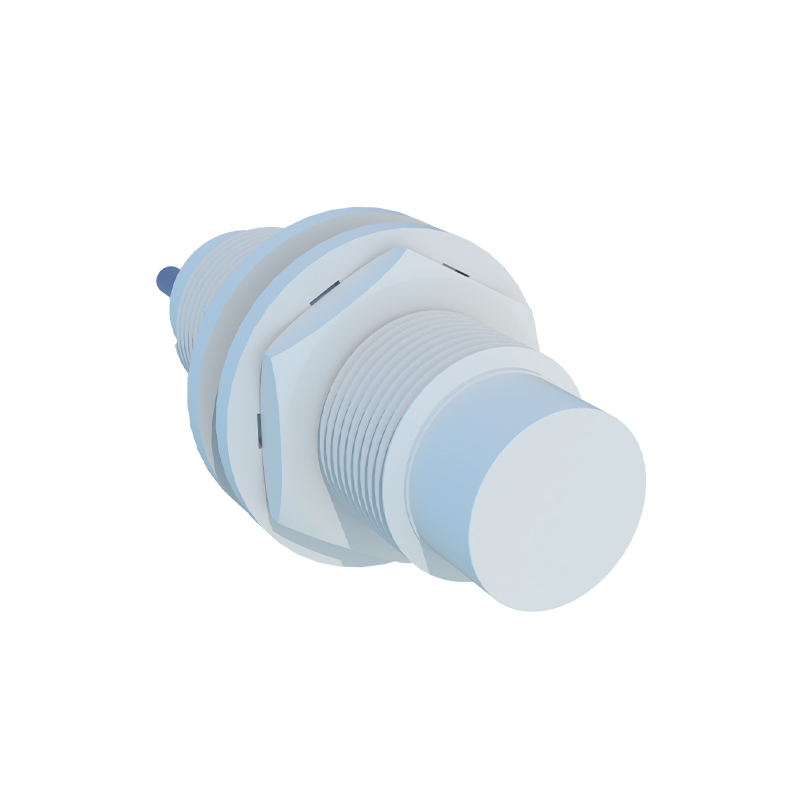
Supply chain resilience has become a focal point post-pandemic, with disruptions highlighting the need for diversified sourcing strategies. Many companies are now adopting dual-sourcing or regional supplier partnerships to mitigate risks. Additionally, the trend toward Industry 4.0 and IoT connectivity drives demand for smart sensors with embedded diagnostics and communication protocols. Suppliers that offer customization, such as tailored cable lengths or connector types, can provide significant value in reducing installation time and compatibility issues.
Cost considerations extend beyond unit price. Total cost of ownership (TCO) includes factors like maintenance intervals, compatibility with existing systems, and lead times. For high-volume projects, engaging suppliers early in the design phase can optimize sensor selection and avoid costly redesigns. Moreover, certifications (e.g., UL, CE, RoHS) are non-negotiable for regulatory compliance, particularly in medical or safety-critical applications.
Looking ahead, innovations in MEMS (Micro-Electro-Mechanical Systems) and nanotechnology are poised to further shrink sensor sizes while enhancing sensitivity. Suppliers investing in R&D for energy-efficient and wireless models will likely lead the next wave of adoption. As an engineer, staying informed about these trends and maintaining strong relationships with trusted suppliers ensures access to cutting-edge solutions that drive efficiency and innovation in your designs.