In the demanding environments of mining and mineral processing, accurate and reliable particle size analysis is not merely a quality control metric; it is a fundamental parameter that dictates efficiency, recovery rates, and overall profitability. Traditional methods for analyzing slurry particle size distribution (PSD), such as manual sampling followed by laboratory-based sieving or sedimentation, are inherently offline, time-consuming, and prone to sampling errors. This lag between process and measurement creates a significant blind spot for process control. The advent of the Slurry Laser Particle Size Sensor represents a transformative leap, enabling real-time, in-line monitoring that empowers operators to optimize their circuits dynamically.
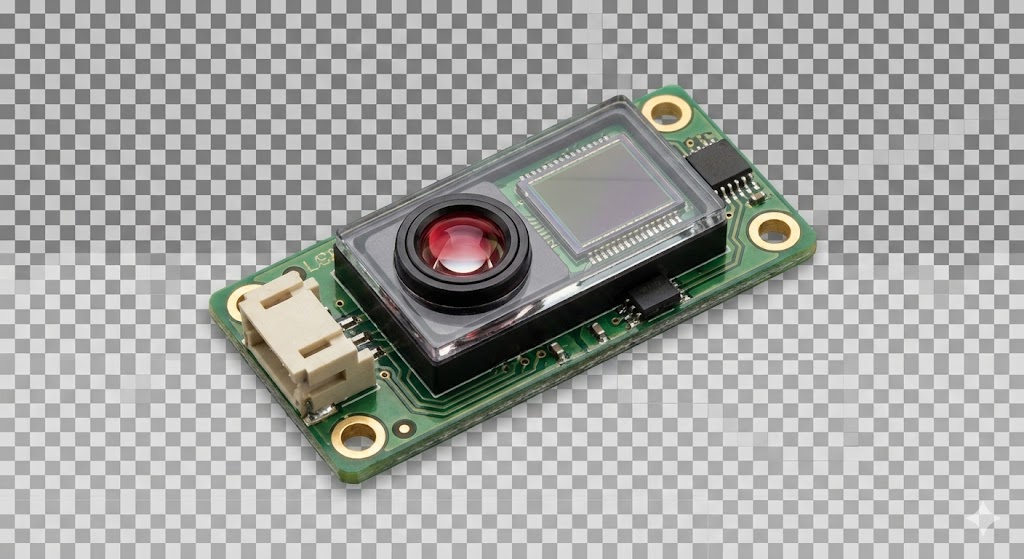
The core technology behind a slurry laser particle size sensor is based on the principles of laser diffraction, also known as static light scattering. A highly collimated laser beam is directed through a sample cell where the representative slurry stream flows. As the laser light encounters particles within the slurry, the light is scattered at angles inversely proportional to the particle size: larger particles scatter light at small angles, while smaller particles scatter light at larger angles. A specialized multi-element photodetector array, typically arranged in a concentric pattern, precisely measures the intensity of this scattered light across a wide range of angles. Using sophisticated algorithms based on Mie or Fraunhofer scattering theories, the sensor's onboard processor converts this angular light intensity data into a full particle size distribution. The result is a continuous output of key parameters such as D10, D50, D90, and specific surface area, updated within seconds.
The implementation of these sensors in a mining context offers profound advantages. Firstly, they provide real-time process control. By continuously monitoring the PSD of grinding mill discharge, for example, operators can automatically adjust mill feed rate, water addition, or cyclone operations to maintain the optimal size for downstream flotation or leaching processes. This prevents over-grinding, which wastes energy and creates problematic slimes, and under-grinding, which reduces mineral liberation and recovery. Secondly, they ensure representative sampling. Unlike grab samples that may not be homogenous, an in-line sensor analyzes the entire slurry stream, providing a true picture of the process. Thirdly, they contribute to significant operational savings. Optimized grinding directly reduces energy consumption, which is the single largest cost in comminution. Improved recovery rates directly increase revenue. Furthermore, the reduction in manual laboratory work frees personnel for other tasks and minimizes exposure to hazardous sampling points.
Modern slurry laser sensors are engineered to withstand the harsh conditions of mineral processing plants. Key design features include robust, wear-resistant construction often with tungsten carbide or ceramic linings in the flow cell to handle abrasive slurries. They are designed for easy integration into existing pipelines with bypass or in-line mounting options. Advanced models incorporate automatic cleaning systems using ultrasonic transducers or air-blast mechanisms to prevent particle build-up and window coating, which is critical for maintaining measurement accuracy. Calibration is typically straightforward, often verified using certified reference materials, and modern interfaces allow for seamless integration with plant Distributed Control Systems (DCS) or Supervisory Control and Data Acquisition (SCADA) systems, enabling data logging, trending, and automated control loops.
The applications extend across the mineral processing value chain. Beyond grinding circuit control, these sensors are invaluable in flotation circuits, where particle size significantly impacts bubble-particle attachment and froth stability. Monitoring the feed to flotation cells allows for adjustments in reagent dosing or cell operation. In dewatering processes such as thickening and filtration, the PSD of the underflow is a critical indicator of performance; finer particles can lead to poor compaction and high moisture content in filter cakes. Real-time data allows for proactive adjustments to flocculant dosing or rake speed. In tailings management, monitoring the particle size of tailings streams is essential for predicting settling behavior and ensuring the structural integrity of tailings storage facilities.
While the technology is powerful, successful deployment requires careful consideration. Proper installation is paramount to ensure a representative, air-bubble-free, and well-mixed sample is presented to the sensor. The selection of the appropriate optical model (Mie theory requires knowledge of the particle's refractive index) is crucial for accuracy, especially for sub-micron particles or those with complex optical properties. Regular maintenance, though minimal compared to offline labs, is necessary to ensure optical windows remain clean and calibration remains valid.
In conclusion, the slurry laser particle size sensor has evolved from a novel instrument to a cornerstone of modern, data-driven mineral processing. By transforming particle size from a periodic laboratory result into a live process variable, it closes the control loop on some of the most energy-intensive and value-critical operations in mining. The benefits—enhanced recovery, reduced energy consumption, lower operational costs, and improved product consistency—deliver a compelling return on investment. As the industry continues to embrace automation and Industry 4.0 principles, the role of robust, in-line analytical sensors like the laser particle size analyzer will only become more central to achieving operational excellence and sustainable resource utilization.