In the rapidly evolving landscape of industrial automation and smart device integration, the demand for smaller, more efficient, and highly reliable sensing solutions has never been greater. Among these critical components, ultra-compact proximity sensors have emerged as a pivotal technology, enabling precise non-contact detection in spaces where traditional sensors simply cannot fit. This article delves into the fundamental principles, key technologies, diverse applications, and selection criteria for these miniature marvels.
At its core, an ultra-compact proximity sensor is a device designed to detect the presence or absence of an object within a very short range without any physical contact. The defining characteristic is its exceptionally small form factor, often with housing dimensions measuring just a few millimeters (e.g., M3, M4, or M5 threaded barrels, or cube-style sensors as small as 4mm x 4mm x 1.5mm). Despite their tiny size, they pack sophisticated sensing capabilities. The most common operating principles include:
Inductive Sensing: Primarily used for detecting metallic objects. The sensor generates an electromagnetic field. When a metal target enters this field, it induces eddy currents, causing a change in the field's oscillation amplitude, which the sensor's circuitry detects. These are ideal for harsh industrial environments.
Capacitive Sensing: Capable of detecting both metallic and non-metallic objects (liquids, plastics, wood, etc.). They work by measuring changes in capacitance between the sensor's electrode and the target object. This makes them versatile for various material detection tasks.
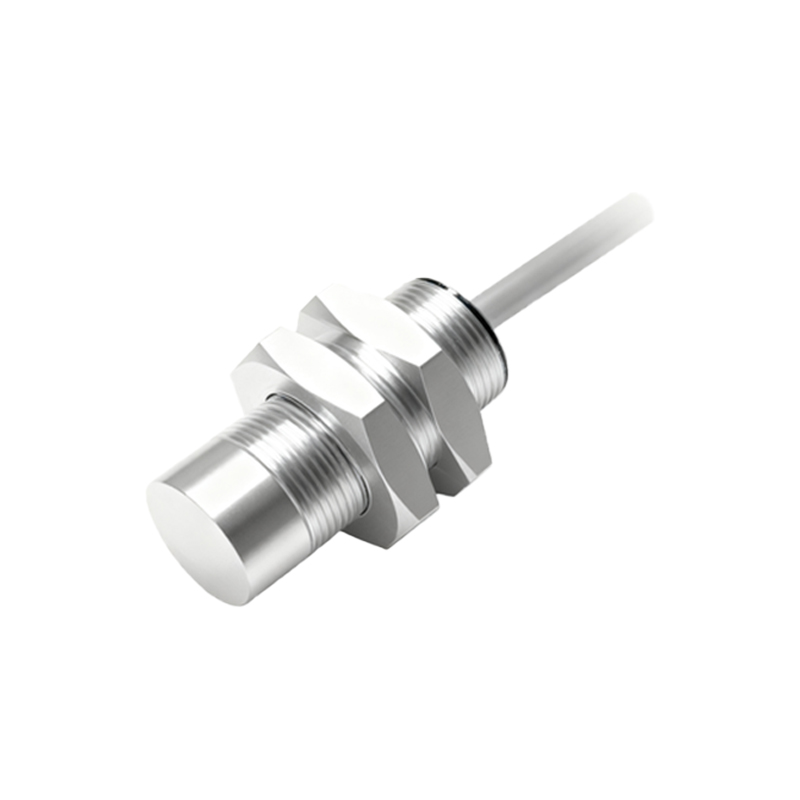
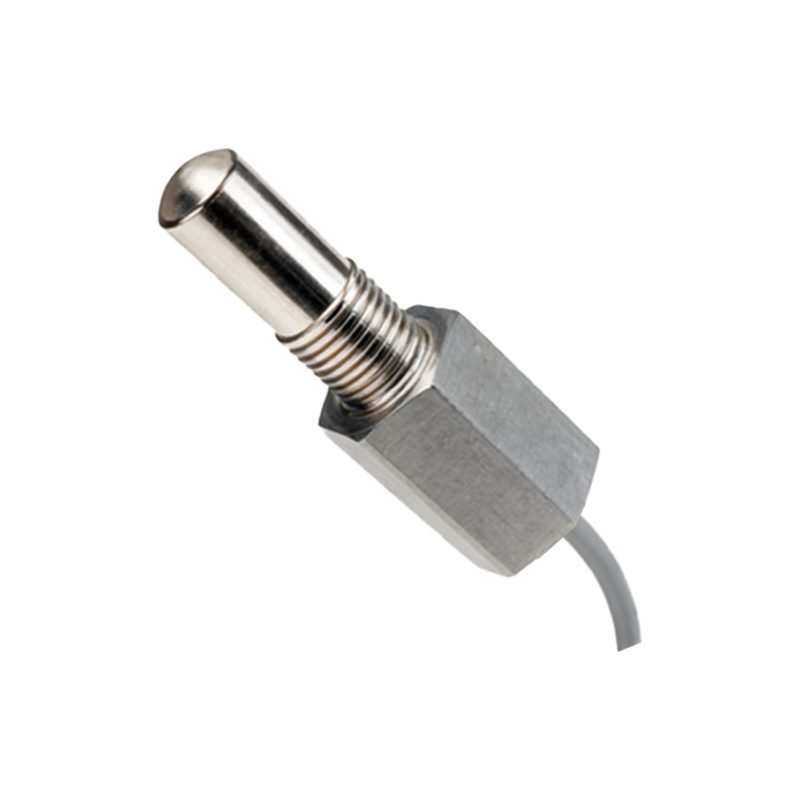
Magnetic Sensing (Reed or Hall Effect): Used specifically for detecting permanent magnets. They are often employed in conjunction with moving parts that have a magnet embedded, offering high reliability in simple position detection.
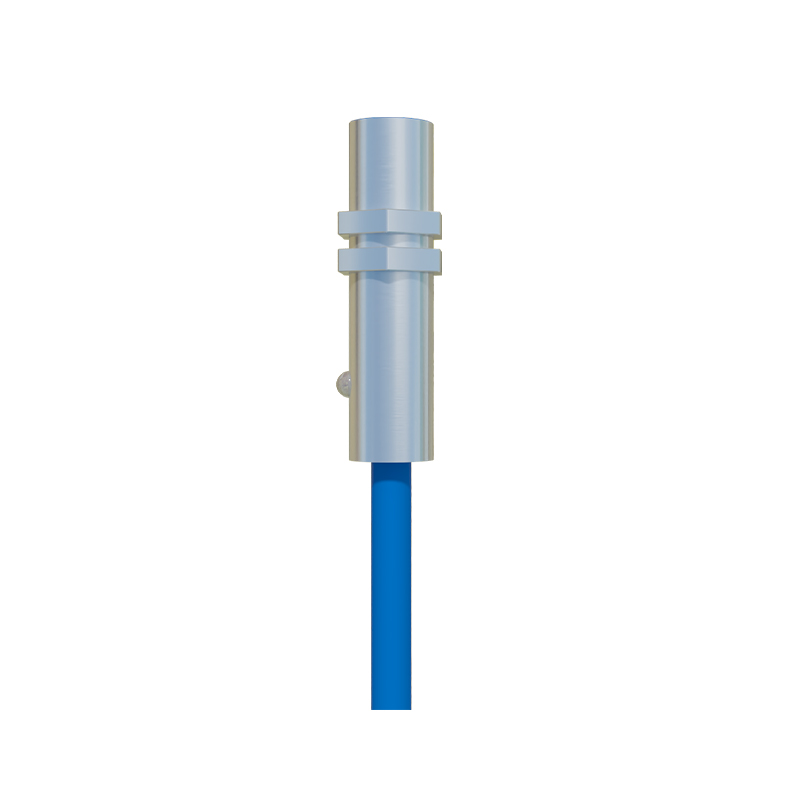
The miniaturization of these sensors is driven by advancements in microelectronics, specialized ASICs (Application-Specific Integrated Circuits), and innovative packaging techniques. Modern ultra-compact sensors integrate the oscillator, amplifier, signal processor, and output switching circuit into a single, tiny chip or module. This integration is key to achieving high performance in a minuscule package. Furthermore, the use of robust materials like PBT or stainless steel housings ensures they can withstand industrial challenges such as coolant splashes, metal chips, and mechanical vibrations.
The applications for ultra-compact proximity sensors are vast and growing. In industrial automation, they are indispensable for:
Miniature Robotics and Cobots: Providing end-of-arm tooling sensing, gripper position feedback, and safety interlocks in collaborative workspaces.
Semiconductor and Electronics Manufacturing: Enabling precise component placement verification on densely packed PCBs and inside wafer handling equipment.
Medical Devices: Used in portable diagnostic equipment, drug delivery systems, and surgical tools where space is at an absolute premium and reliability is critical.
Consumer Electronics: Integrating into smartphones (e.g., screen on/off detection during calls), wearables, and compact home appliances for smart functionality.
Packaging Machinery: Monitoring tiny parts, verifying cap presence on small vials, or detecting labels on high-speed production lines.
Selecting the right ultra-compact proximity sensor requires careful consideration of several parameters beyond just size:
1. Sensing Principle: Choose inductive for metals, capacitive for diverse materials, or magnetic for magnet-based detection.
2. Sensing Distance: The rated operating distance (Sn) is typically very short (0.5mm to 2mm is common for ultra-compact models). Ensure the target will reliably enter this zone.
3. Output Type: Common outputs include NPN/PNP transistors (sinking/sourcing), or analog (0-10V, 4-20mA). Choose based on your controller's input card requirements.
4. Supply Voltage: Match the sensor's operating voltage range (e.g., 10-30V DC, or 5V DC for logic-level applications) with your system's power supply.
5. Environmental Ratings: Look for ingress protection ratings like IP67 or IP68 for dust and water resistance, and temperature ratings suitable for the operating environment.
6. Mounting and Connection: Consider threaded barrel, flat-pack, or slot-style mounting, and the type of connector (pre-wired cable, micro-connector).
In conclusion, ultra-compact proximity sensors represent a significant engineering achievement, packing high-performance sensing into footprints that were once thought impossible. They are the enablers of next-generation miniaturized and intelligent systems across industries. By understanding their technology and carefully matching specifications to application needs, engineers and designers can leverage these powerful components to enhance precision, reliability, and functionality in the most space-constrained environments. As trends toward miniaturization and Industry 4.0 continue, the role of these sensors will only