In the realm of industrial automation and electrical control systems, proximity switch sensors stand as fundamental components for non-contact detection. Among the various configurations, the three-wire proximity sensor is arguably the most prevalent and versatile design encountered by electrical engineers and technicians. This article delves into the operational principles, wiring methodologies, key characteristics, and practical application considerations of three-wire proximity switches, providing a thorough technical overview for industry professionals.
At its core, a proximity switch is a sensor that detects the presence or absence of an object without physical contact. It achieves this by emitting an electromagnetic field or a beam of electromagnetic radiation (infrared, for instance) and looking for changes in the field or return signal. Three-wire sensors are predominantly solid-state devices, commonly utilizing inductive, capacitive, or photoelectric sensing principles. Inductive sensors detect metallic objects, capacitive sensors detect both metallic and non-metallic materials, and photoelectric sensors use light beams.
The defining feature, as the name suggests, is the three connection wires. This design elegantly separates the power supply and the output signal, offering significant advantages over two-wire models. The standard wiring configuration is as follows:
1. Brown Wire (or L+): This is the positive supply voltage wire. It connects to the positive terminal of the DC power source. Common operating voltages are 10-30V DC, with 24V DC being an industry standard.
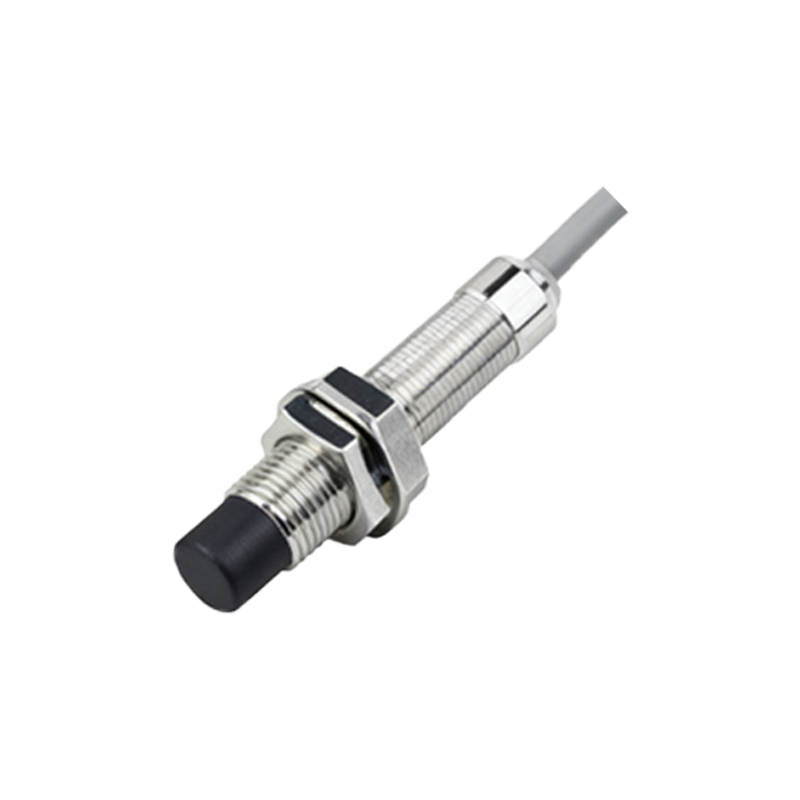
2. Blue Wire (or L- or N): This is the negative supply voltage wire, or the 0V reference. It connects to the negative terminal (common) of the DC power source.
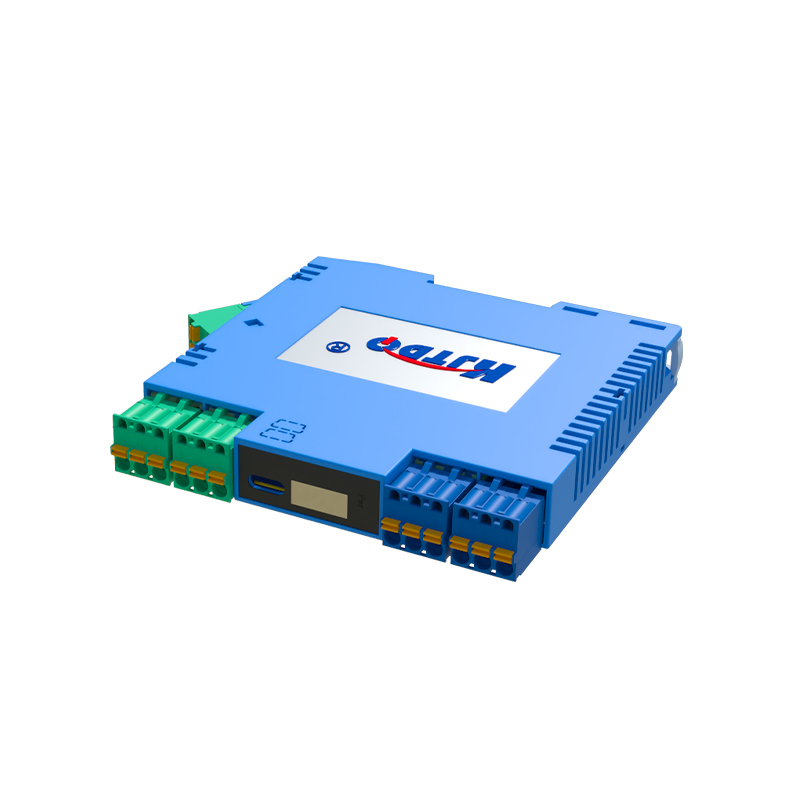
3. Black Wire (or OUT): This is the output signal wire. The state of this wire changes based on the sensor's detection status.
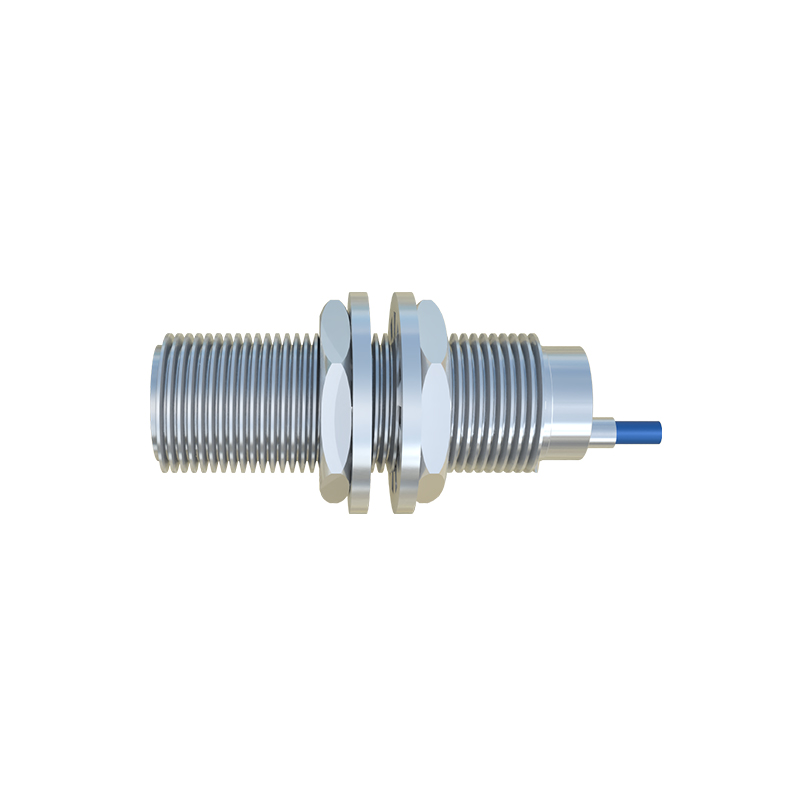
The output from the black wire can be configured in two primary types: PNP (Sourcing) and NPN (Sinking). This is a critical distinction for proper integration into control systems.
PNP (Sourcing) Output: In a PNP sensor, when a target is detected, the black output wire switches to connect internally to the positive supply (brown wire). It "sources" positive current to the load (e.g., a PLC input, relay coil). The load is connected between the black wire and the negative supply (blue wire).
NPN (Sinking) Output: In an NPN sensor, when a target is detected, the black output wire switches to connect internally to the negative supply (blue wire). It "sinks" current from the load to ground. The load is connected between the positive supply (brown wire) and the black wire.
Engineers must carefully match the sensor's output type (PNP/NPN) with the input requirements of the programmable logic controller (PLC) or other control device to ensure proper circuit operation. Using the wrong type can lead to malfunction or lack of signal.
The advantages of three-wire proximity sensors are substantial. They offer very low leakage current (often negligible), which prevents false triggering in sensitive control circuits—a common issue with two-wire sensors. They provide a stable, clean switching signal with minimal voltage drop across the sensor itself, ensuring the full supply voltage is available for the load. Furthermore, they typically have faster response times and can handle higher switching frequencies, which is crucial in high-speed automation applications.
When selecting and applying a three-wire proximity sensor, several technical parameters demand attention:
Sensing Distance: The nominal range at which the sensor can reliably detect a standard target. Always consider reduction factors for different materials.
Output Configuration: PNP normally open (NO), PNP normally closed (NC), NPN NO, or NPN NC.
Switching Capacity: The maximum current the output can handle, which must be compatible with the connected load.
Hysteresis: The difference between the switch-on and switch-off points, which prevents chatter when a target is at the edge of the sensing range.
Environmental Ratings: Ingress Protection (IP) rating for dust and water resistance, temperature range, and resistance to chemicals or welding spatter are vital for reliability in harsh industrial environments.
Installation is straightforward but requires precision. Engineers must ensure proper mounting, maintaining adequate clearance around the sensing face (as specified by the manufacturer) to avoid false triggers from the mounting bracket or surrounding metal. Correct alignment with the target object is essential for optimal performance. Shielding is another consideration; shielded (flush-mountable) sensors can be embedded in metal, while unshielded (non-flush) sensors offer longer sensing ranges but require a metal-free zone around them.
In conclusion, the three-wire proximity switch sensor is a robust, reliable, and high-performance solution for object