In the intricate world of industrial automation, where precision, safety, and efficiency are paramount, multifunctional proximity sensors stand as critical, yet often overlooked, components. These sophisticated devices are the silent sentinels that detect the presence, absence, or position of an object without any physical contact. Their evolution from simple on/off switches to intelligent, multifunctional units has fundamentally transformed manufacturing processes, material handling, and machine safety.
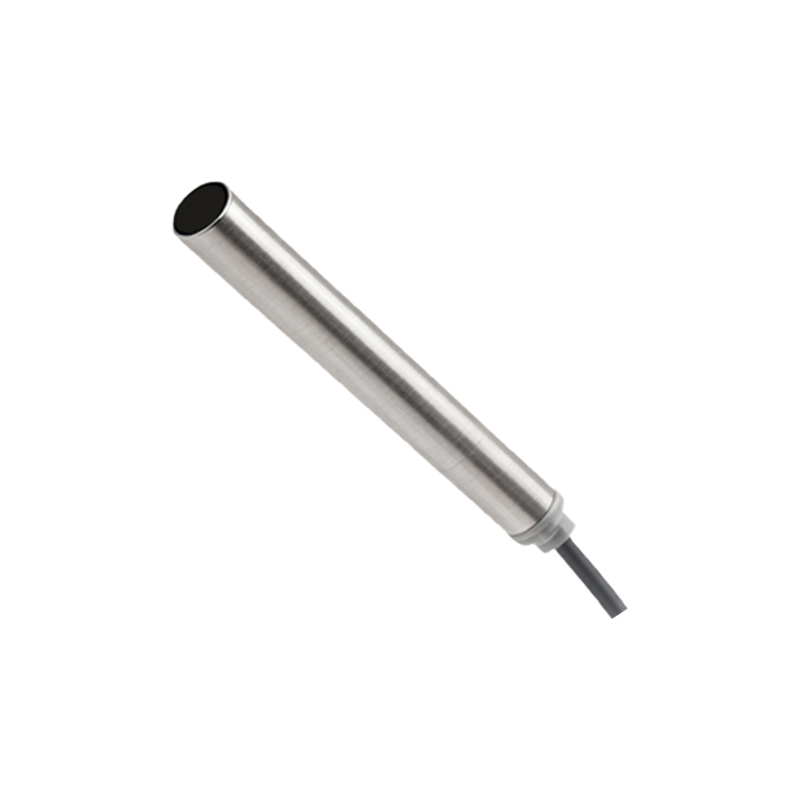
At their core, proximity sensors operate on various principles, including inductive, capacitive, ultrasonic, and photoelectric technologies. Inductive sensors, for instance, detect metallic objects through an electromagnetic field, making them ideal for harsh factory environments. Capacitive sensors can detect both metallic and non-metallic materials, such as liquids, plastics, or wood, by sensing changes in capacitance. This versatility is the cornerstone of their "multifunctional" label. A single modern sensor can now perform tasks that previously required multiple dedicated devices. Beyond mere detection, advanced models integrate capabilities like precise distance measurement, analog output, temperature monitoring, and even built-in IO-Link communication for seamless data exchange with control systems.
The applications are vast and deeply integrated into daily operations. On a high-speed packaging line, a multifunctional capacitive sensor ensures bottles are filled to the exact level while simultaneously verifying the presence of a plastic cap. In automated guided vehicles (AGVs), an array of ultrasonic and photoelectric sensors provides not only collision avoidance but also precise docking and navigation by measuring distances to surrounding objects. Within robotic welding cells, inductive sensors with advanced diagnostics confirm the correct positioning of metal components before the weld cycle begins, preventing costly errors and downtime. Furthermore, their role in safety is indispensable. Safety-rated versions are integral to light curtains and area guarding systems, instantly halting machinery if a worker breaches a protected zone, thereby preventing accidents.
The shift towards Industry 4.0 and the Industrial Internet of Things (IIoT) has further amplified the importance of these sensors. Modern multifunctional proximity sensors are no longer just data sources; they are intelligent nodes in a networked ecosystem. Equipped with digital communication protocols like IO-Link, they transmit rich diagnostic information—such as operating temperature, signal strength, and device health—to higher-level controllers or cloud platforms. This enables predictive maintenance, where potential failures are identified before they cause production stoppages. An engineer can monitor sensor performance from a dashboard, receiving alerts when a sensing window is becoming dirty or when operating parameters drift, allowing for scheduled cleaning or calibration rather than emergency repairs.
Selecting the right multifunctional proximity sensor requires careful consideration of several factors. The sensing range, target material, environmental conditions (like exposure to dust, moisture, or extreme temperatures), and required output type (digital, analog, or networked) are all crucial. For example, a washdown area in a food processing plant demands a sensor with a high IP rating (e.g., IP69K) to withstand high-pressure cleaning, while an application involving delicate glass objects might necessitate a sensor with a very short, precise sensing range to avoid physical contact.
In conclusion, multifunctional proximity sensors are far more than simple switches. They are versatile, intelligent enablers of automation, driving efficiency, ensuring quality control, and safeguarding personnel. As industries continue to pursue greater connectivity, flexibility, and intelligence, the demand for these advanced sensing solutions will only grow. Their ability to consolidate functions, provide actionable data, and operate reliably in demanding conditions solidifies their status as indispensable assets in the modern industrial landscape, quietly ensuring that complex automated systems perform flawlessly around the clock.