In modern industrial automation, proximity sensors play a critical role in detecting the presence or absence of objects without physical contact. These sensors are widely used in automotive, packaging, material handling, and robotics applications. However, during storage, transportation, and assembly processes, the sensitive sensing face of proximity sensors is vulnerable to contamination from dust, moisture, and debris. To address this challenge, the implementation of an automated dust cap assembly system has become a pivotal advancement in manufacturing. This article delves into the technical aspects, benefits, and implementation strategies for automated dust cap assembly in proximity sensor production.
The primary function of a dust cap is to protect the sensor's lens or sensing surface from environmental pollutants until the sensor is installed in its final application. Traditionally, dust caps were manually applied, which introduced several inefficiencies. Manual assembly is time-consuming, prone to human error, and inconsistent in application pressure and alignment. These inconsistencies can lead to caps being too loose, falling off prematurely, or too tight, potentially damaging the sensor housing. Automated assembly systems eliminate these issues by ensuring precise, repeatable, and high-speed cap placement.
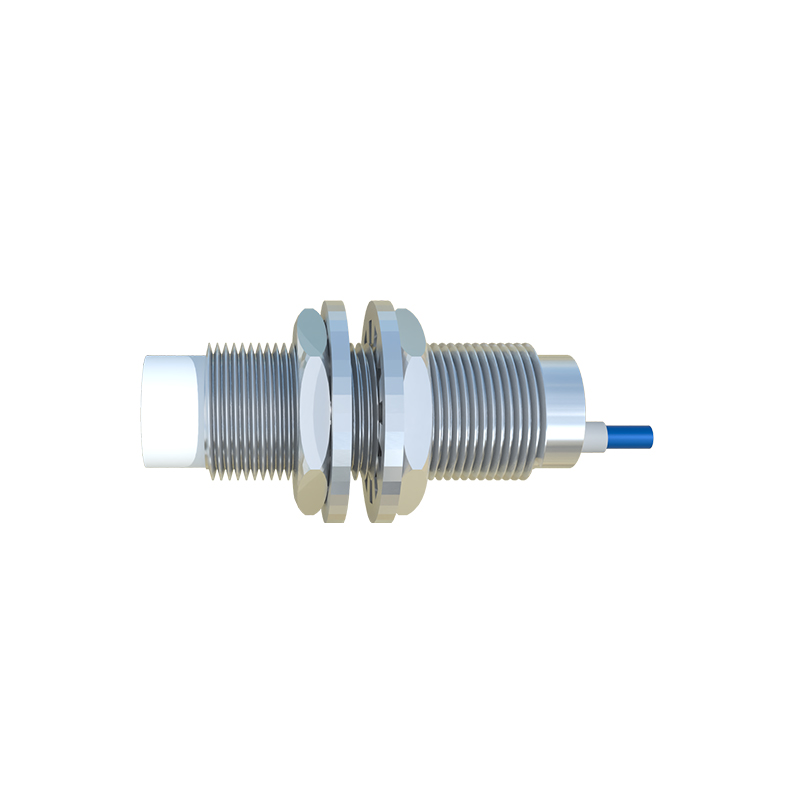
An automated dust cap assembly system typically integrates several key components: a vibratory bowl feeder for cap orientation, a robotic arm or pneumatic pick-and-place unit, a vision inspection system, and a conveyor belt for sensor transportation. The process begins with proximity sensors moving along the conveyor to a designated assembly station. Meanwhile, dust caps are loaded into the vibratory bowl feeder, which aligns them correctly for pickup. The robotic arm, equipped with a custom-designed gripper, retrieves a cap and positions it accurately over the sensor's sensing face. Force sensors or torque control mechanisms ensure the cap is applied with optimal pressure, securing it without causing stress cracks or deformation.
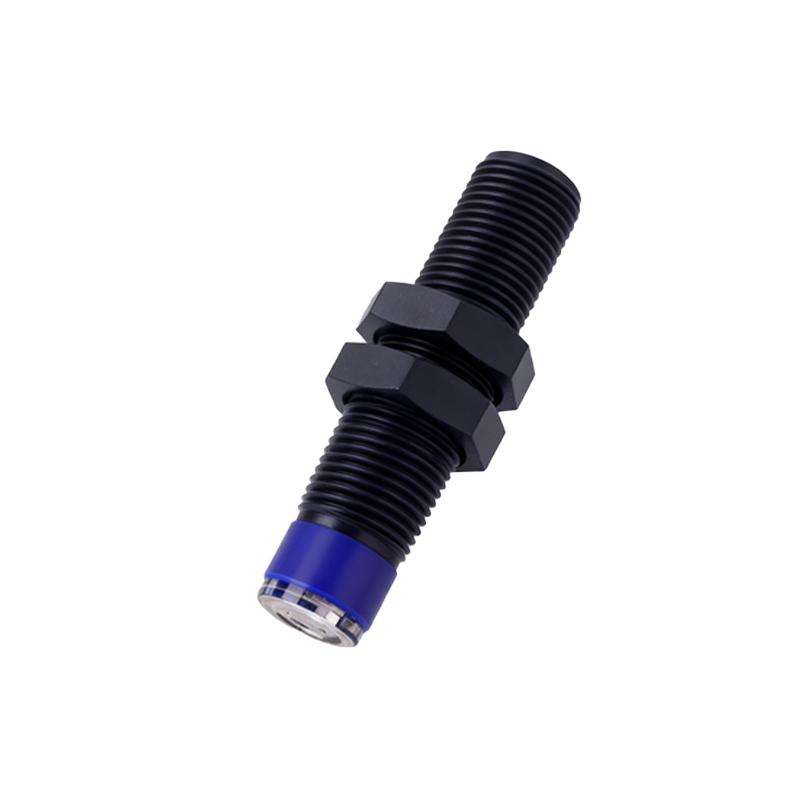
Vision inspection systems are crucial for quality assurance. They verify that each cap is present, properly seated, and free from defects such as cracks or contamination. If a cap is misaligned or missing, the system can reject the sensor for rework, preventing faulty products from proceeding down the line. This real-time inspection enhances overall product reliability and reduces waste. Additionally, automated systems can handle various cap sizes and sensor models with quick changeovers, making them adaptable to diverse production needs.
The benefits of automating dust cap assembly are substantial. First, it significantly increases production throughput. Automated systems can assemble caps at speeds exceeding 60 units per minute, far surpassing manual capabilities. This efficiency reduces labor costs and minimizes bottlenecks in the manufacturing workflow. Second, it improves product consistency and quality. Uniform cap application ensures that every sensor is equally protected, reducing the risk of field failures due to contamination. Third, automation enhances worker safety by reducing repetitive manual tasks, which can lead to ergonomic injuries.
From a technical perspective, implementing such a system requires careful planning. Engineers must consider the material properties of both the dust caps and sensor housings. Caps are often made from silicone, rubber, or thermoplastic elastomers, which require specific handling to avoid sticking or deformation. The gripper design must accommodate these materials without leaving marks or residues. Furthermore, the system should be integrated with the factory's Manufacturing Execution System (MES) for data tracking and process optimization. This integration allows for monitoring key performance indicators like cycle time, defect rates, and equipment uptime.
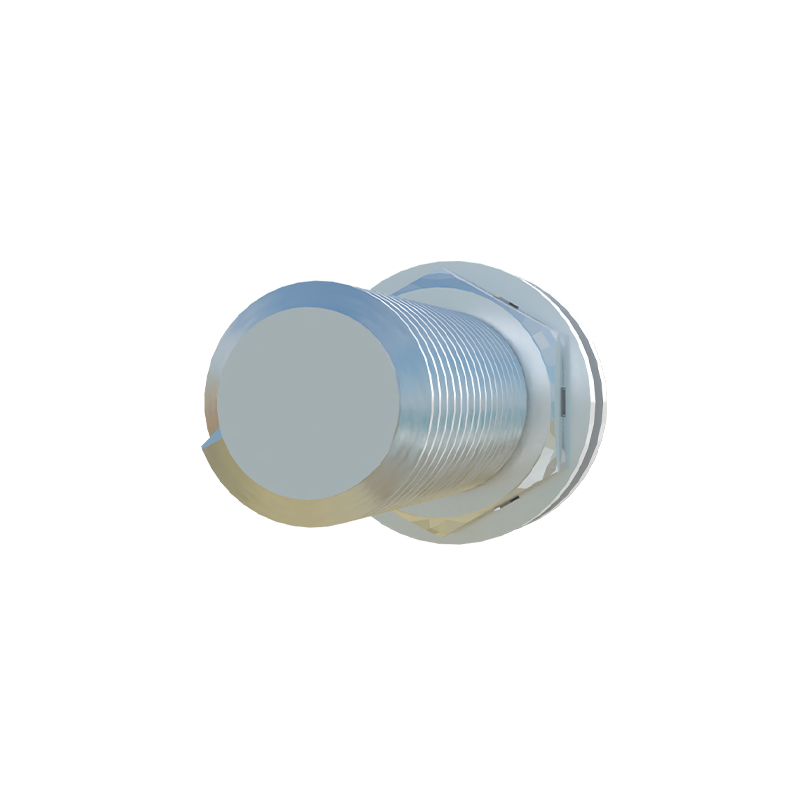
In terms of industry trends, the move toward Industry 4.0 and smart manufacturing further amplifies the value of automated dust cap assembly. IoT-enabled sensors on the assembly line can provide predictive maintenance alerts, reducing downtime. Machine learning algorithms can analyze inspection data to identify patterns and suggest process improvements. As proximity sensors become more sophisticated—with features like IO-Link communication and enhanced sensing ranges—their protection during manufacturing becomes even more critical to maintain performance specifications.
In conclusion, automated dust cap assembly for proximity sensors represents a smart investment for manufacturers aiming to boost efficiency, ensure quality, and adapt to evolving market demands. By leveraging robotics, vision systems, and precise force control, companies can achieve a seamless, reliable production process that safeguards sensor integrity from factory to end-use. This automation not only streamlines operations but also reinforces the durability and accuracy of proximity sensors in demanding industrial environments.