In the realm of industrial automation and control systems, proximity sensors play a pivotal role in enabling non-contact detection of objects. These devices are fundamental components in machinery, robotics, and assembly lines, ensuring precision, safety, and efficiency. A critical aspect of selecting the right sensor for an application lies in deciphering its model number. This alphanumeric code is not arbitrary; it encapsulates vital specifications and features that dictate the sensor's performance, compatibility, and suitability for specific environments.
A typical proximity sensor model number is structured to convey key parameters. Commonly, it includes information about the sensing technology employed. Inductive sensors, designated often by prefixes or codes like "IN" or specific series numbers, are used for detecting metallic objects. Capacitive sensors, possibly indicated by "CA" or similar, can detect both metallic and non-metallic materials, including liquids and plastics. Ultrasonic sensors, which use sound waves, might have "US" identifiers, while photoelectric sensors, utilizing light beams, could be marked with "PE" or "BEAM" references.
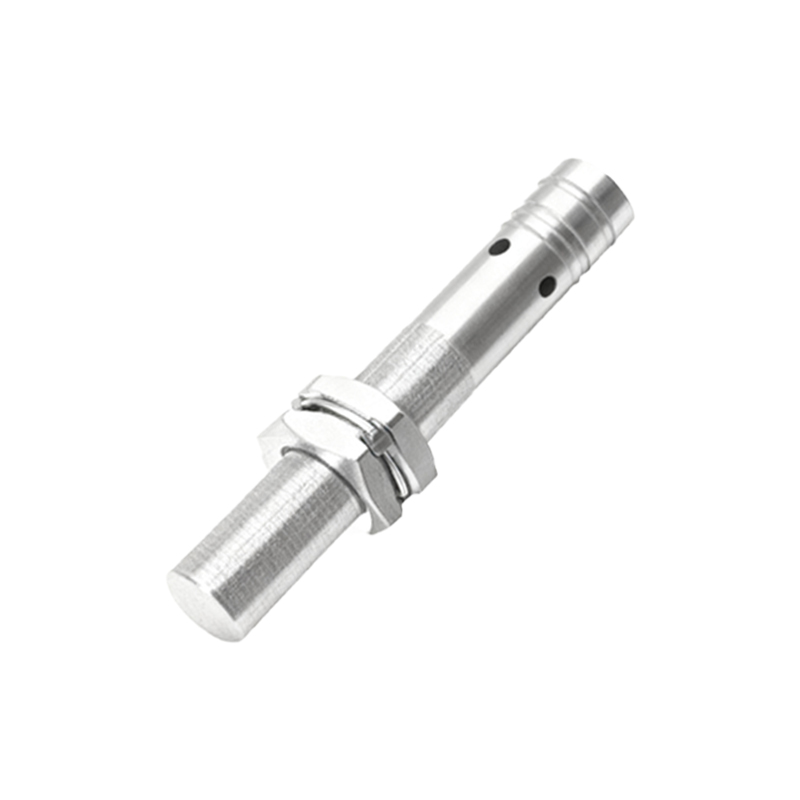
Following the technology indicator, the model number usually specifies the sensing distance. This is a crucial specification, typically given in millimeters. For instance, a model ending in "5" might indicate a 5mm range, while "20" could denote 20mm. This nominal sensing distance is defined for standard target materials and conditions, and engineers must consider factors like target material, size, and environmental interference when interpreting this value.
The electrical output type is another essential element encoded in the model. Common output configurations include NPN (sinking) and PNP (sourcing) transistor outputs, often signified by "N" or "P" in the code. Some models specify relay or analog current (4-20mA) or voltage (0-10V) outputs. The operating voltage range, such as 10-30V DC or 90-250V AC, is also frequently embedded within the model string.
Physical characteristics are equally important. The housing style—whether cylindrical (e.g., M8, M12, M18, M30 threaded barrels), rectangular, or block-style—is often implied by the series or explicitly stated. The material of the housing, such as nickel-plated brass, stainless steel, or plastic (PBT), indicates suitability for harsh environments, including those with coolants, oils, or washdown requirements. Connection methods, like pre-wired cables, quick-disconnect (M12 connectors), or terminal blocks, are also part of the model's identity.
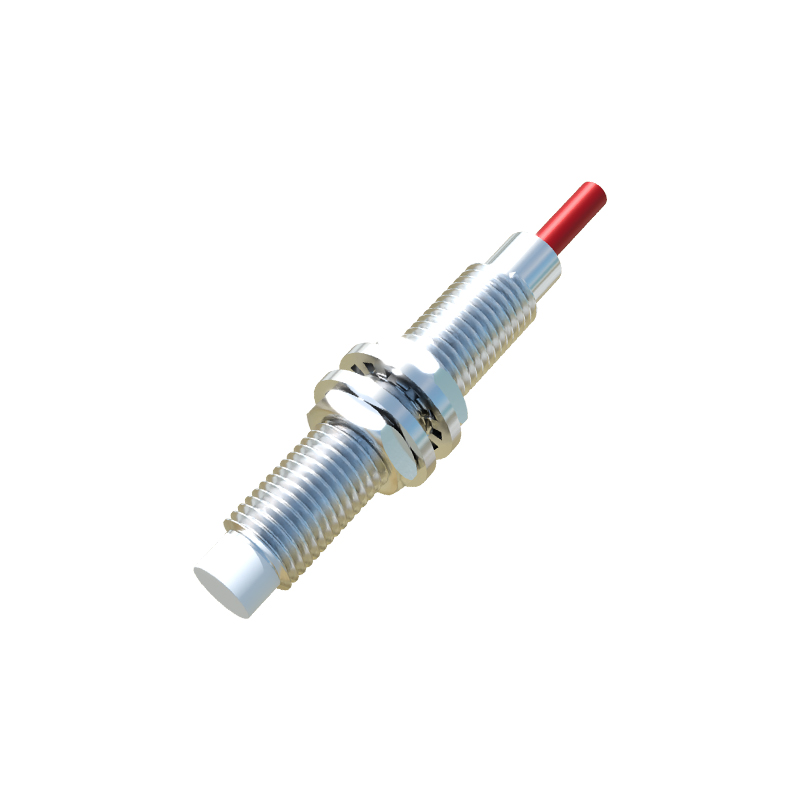
Additional features reflected in extended model numbers may include output function (NO normally open or NC normally closed), shielding type (shielded or unshielded), IP (Ingress Protection) rating for dust and water resistance, and specific approvals for industry standards (e.g., UL, CE, ATEX for hazardous areas). A model suffix like "IP67" confirms robust protection against dust and temporary immersion, which is vital for automotive or food processing applications.
Understanding these model details is paramount for their correct application. In automotive manufacturing, inductive sensors with stainless steel housings and high IP ratings are used on welding robots to detect metal parts reliably amidst sparks and debris. In packaging lines, capacitive sensors monitor levels of plastic granules in hoppers. On conveyor systems, photoelectric sensors count non-metallic boxes, while ultrasonic sensors manage precise liquid level control in tanks. Selecting a sensor with an insufficient sensing distance or the wrong output type can lead to system failures, downtime, and safety risks.
In conclusion, the model number of a proximity sensor is a concise technical datasheet. It guides engineers through the critical selection process, ensuring the sensor meets the electrical, mechanical, and environmental demands of the application. Mastery of interpreting these codes empowers professionals to build more reliable, efficient, and innovative automated systems, forming the invisible yet intelligent nervous system of modern industry. Always cross-reference the model number with the manufacturer's official datasheet for absolute specification confirmation before integration.