In the realm of modern automation and smart systems, the inductive switch stands as a pivotal innovation, seamlessly blending convenience with efficiency. Unlike traditional mechanical switches that require physical contact, an inductive switch operates on the principle of electromagnetic induction. It detects the presence or proximity of an object, typically a human hand or body part, and triggers a response without any direct touch. This fundamental shift from contact-based to contactless operation has profound implications across residential, commercial, and industrial landscapes.
The core mechanism involves an oscillator circuit that generates a high-frequency electromagnetic field. When a conductive object, such as a human body, enters this field, it causes eddy currents to form on the object's surface. These currents absorb energy from the oscillator, leading to a detectable change in the circuit's oscillation amplitude or frequency. This change is then processed by a sensing circuit, which sends a signal to activate or deactivate the connected load, be it a light, motor, or any other electrical device. This technology is often categorized under non-contact sensing, with capacitive sensing being a close relative, though inductive switches are particularly effective with metallic objects or through non-metallic barriers.
The advantages of implementing inductive switches are manifold. Foremost is enhanced hygiene. In environments like hospitals, laboratories, and public restrooms, the ability to operate faucets, soap dispensers, or lights without physical contact drastically reduces the spread of germs and pathogens, a concern that has gained paramount importance globally. Secondly, they offer remarkable durability. The absence of moving parts that can wear out from repeated use translates to a significantly longer operational lifespan compared to mechanical switches, reducing maintenance costs and frequency of replacements.
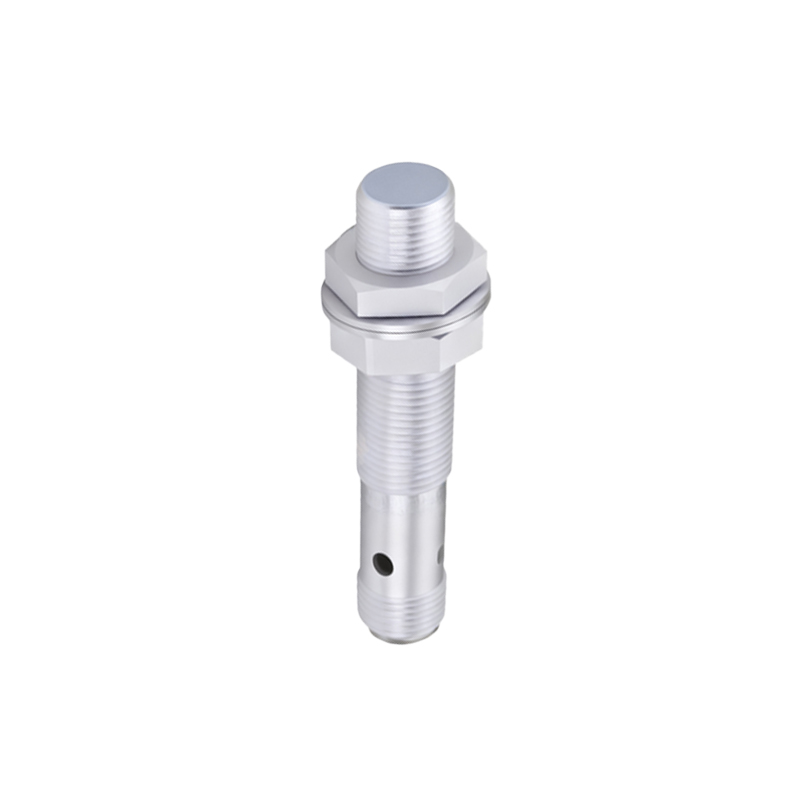
Furthermore, inductive switches contribute to energy conservation. Many are designed with intelligent features such as automatic shut-off or dimming capabilities. For instance, lights in storage rooms or corridors can be programmed to turn on only when motion is detected and switch off after a preset period of inactivity, eliminating energy waste. This aligns perfectly with green building standards and sustainability initiatives. In industrial settings, they provide a layer of safety by allowing machinery to be controlled from a slight distance, minimizing the risk of accidents in hazardous areas.
The applications are diverse and expanding. In smart homes, they are integrated into lighting systems, cabinet doors, and appliance controls, offering a sleek, minimalist aesthetic and intuitive operation. In public infrastructure, they are ubiquitous in automatic doors, hand dryers, and ticket gates. Automotive industries use them for interior lighting and trunk opening systems. Industrial automation relies heavily on inductive proximity sensors for precise object detection, positioning, and counting on assembly lines, ensuring robust and reliable performance in demanding conditions.
Despite their benefits, selecting and installing inductive switches requires consideration. Factors such as sensing range, response time, environmental conditions (like temperature, humidity, and potential interference from other electromagnetic sources), and the material of the target object must be evaluated. Proper shielding and calibration are essential to prevent false triggers from unintended objects or environmental noise.
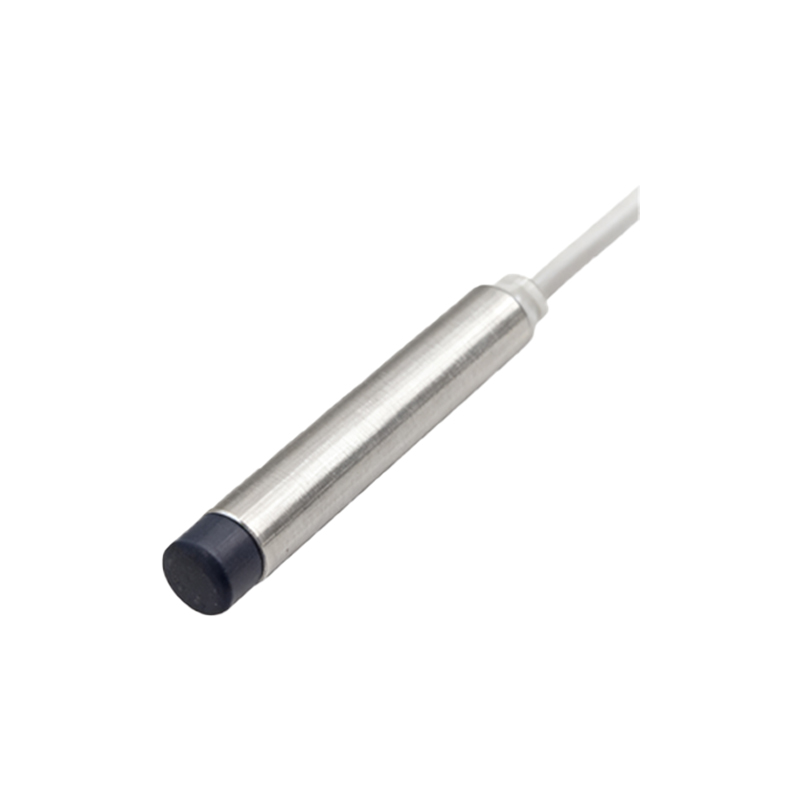
Looking ahead, the integration of inductive switch technology with the Internet of Things (IoT) and artificial intelligence is set to unlock even greater potential. Imagine a lighting system that not only turns on upon your approach but also adjusts its brightness and color temperature based on the time of day, your personal preferences, and ambient conditions—all learned autonomously. Such convergence will drive the next wave of intelligent, responsive, and energy-efficient environments.
In conclusion, the inductive switch is far more than a simple replacement for a traditional button. It represents a fundamental step towards creating more interactive, sanitary, durable, and energy-conscious spaces. As technology continues to evolve, its role as an invisible yet indispensable facilitator of automation and convenience will only become more pronounced, quietly shaping our daily interactions with the world around us.