Proximity sensors have become an indispensable component in the modern technological landscape, quietly enabling functionality across a vast array of devices and industrial systems. Their core advantage lies in their ability to detect the presence or absence of an object within a specific range without any physical contact. This non-contact detection principle unlocks a multitude of benefits that drive efficiency, safety, and innovation.
One of the most significant advantages is enhanced reliability and longevity. Since there is no mechanical contact between the sensor and the target object, there is no wear and tear. This eliminates issues like friction, mechanical fatigue, and physical degradation that plague limit switches and other contact-based methods. Consequently, proximity sensors offer exceptionally long operational lifespans and require minimal maintenance, leading to reduced downtime and lower total cost of ownership in industrial settings. They perform consistently in demanding environments where dust, oil, or vibrations might cause other sensors to fail.
Speed and precision form another critical benefit. These sensors can detect objects at very high speeds, responding in milliseconds. This capability is crucial for high-speed automation lines, robotics, and packaging machinery where rapid and accurate object counting, positioning, or sorting is essential. Unlike optical sensors, many inductive or capacitive proximity sensors are unaffected by target surface conditions like color, transparency, or reflectivity, providing stable detection regardless of environmental lighting changes. This ensures consistent performance in applications ranging from detecting metallic parts on a conveyor to liquid levels in opaque tanks.
The versatility of proximity sensors is remarkable. Various types cater to different materials and applications. Inductive sensors detect metallic objects, making them perfect for machine automation. Capacitive sensors can detect both metallic and non-metallic materials, including liquids, powders, and plastics, useful in food processing or chemical industries. Ultrasonic sensors use sound waves to detect objects over longer distances and are effective even with transparent materials. This adaptability allows engineers to select the optimal sensor for virtually any detection challenge.
Safety is profoundly improved through their use. In industrial safety systems, proximity sensors act as non-contact safety interlocks on machine guards, ensuring equipment only operates when protective doors are securely closed. They enable touchless operation of public amenities like faucets, soap dispensers, and hand dryers, promoting hygiene by reducing surface contact. In the automotive sector, they are key to parking assistance systems, alerting drivers to nearby obstacles and preventing collisions.
Furthermore, proximity sensors enable the miniaturization and smart features of consumer electronics. The simple act of a smartphone screen turning off when held to the ear during a call is managed by a proximity sensor, saving battery life. They facilitate features like automatic screen wake-up, gesture recognition, and lid detection in laptops and tablets. This seamless integration enhances user experience by making device interaction more intuitive and power-efficient.
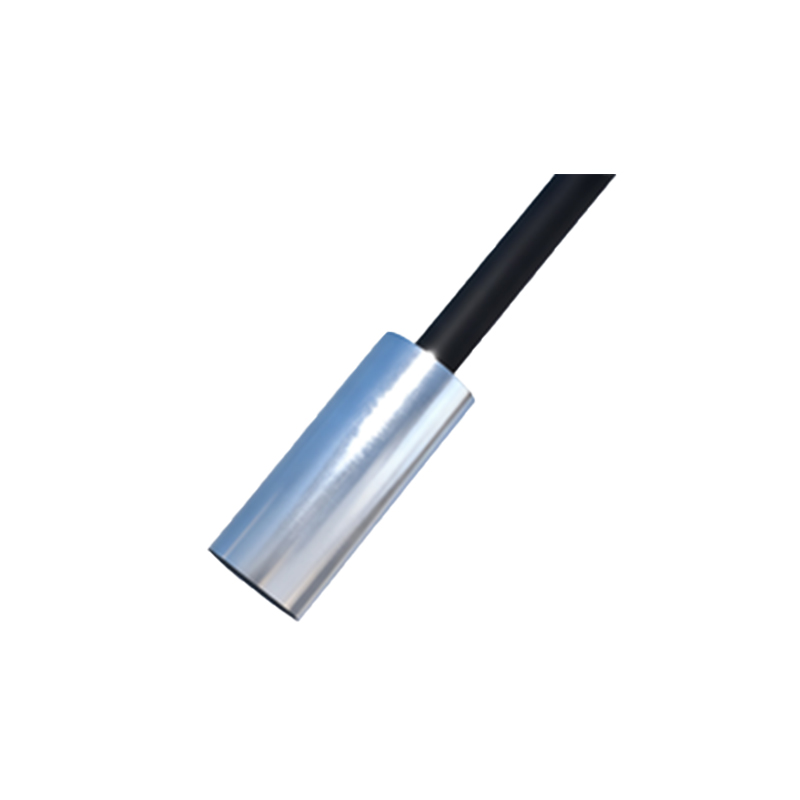
Finally, their design allows for easy integration into complex systems. Modern proximity sensors come in compact, rugged housings suitable for tight spaces and harsh conditions. Many offer programmable outputs and diagnostics, simplifying setup and troubleshooting. Their digital nature makes them a perfect fit for Industry 4.0 and IoT frameworks, providing valuable data for predictive maintenance and process optimization.
In summary, the advantages of proximity sensors—non-contact operation, reliability, high speed, versatility, safety enhancement, and enabling smart features—make them a foundational technology. They bridge the physical and digital worlds, providing a simple, robust solution for detection tasks that is critical for automation, innovation, and daily convenience.