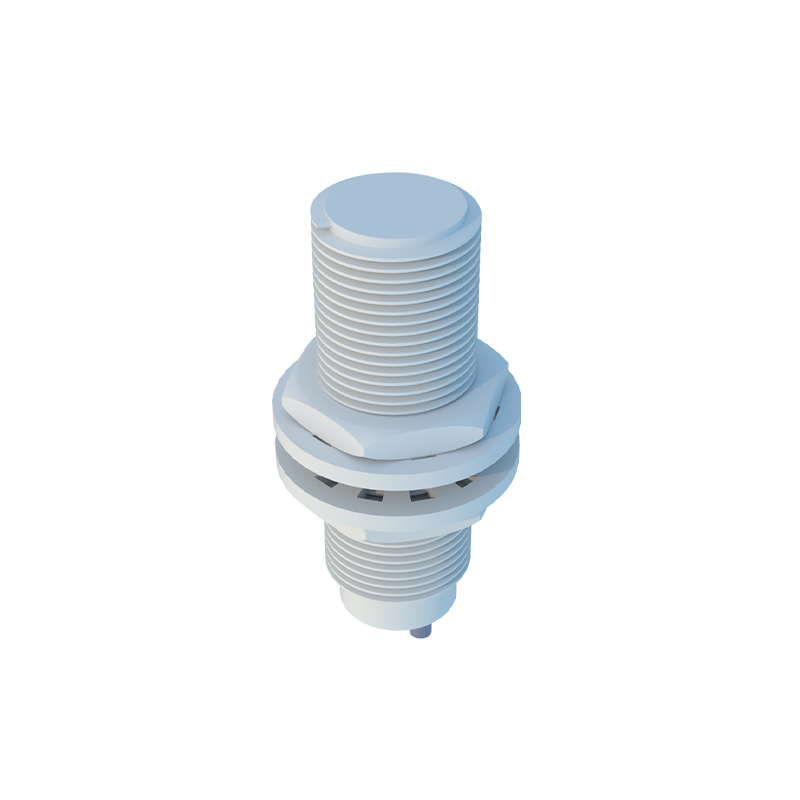
In the rapidly evolving landscape of new energy systems—spanning electric vehicles (EVs), renewable energy generation, and smart grid infrastructure—proximity sensors play a critical role in ensuring safety, efficiency, and reliability. These sensors detect the presence or absence of objects without physical contact, leveraging electromagnetic fields, capacitive coupling, or ultrasonic waves. The architectural design of a proximity sensor tailored for new energy applications must address unique challenges such as high-voltage environments, electromagnetic interference (EMI), extreme temperatures, and the demand for minimal power consumption.
A typical proximity sensor structure comprises several key components: the sensing element, oscillator circuit, signal conditioning unit, output stage, and housing. The sensing element, often a coil or electrode, generates an electromagnetic or electrostatic field. In inductive proximity sensors—commonly used in EV motor assemblies and battery management systems—a coil connected to an oscillator produces a high-frequency magnetic field. When a metallic target enters this field, eddy currents are induced, altering the oscillation amplitude. This change is detected by the threshold circuit, triggering the output switch. For capacitive variants, employed in liquid level detection within energy storage systems, the sensor electrode and target form a capacitor; changes in capacitance due to proximity are converted into a measurable signal.
The oscillator circuit, typically a Hartley or Colpitts configuration, sustains high-frequency oscillations (ranging from 100 kHz to 1 MHz) to drive the sensing element. In new energy settings, this circuit must be stabilized against voltage fluctuations common in solar inverters or EV charging stations. Advanced designs incorporate frequency-hopping or spread-spectrum techniques to mitigate EMI from power electronics. Following the oscillator, the signal conditioning unit—comprising amplifiers, filters, and analog-to-digital converters (ADCs)—refines the raw signal. Digital signal processors (DSPs) are increasingly integrated here to enable adaptive algorithms that compensate for environmental drift, such as temperature variations in wind turbine pitch control systems.
The output stage provides the interface with control systems. Options include NPN/PNP transistors, relay contacts, or solid-state switches for digital outputs, and 4-20 mA or 0-10 V standards for analog outputs. In renewable energy installations, galvanic isolation via optocouplers or transformers is essential to protect low-voltage sensor electronics from high-voltage transients. The housing, constructed from materials like PBT or stainless steel, ensures ingress protection (IP67/IP69K ratings are common) and shields against corrosive substances in geothermal or marine energy environments.
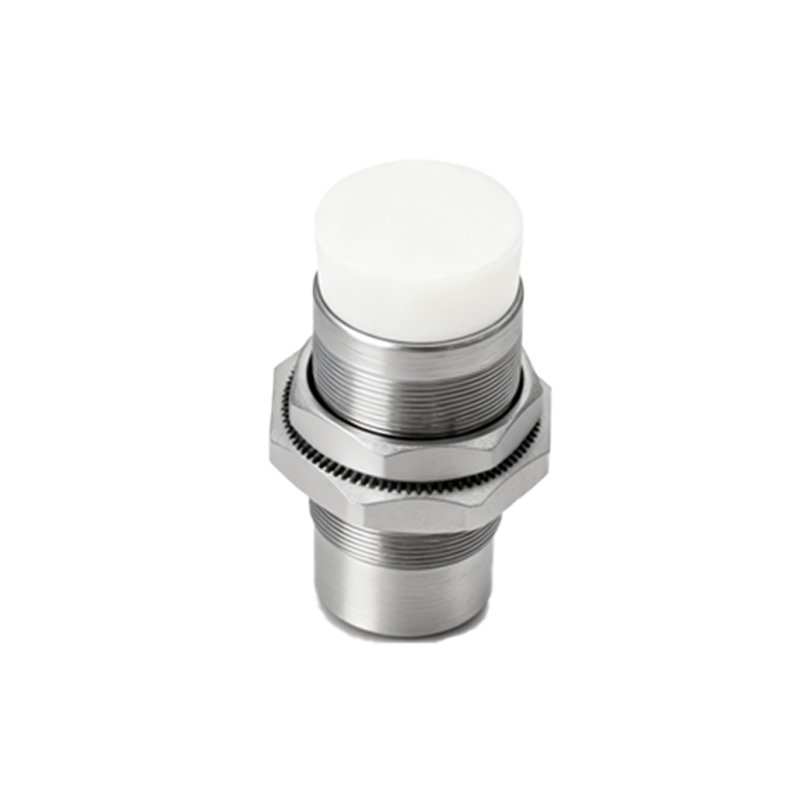
Innovations in proximity sensor architecture for new energy focus on miniaturization, energy harvesting, and connectivity. For instance, self-powered sensors using piezoelectric or thermoelectric harvesters are emerging for wireless monitoring in remote solar farms. Additionally, integration with Industrial Internet of Things (IIoT) platforms via IO-Link or wireless protocols allows real-time diagnostics and predictive maintenance, enhancing the lifecycle management of assets like EV battery packs or hydrogen fuel cell stacks.
In summary, the structural design of proximity sensors for new energy applications is a multidisciplinary endeavor, blending principles from electromagnetics, materials science, and embedded systems. By optimizing each component for harsh, dynamic conditions, these sensors contribute significantly to the operational integrity and advancement of sustainable energy technologies.