In the rapidly evolving landscape of industrial automation, precision measurement, and smart technology, laser distance sensors have emerged as a cornerstone component. Among the global manufacturers, Chinese laser distance sensors have gained significant traction in the international market, offering a compelling combination of advanced technology, reliability, and cost-effectiveness. This guide delves into the core technology, diverse applications, and key considerations for selecting these sensors, providing valuable insights for engineers, system integrators, and procurement specialists.
The fundamental principle behind a laser distance sensor is laser triangulation or time-of-flight (ToF) measurement. In triangulation, a laser diode projects a visible or infrared spot onto a target. The reflected light is focused onto a position-sensitive detector (like a CMOS or CCD array). The displacement of the reflected spot on the detector is directly proportional to the distance to the target, allowing for high-precision, non-contact measurement at close to medium ranges. Time-of-flight sensors, on the other hand, calculate distance by measuring the time it takes for a laser pulse to travel to the target and back. This method is ideal for longer ranges, from several meters to hundreds of meters, with slightly different accuracy profiles. Chinese manufacturers have mastered both technologies, offering a wide spectrum of models to suit various range, accuracy, and environmental requirements.
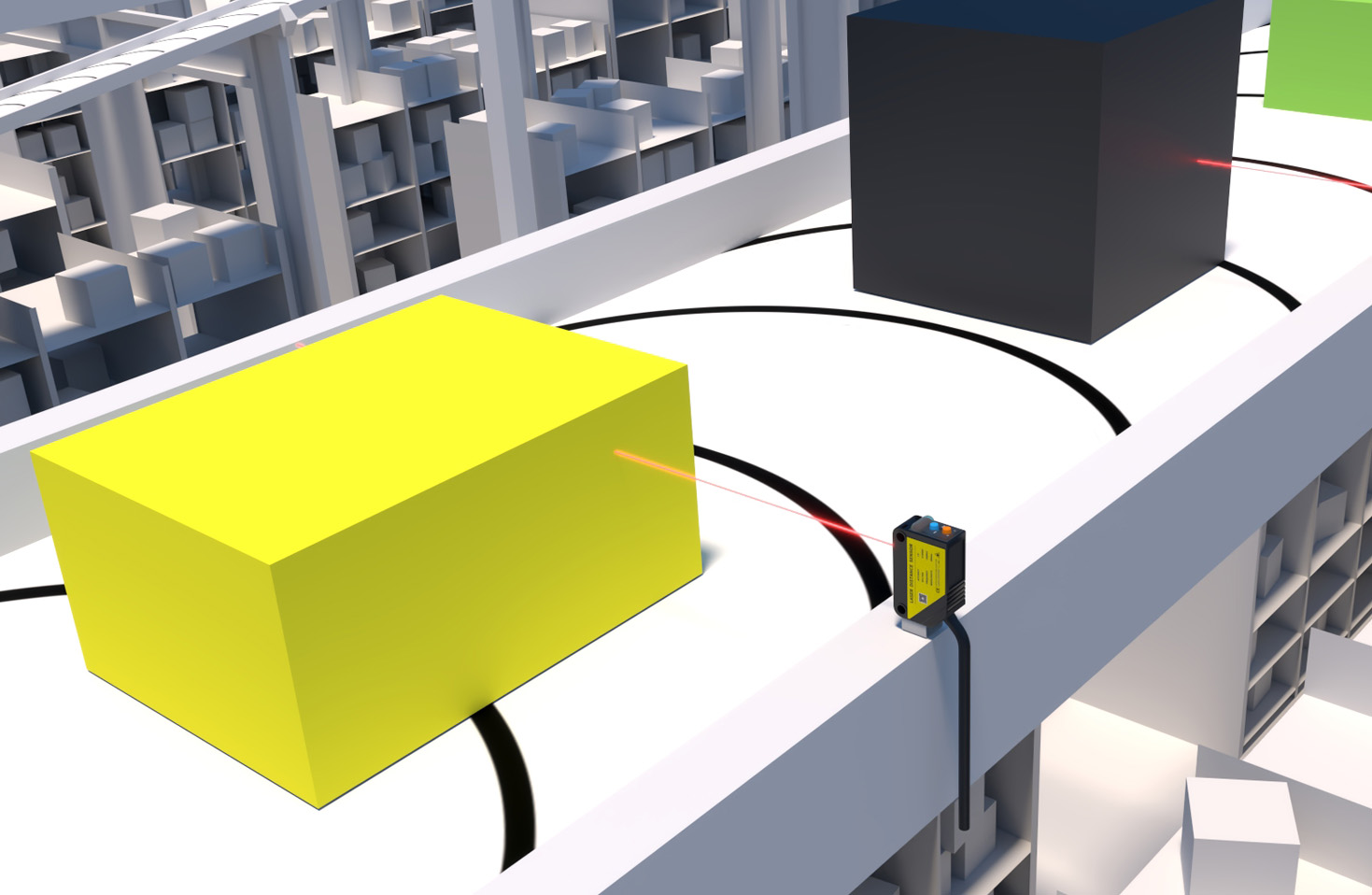
The applications for these sensors are vast and cross-industrial. In industrial automation, they are indispensable for precise positioning, object detection on conveyor belts, robotic guidance, and fill level monitoring in tanks and silos. The construction and surveying sectors utilize long-range laser distance meters (often handheld) for area and volume calculations, layout work, and monitoring structural deformations. In the burgeoning fields of autonomous vehicles, drones, and robotics, compact and fast ToF sensors provide essential environmental perception and obstacle avoidance capabilities. Furthermore, they are integrated into smart devices, security systems, and even consumer electronics, showcasing their versatility.

When evaluating Chinese laser distance sensors, several technical parameters demand careful attention. The measurement range is the first filter, specifying the minimum and maximum distances the sensor can accurately measure. Accuracy and resolution are critical; accuracy defines how close the measurement is to the true value, while resolution indicates the smallest detectable change in distance. High-performance Chinese sensors now achieve sub-millimeter accuracy in controlled environments. The response time or measurement frequency determines how quickly the sensor can take readings, which is vital for high-speed production lines. Laser class (typically Class 2 or Class 1 for eye safety) and output interface (analog 4-20mA/0-10V, digital RS232/RS485, Ethernet, or IO-Link) are key for system integration. Robust environmental ratings (IP67 for dust and water resistance) and operating temperature ranges ensure reliability in harsh industrial settings.
The competitive advantage of Chinese laser sensor providers lies not only in attractive pricing but increasingly in technological innovation and quality. Many leading Chinese companies invest heavily in R&D, producing sensors with enhanced algorithms for handling difficult surfaces (dark, shiny, or transparent), improved resistance to ambient light interference, and smarter connectivity features aligning with Industry 4.0 standards. The supply chain maturity in China also allows for greater customization, shorter lead times, and scalable production to meet large-volume project demands.
Selecting the right sensor requires a clear definition of the application needs. Consider the target material, surface characteristics, required speed, environmental conditions (dust, moisture, vibration), and the necessary communication protocol. It is highly advisable to request samples for on-site testing under real-world conditions to validate performance claims. Engaging with reputable suppliers who offer comprehensive technical support, clear documentation in English, and reliable warranty services is crucial for long-term project success.

In conclusion, Chinese laser distance sensors represent a sophisticated and highly viable solution for a global audience. By understanding the underlying technology, meticulously matching sensor specifications to application requirements, and partnering with credible manufacturers, professionals across industries can leverage these tools to enhance efficiency, accuracy, and automation in their operations. The continuous innovation from China's tech sector promises even more advanced and accessible sensing solutions in the years to come.