In the dynamic landscape of industrial automation and electrical engineering, proximity sensors stand as critical components for enabling non-contact detection, ensuring safety, and enhancing operational efficiency. For procurement specialists, project managers, and engineers, understanding the comprehensive cost structure associated with these devices, especially when utilizing agency or distributor services, is paramount for accurate budgeting and strategic sourcing. This article delves into the key factors influencing the total cost of ownership for proximity sensors and the value proposition of professional agency partnerships.
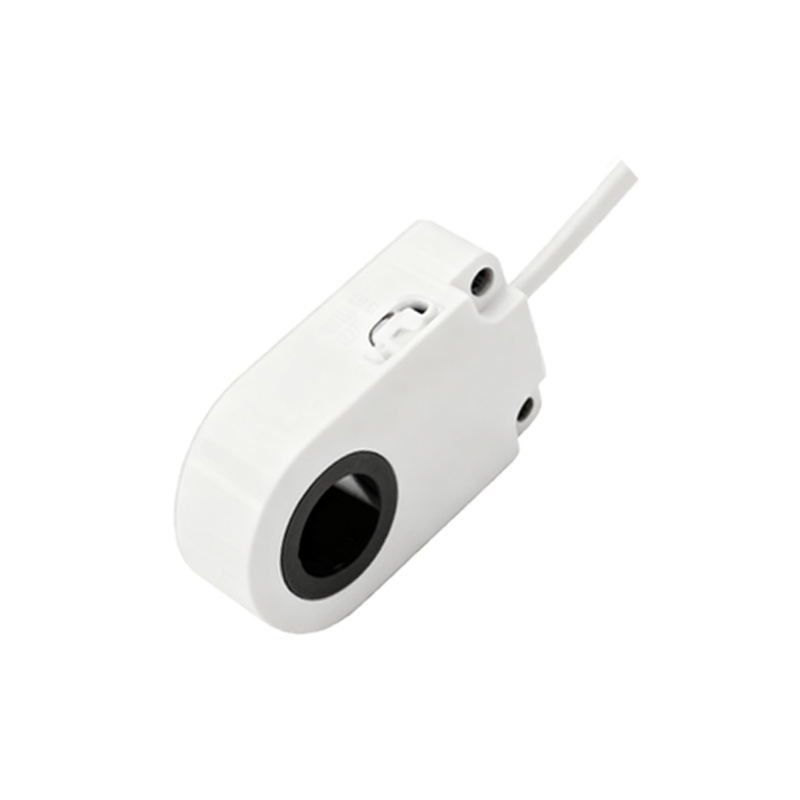
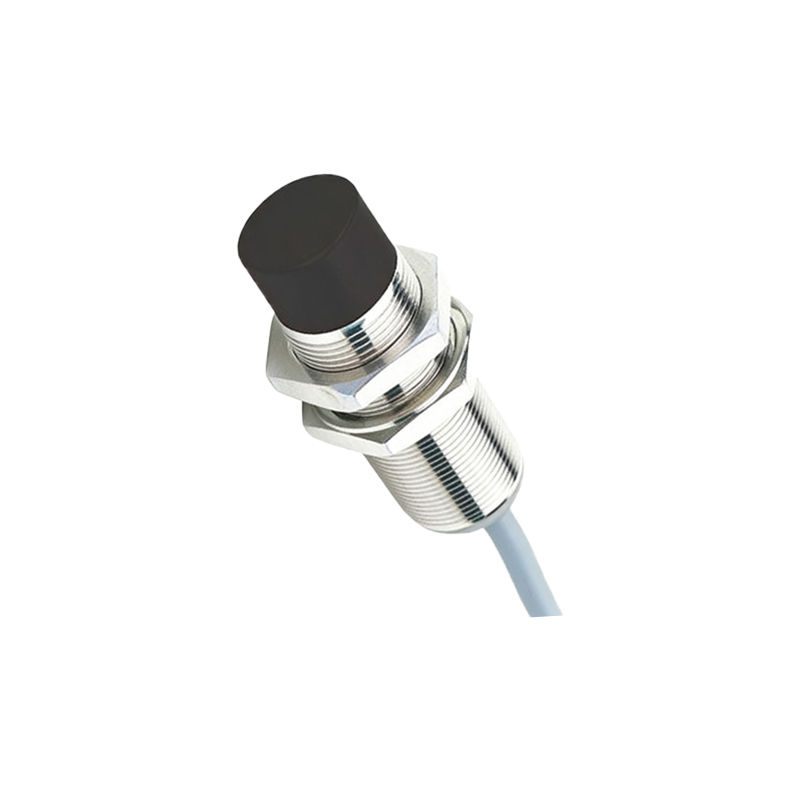
The upfront price of the sensor itself is just the starting point. This base cost varies significantly based on technology type. Inductive sensors, ideal for metal detection, are generally the most cost-effective. Capacitive sensors, capable of detecting non-metallic materials, often come at a moderate premium. More sophisticated technologies like ultrasonic or photoelectric sensors command higher prices due to their complex circuitry and extended sensing ranges. Furthermore, specifications such as sensing distance, housing material (e.g., stainless steel vs. plastic), output type (PNP/NPN, analog, IO-Link), and protection ratings (IP67, IP69K) directly impact the unit price. A standard cylindrical inductive sensor may be modestly priced, while a specialized long-range, wash-down resistant photoelectric sensor with analog output will represent a substantially larger investment.
However, focusing solely on the unit price is a common pitfall. The true cost encompasses several ancillary factors. Shipping and import duties can add a considerable percentage, particularly for orders sourced from overseas manufacturers. Lead times also have a cost implication; a cheaper sensor with a 20-week delivery may halt a production line, incurring losses far exceeding the component's price. This is where authorized distributors or specialized agencies demonstrate their value. A reputable agency maintains local inventory, drastically reducing lead times and mitigating supply chain disruption risks. Their services effectively convert the "cost" of waiting into the "value" of availability and reliability.
Agency fees or margin are embedded in their quoted price, but this premium buys critical expertise and support. A technical agency provides pre-sales consultation, ensuring the selected sensor is perfectly suited for the application—preventing costly mismatches and installation errors. They offer post-sales support, troubleshooting, and often handle warranty claims seamlessly, reducing downtime. For engineers, this access to expert knowledge saves valuable R&D time. Agencies also consolidate orders from multiple manufacturers, simplifying logistics and potentially reducing per-unit freight costs through combined shipments. They navigate complex certification requirements (CE, UL, ATEX) on behalf of the client, a service whose administrative cost is difficult to quantify internally.
Long-term operational costs must also be considered. High-quality sensors from reputable brands, often sourced through authorized channels, typically offer greater mean time between failures (MTBF), reducing replacement frequency and maintenance labor. Agencies ensure you receive genuine products, countering the hidden cost of premature failure associated with counterfeit components. Furthermore, they facilitate access to consistent product lines and lifecycle information, preventing costly re-engineering when a specific model is discontinued.
In conclusion, the cost of proximity sensors is a multi-variable equation. While competitive unit pricing is important, the strategic use of a knowledgeable agency or distributor adds dimensions of value that directly impact the bottom line: risk mitigation, time savings, technical assurance, and lifecycle support. The most cost-effective procurement strategy balances the initial product expenditure with the total cost of ownership, leveraging agency partnerships to secure not just a component, but a guarantee of system performance and operational continuity. Evaluating quotes should always involve a holistic view of price, lead time, technical support, and the supplier's ability to be a reliable long-term partner in your automation endeavors.