In the intricate world of industrial automation, the selection of a reliable rectangular proximity sensor supplier is a critical decision that impacts production efficiency, system reliability, and long-term operational costs. Unlike their cylindrical counterparts, rectangular sensors offer distinct advantages in mounting flexibility, sensing range, and integration into specific machine designs. This article delves into the essential factors engineers and procurement specialists must evaluate when sourcing these vital components.
The market for rectangular inductive, capacitive, and photoelectric proximity sensors is populated by a diverse range of suppliers, from global automation giants to specialized niche manufacturers. Leading multinational corporations, such as Siemens, Omron, Rockwell Automation (Allen-Bradley), and Schneider Electric, offer comprehensive portfolios. Their strengths lie in global supply chain networks, extensive technical documentation, and seamless integration with their own PLCs and control systems. For large-scale, multi-plant operations requiring standardization, these suppliers provide a compelling value proposition through volume discounts and unified technical support.
Conversely, a tier of specialized suppliers, like Pepperl+Fuchs, Turck, and Balluff, have carved out a reputation for exceptional product innovation, durability in harsh environments, and deep application expertise. These companies often pioneer advancements in sensing technology, offering sensors with enhanced resistance to welding spatter, extreme temperatures, or aggressive chemicals. For challenging applications in metalworking, automotive assembly, or food and beverage processing, these specialized suppliers are frequently the preferred choice.
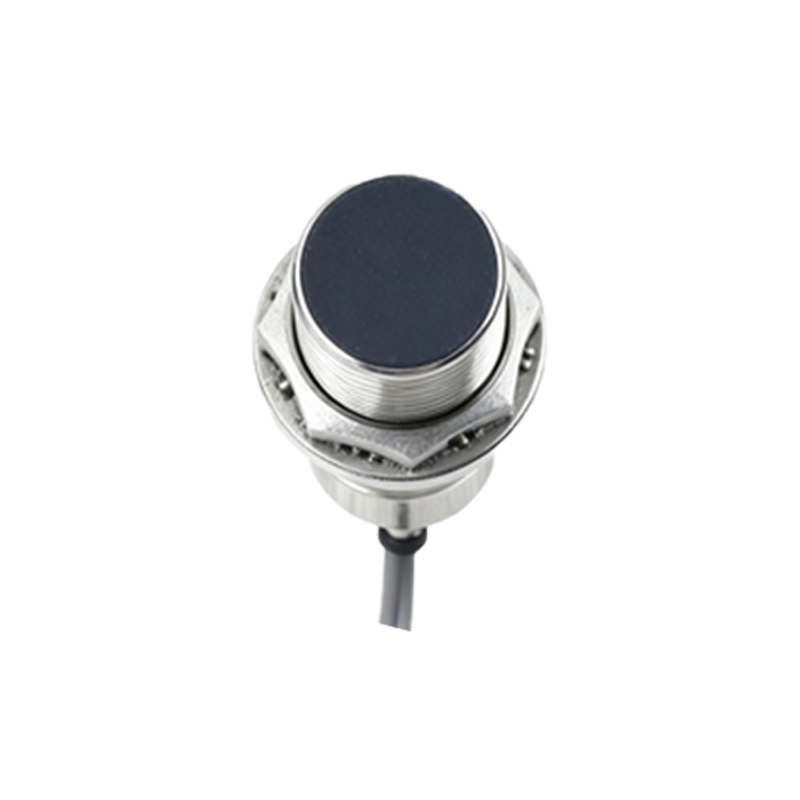
When evaluating a rectangular proximity sensor supplier, several technical and commercial criteria must be scrutinized. First and foremost is product quality and consistency. Sensors must deliver repeatable performance within specified tolerances for sensing distance, hysteresis, and switching frequency. Requesting sample units for rigorous in-house testing under real-world conditions is a non-negotiable step. Consistency across batches is equally crucial to prevent machine downtime due to sensor variability.
The second critical factor is the supplier's technical support and engineering capability. A competent supplier should provide detailed datasheets, 2D/3D CAD models for easy integration into machine designs, and clear application guidelines. The availability of knowledgeable application engineers who can assist with sensor selection for non-standard scenarios—such as detecting small or non-ferrous metal targets—adds significant value. Post-sales support, including troubleshooting assistance and warranty terms, is a key differentiator.
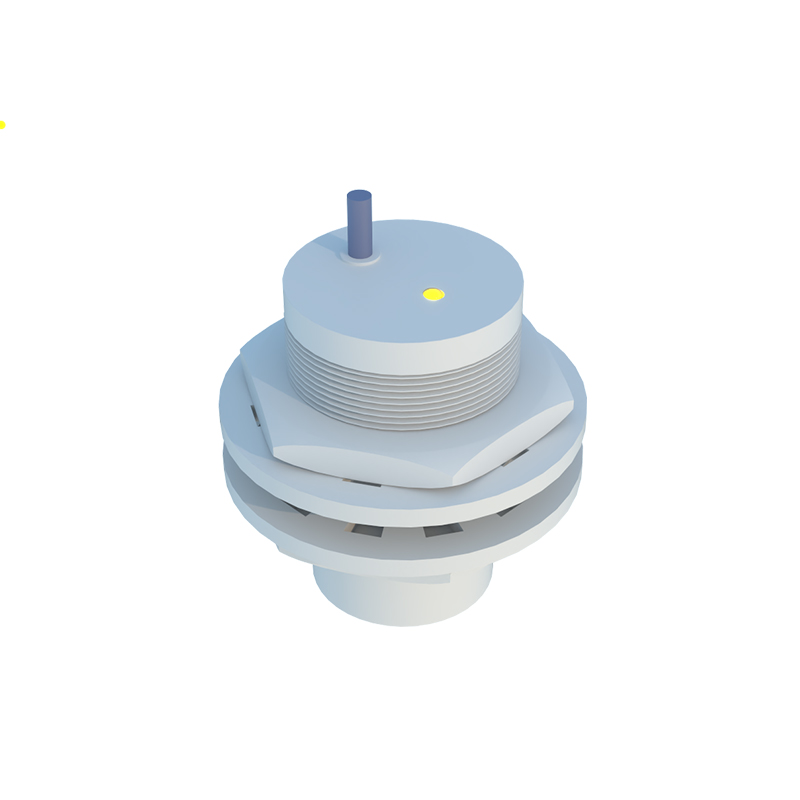
Supply chain resilience and logistics form the third pillar of evaluation. The ideal supplier demonstrates a proven track record of on-time delivery and maintains adequate inventory of popular models. In today's global landscape, understanding their manufacturing footprint and risk mitigation strategies for component shortages is essential. Local distribution partners can greatly enhance responsiveness for urgent replacement needs.
Furthermore, the breadth and depth of the product range matter. A supplier offering a wide array of rectangular sensors—varying in sensing technology (inductive, capacitive), housing materials (stainless steel, PBT plastic), output types (PNP/NPN, analog, IO-Link), and connection methods (cable, M8/M12 connectors)—simplifies procurement and reduces the number of vendors to manage. The emergence of smart sensors with IO-Link communication for predictive maintenance data adds another layer for consideration.
Cost considerations extend beyond the unit price. Total Cost of Ownership (TCO) includes factors like installation time, compatibility with existing infrastructure, mean time between failures (MTBF), and ease of replacement. A slightly higher initial cost from a premium supplier may be justified by dramatically longer service life and reduced downtime, leading to lower TCO.
Finally, future-proofing is an often-overlooked aspect. Partnering with a supplier committed to R&D ensures access to the latest technological improvements. Assessing their roadmap for sensor technology and their adherence to international standards (e.g., IEC, UL, ATEX for hazardous areas) safeguards your investment against obsolescence.
In conclusion, selecting a rectangular proximity sensor supplier is a strategic partnership decision. It requires a balanced analysis of product performance, technical expertise, supply chain robustness, and overall value. By moving beyond a simple price comparison and thoroughly vetting potential suppliers against these multifaceted criteria, engineering and procurement teams can secure a reliable source for these fundamental components, thereby ensuring the smooth, efficient, and continuous operation of automated industrial systems.