In the realm of industrial automation, the reliability and precision of sensing components are paramount. The TL-Q5MC inductive proximity sensor represents a significant advancement in this field, offering robust performance for a wide array of demanding applications. This article provides a comprehensive technical overview of the TL-Q5MC, detailing its operational principles, key specifications, and practical implementation considerations.
The TL-Q5MC is a cylindrical, shielded inductive proximity switch designed for non-contact detection of metallic objects. Its core operating principle is based on electromagnetic induction. The sensor incorporates an oscillator circuit that generates a high-frequency electromagnetic field at its active face. When a metallic target enters this detection field, eddy currents are induced within the target. These currents absorb energy from the oscillator, causing a reduction in its amplitude. This change is detected by a threshold circuit, which subsequently triggers a solid-state switching output. The "MC" designation typically indicates specific output characteristics, such as a complementary NPN/PNP configuration or a particular switching logic, making it versatile for integration with various programmable logic controllers (PLCs) and control systems.
Key technical specifications define the TL-Q5MC's performance envelope. It typically features a standard sensing range, often 5mm, optimized for precise positioning tasks. The sensor is designed to detect all ferrous metals (like iron and steel) and often non-ferrous metals (such as aluminum, brass, and copper), though the effective sensing distance may reduce for non-ferrous materials. A critical parameter is its switching frequency, which denotes how many detection cycles it can perform per second, enabling high-speed counting or positioning on fast-moving production lines. The TL-Q5MC is renowned for its high immunity to environmental interference. Its housing is constructed from robust materials like nickel-plated brass or stainless steel, providing an IP67 or higher ingress protection rating. This ensures reliable operation in the presence of coolants, oils, dust, and vibrations commonly found in machine tools, packaging machinery, and automotive assembly plants.
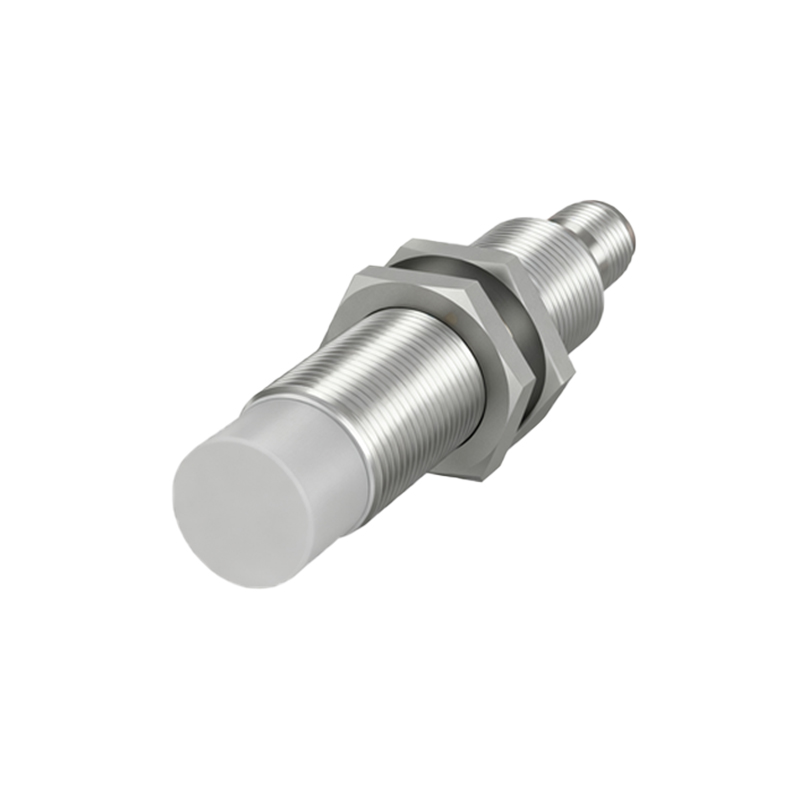
Electrical characteristics are equally important. Operating voltage ranges are compatible with standard DC supply lines, commonly 10-30V DC. The output stage is solid-state, ensuring a long operational life with no moving parts to wear out. The specific output type (e.g., normally open, normally closed, or complementary) allows for flexible wiring schemes to meet different control logic requirements. Furthermore, many models include a built-in LED status indicator for visual confirmation of the switching state, significantly aiding in installation and troubleshooting.
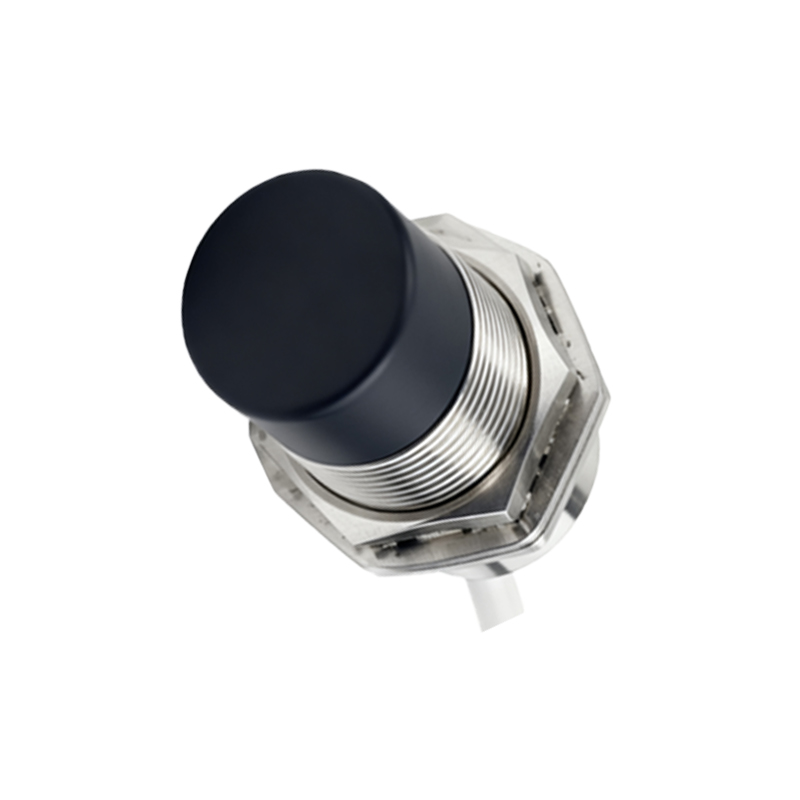
Installation and application of the TL-Q5MC require attention to detail. As a shielded (flush-mountable) sensor, it can be installed flush with a metal mounting bracket without affecting its sensing field, allowing for space-saving designs. However, users must maintain the specified lateral clearance between multiple sensors to prevent mutual interference. Common applications are extensive: position verification of machine tool slides, end-of-travel detection on actuators, part presence sensing in assembly jigs, and rotary speed monitoring using a gear tooth or key on a shaft. Its durability makes it ideal for harsh environments where mechanical limit switches would fail prematurely.
When selecting a sensor like the TL-Q5MC for a project, engineers must consider several factors beyond the basic specs. The nature of the target material directly impacts the effective sensing distance. The required response speed must match the process dynamics. Environmental conditions, such as extreme temperatures or exposure to aggressive chemicals, must be within the sensor's rated specifications. Finally, electrical compatibility with the existing control system's input modules is non-negotiable.
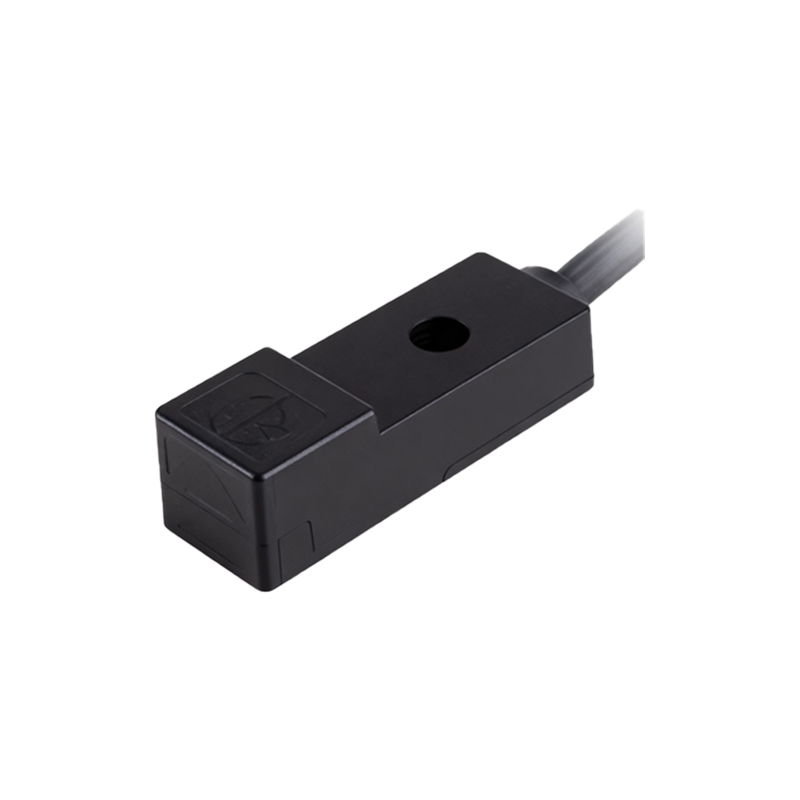
In conclusion, the TL-Q5MC inductive proximity sensor embodies a blend of precision, durability, and versatility. Its sophisticated yet reliable design addresses the core needs of modern industrial automation—providing accurate, maintenance-free detection that enhances system reliability and productivity. By understanding its technical nuances and application guidelines, engineers and technicians can effectively leverage this component to build more resilient and efficient automated systems.