In the intricate world of industrial automation and control systems, proximity sensors stand as silent sentinels, enabling precise, non-contact detection of objects. These devices are fundamental to modern manufacturing, robotics, and process control, offering reliability where physical contact is impractical or undesirable. Their core function is to detect the presence or absence of a target object within a specified sensing range without any physical touch, thereby minimizing wear and tear and allowing for high-speed operations.
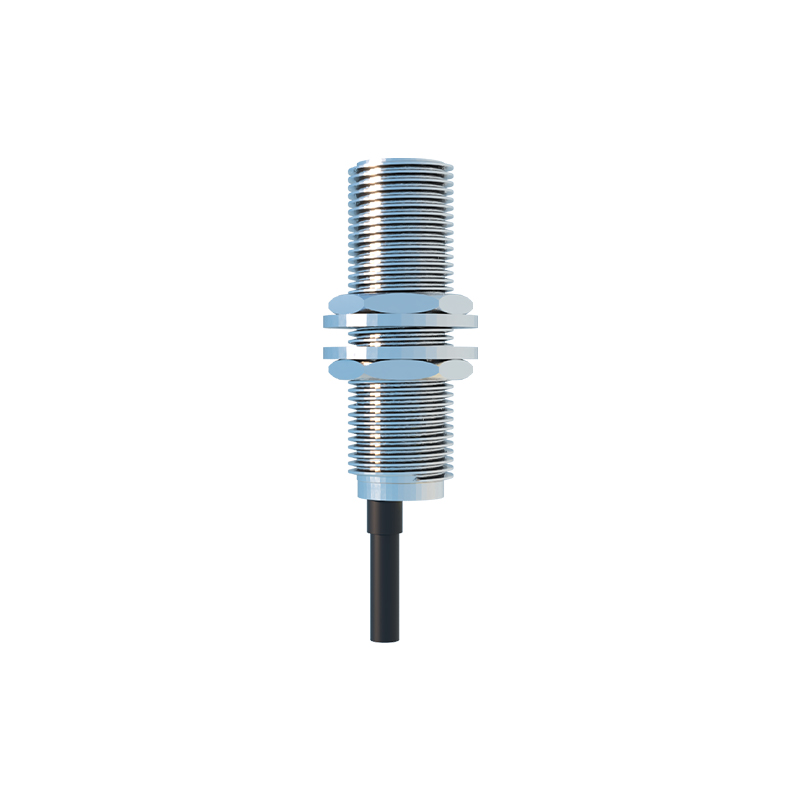
The operational principle of a proximity sensor is based on the disturbance of an electromagnetic field, acoustic wave, or light beam. The most prevalent types are categorized by their underlying technology. Inductive proximity sensors are the workhorses for detecting metallic objects. They generate an oscillating electromagnetic field from a coil. When a ferrous or non-ferrous metal target enters this field, it induces eddy currents, causing a change in the oscillation amplitude. This change is detected by the sensor's circuitry, triggering a solid-state output switch. These sensors are exceptionally robust, resistant to environmental contaminants like oil and dust, and are ideal for harsh industrial environments such as metal stamping, machining centers, and conveyor systems.
Capacitive proximity sensors, on the other hand, can detect both metallic and non-metallic materials, including liquids, plastics, glass, and wood. They function by generating an electrostatic field. Any object with a dielectric constant different from air entering this field alters the sensor's capacitance, triggering detection. This makes them versatile for applications like liquid level sensing, material handling of non-metallic products, and detecting filled containers through thin walls.
For longer-range detection and applications involving non-metallic objects, photoelectric sensors are often employed. They operate by emitting a beam of light (visible, infrared, or laser) and detecting its reflection or interruption. While not always classified strictly under "proximity" sensors in some technical taxonomies, their diffuse-reflective models function similarly for presence detection. Ultrasonic sensors use sound waves, measuring the time-of-flight of an emitted ultrasonic pulse reflected by a target. They excel in detecting objects of varying colors and surface types, and are used in distance measurement, transparent object detection, and level control in challenging conditions.
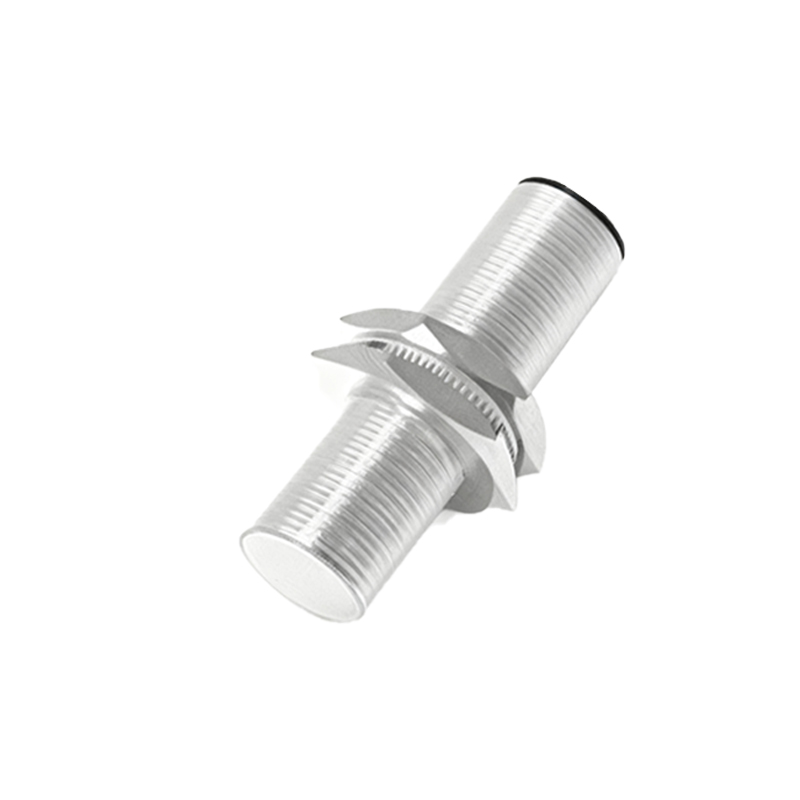
The selection of the appropriate proximity sensor is critical for system performance. Key parameters include sensing distance, or "rated operating distance," which is specified for a standard target. Engineers must consider factors like target material, size, and shape, as they significantly influence the effective sensing range. The installation environment is paramount; sensors are rated with Ingress Protection (IP) codes for dust and water resistance. Temperature ranges, presence of chemicals, and electrical noise are other vital considerations. Output configuration is another decision point: digital outputs (PNP/NPN) are standard, while analog outputs provide continuous distance information. Form factor, such as cylindrical barrel-style or rectangular block-style, depends on mounting constraints.
Applications are vast and diverse. In automotive assembly, inductive sensors count gears or detect piston position. In packaging lines, capacitive sensors verify the presence of liquid in bottles. On robotic arms, sensors ensure precise end-effector positioning. They provide safety interlocks on machine guards, control material flow on conveyors, and enable complex sequencing in automated storage and retrieval systems.
Maintenance of these devices is generally minimal due to their non-contact nature. However, ensuring a clean sensing face, checking for mechanical damage or misalignment, and verifying stable power supply are part of routine checks. Interference from adjacent sensors or large metal structures can sometimes cause erratic operation, necessitating proper spacing and shielding.
In conclusion, proximity sensors are indispensable components that translate physical presence into actionable electrical signals. The evolution towards smarter, IO-Link enabled sensors is integrating diagnostic data and parameter configurability directly into the control network, pushing the boundaries of predictive maintenance and flexible automation. Understanding their principles, types, and selection criteria empowers engineers to build more efficient, reliable, and intelligent automated systems, forming the essential tactile sense of the modern industrial landscape.