In industrial automation and control systems, proximity sensors play a critical role in detecting the presence or absence of objects without physical contact. However, a common issue that engineers encounter is slow response time, which can lead to production delays, inaccurate readings, or system failures. This article delves into the root causes of sluggish proximity sensor performance and provides practical solutions to restore optimal operation.
First, it is essential to understand how proximity sensors work. These devices typically use electromagnetic fields, infrared light, or ultrasonic waves to detect objects. When an object enters the sensing range, the sensor triggers an output signal. Slow response may occur due to factors such as environmental interference, sensor misalignment, or component degradation.
One primary cause of slow response is environmental contamination. Dust, oil, or moisture can accumulate on the sensor's surface, dampening its sensitivity. For instance, in manufacturing plants with high particulate levels, sensors may become coated with debris, reducing their ability to detect objects promptly. Regular cleaning with appropriate solvents and ensuring proper sealing can mitigate this issue. Additionally, installing protective housings or shields can prevent contamination in harsh environments.
Another factor is electrical interference. Proximity sensors are susceptible to electromagnetic noise from nearby machinery, motors, or power lines. This interference can delay signal processing, causing the sensor to respond slowly. To address this, engineers should ensure proper grounding and shielding of sensor cables. Using twisted-pair cables or ferrite cores can reduce noise susceptibility. Moreover, relocating sensors away from high-frequency equipment or installing filters on power supplies may enhance performance.
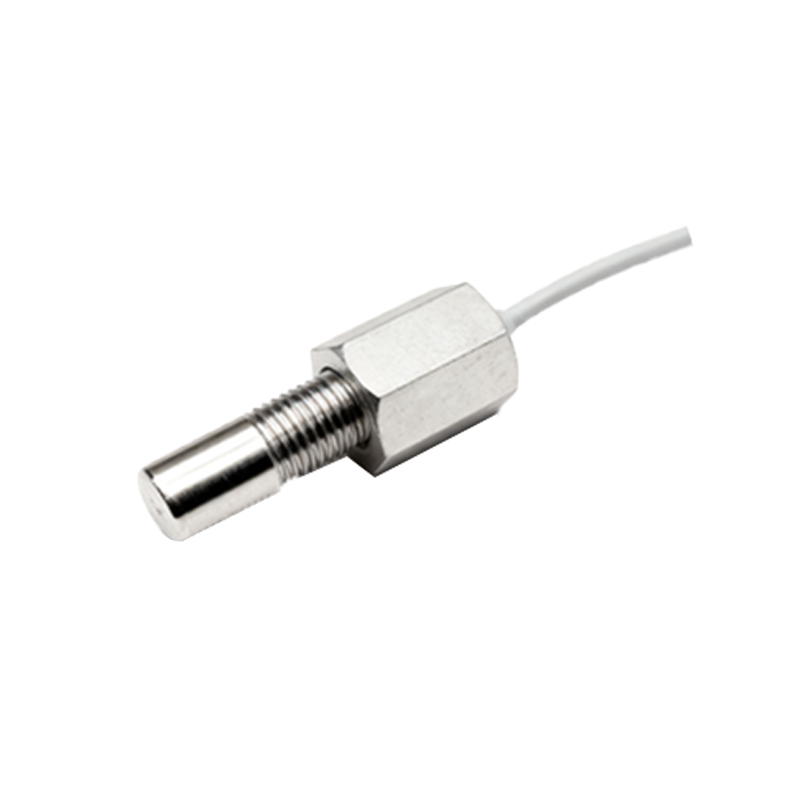
Sensor misalignment or incorrect installation can also lead to delayed responses. If a sensor is not positioned correctly relative to the target object, it may struggle to detect it efficiently. Engineers should verify the sensor's alignment according to the manufacturer's specifications, ensuring the target is within the optimal sensing range. Adjusting the mounting angle or distance can significantly improve response times. In some cases, switching to a sensor with a wider sensing range or different technology (e.g., capacitive instead of inductive) may be necessary for specific applications.
Component aging and wear are inevitable in industrial settings. Over time, internal electronics or sensing elements may degrade, resulting in slower operation. Regular maintenance and calibration are crucial to identify worn-out parts. Replacing old sensors with newer models that offer faster response times (e.g., high-speed proximity sensors) can be a cost-effective long-term solution. Additionally, monitoring sensor performance through diagnostic tools or PLC (Programmable Logic Controller) data can help detect early signs of deterioration.
Power supply issues can also impact sensor responsiveness. Insufficient voltage or current may cause the sensor to operate below its rated capacity, leading to delays. Engineers should check the power source for stability and ensure it meets the sensor's requirements. Using regulated power supplies and avoiding voltage drops in long cable runs can prevent such problems. In some instances, upgrading to sensors with lower power consumption or higher tolerance to voltage fluctuations may improve reliability.
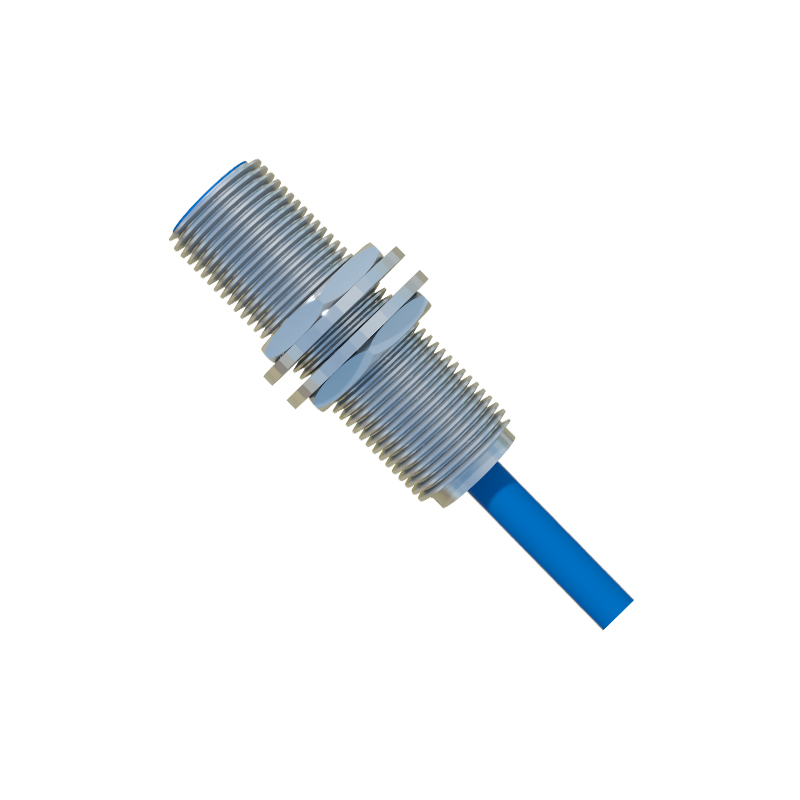
Finally, software or configuration errors in the control system can contribute to slow response. Incorrect parameter settings, such as delay timers or filter settings, may unintentionally slow down sensor signals. Reviewing and adjusting these parameters in the PLC or controller software is essential. For example, reducing filter times or disabling unnecessary delays can enhance real-time detection. Consulting the sensor's manual or manufacturer support for optimal configuration guidelines is recommended.
In summary, troubleshooting slow response in proximity sensors involves a systematic approach: inspecting for environmental factors, addressing electrical interference, ensuring proper installation, maintaining components, verifying power supplies, and optimizing software settings. By implementing these strategies, engineers can minimize downtime and maintain efficient automation processes. Remember, proactive maintenance and regular testing are key to preventing issues before they escalate, ensuring sensors operate at peak performance in demanding industrial applications.