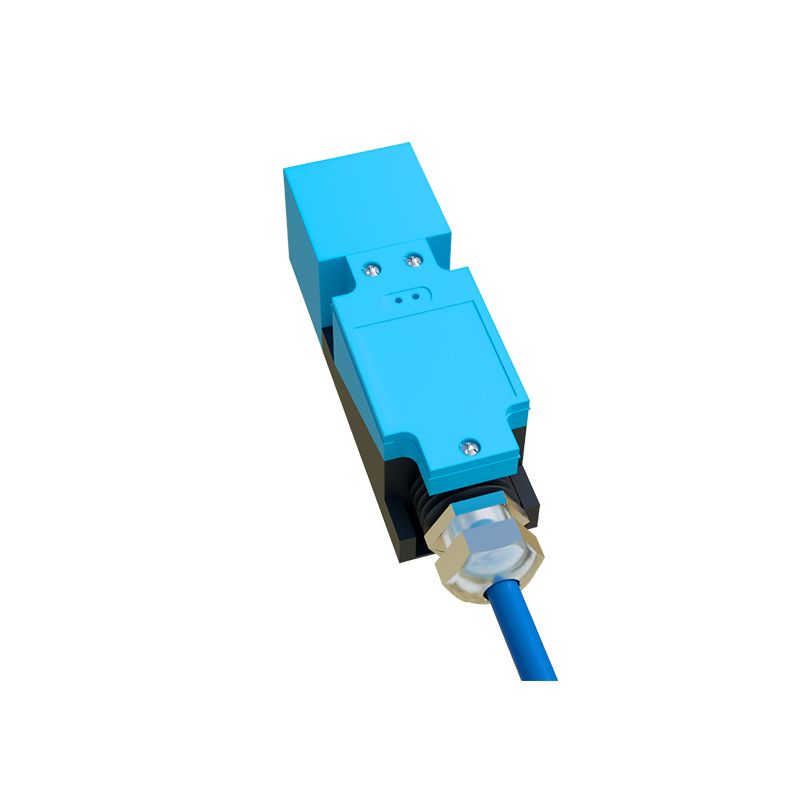
Proximity sensors have become indispensable components in modern industrial automation, offering non-contact detection capabilities that enhance efficiency, reliability, and safety across various applications. These sensors operate by emitting an electromagnetic field or a beam of electromagnetic radiation and detecting changes in the field or return signal. The primary types include inductive, capacitive, ultrasonic, and photoelectric sensors, each suited to specific environmental conditions and target materials.
Inductive proximity sensors are widely used for detecting metallic objects. They generate an oscillating electromagnetic field, and when a metal object enters this field, it induces eddy currents that dampen the oscillation, triggering the sensor output. Common applications include position sensing in conveyor systems, machine tool positioning, and part counting in assembly lines. Their robustness against dust, oil, and moisture makes them ideal for harsh manufacturing environments. For instance, in automotive manufacturing, inductive sensors ensure precise alignment of components during robotic welding processes, reducing errors and improving production speed.
Capacitive proximity sensors can detect both metallic and non-metallic materials, such as plastics, liquids, and granular substances. They work by measuring changes in capacitance caused by the presence of an object. This versatility allows their use in level detection for tanks containing liquids or powders, material handling in packaging industries, and presence sensing in woodworking or textile machinery. In food processing plants, capacitive sensors monitor fill levels in containers without direct contact, maintaining hygiene standards and preventing contamination.
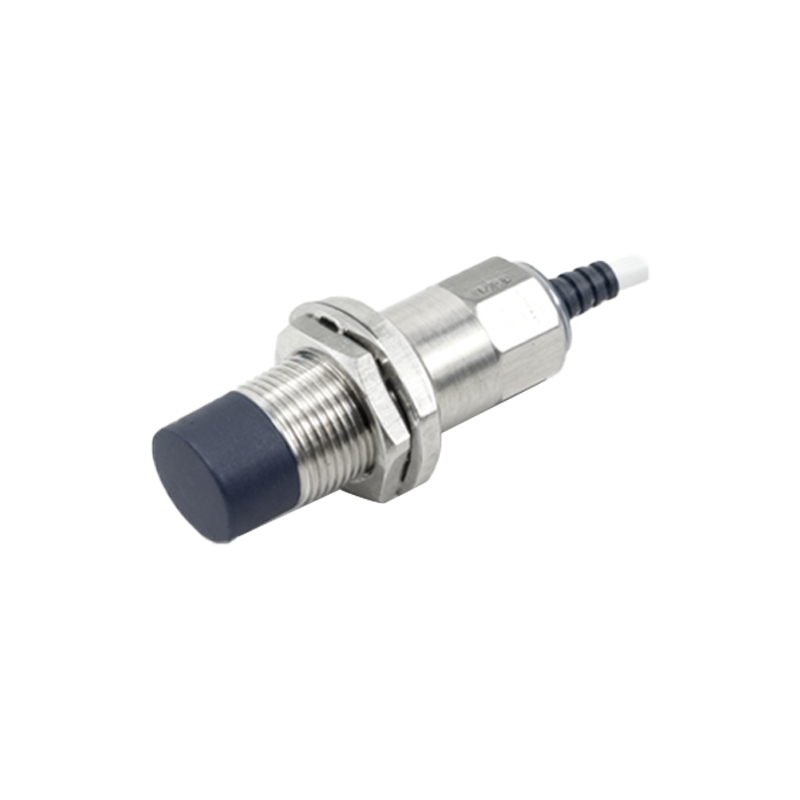
Ultrasonic proximity sensors utilize sound waves beyond human hearing to detect objects and measure distances. They emit high-frequency pulses and calculate the time taken for echoes to return, enabling accurate detection regardless of color, transparency, or material composition. Applications include obstacle detection in automated guided vehicles (AGVs), liquid level control in chemical tanks, and stack height measurement in warehousing. Their ability to operate in dusty or foggy conditions where optical sensors might fail makes them valuable in mining and outdoor logistics.
Photoelectric sensors employ light beams, typically infrared or laser, to detect objects. They are categorized into through-beam, retro-reflective, and diffuse reflective types, each offering different sensing ranges and environmental tolerances. These sensors excel in high-speed counting, packaging line control, and safety curtain systems for machinery guarding. In electronics manufacturing, photoelectric sensors verify component placement on printed circuit boards with micron-level precision, ensuring product quality and reducing waste.
The integration of proximity sensors with Industrial Internet of Things (IIoT) platforms has further expanded their capabilities. Smart sensors equipped with digital interfaces, such as IO-Link, provide real-time data on operational status, diagnostics, and predictive maintenance alerts. This connectivity enables centralized monitoring and optimization of production processes, reducing downtime and energy consumption. For example, in smart factories, sensor data analytics can predict wear in machinery parts, scheduling maintenance before failures occur.
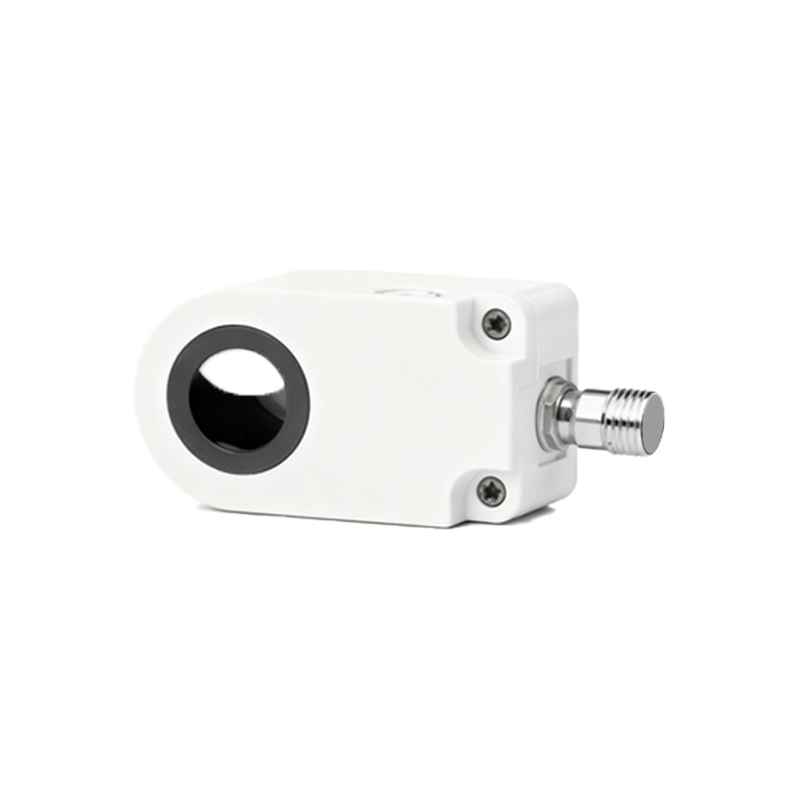
When selecting proximity sensors, engineers must consider factors like sensing distance, environmental conditions, target material, and response time. Proper installation and shielding are crucial to avoid interference from adjacent electrical equipment or metal surfaces. Regular calibration and maintenance ensure long-term accuracy, especially in critical applications like aerospace assembly or pharmaceutical production, where even minor errors can lead to significant losses.
Advancements in miniaturization and energy efficiency are driving the development of next-generation proximity sensors. Emerging technologies, such as MEMS-based sensors and AI-enhanced detection algorithms, promise higher sensitivity and adaptability in complex industrial scenarios. As automation evolves toward greater autonomy and flexibility, proximity sensors will continue to play a pivotal role in enabling seamless human-machine collaboration and sustainable manufacturing practices.