In the realm of industrial automation and machine safety, safety light curtain proximity sensors are indispensable components designed to protect personnel and equipment from hazardous motions. These devices create an invisible curtain of infrared or laser light beams, typically installed around dangerous machinery such as presses, robotic cells, or assembly lines. When an object or person interrupts this light curtain, the sensor triggers an immediate stop or safety response, preventing accidents. For engineers and procurement specialists seeking these critical safety solutions, identifying reliable sources is paramount.
Manufacturers and specialized distributors are primary sources for safety light curtains. Leading global manufacturers like SICK AG, Banner Engineering, Omron, Keyence, and Rockwell Automation produce a wide range of models tailored to various industrial needs. These companies often provide direct sales through their official websites or regional offices, offering detailed product specifications, certifications (e.g., ISO 13849, IEC 61496), and technical support. Purchasing directly from manufacturers ensures access to genuine products, comprehensive warranties, and expert guidance for integration.
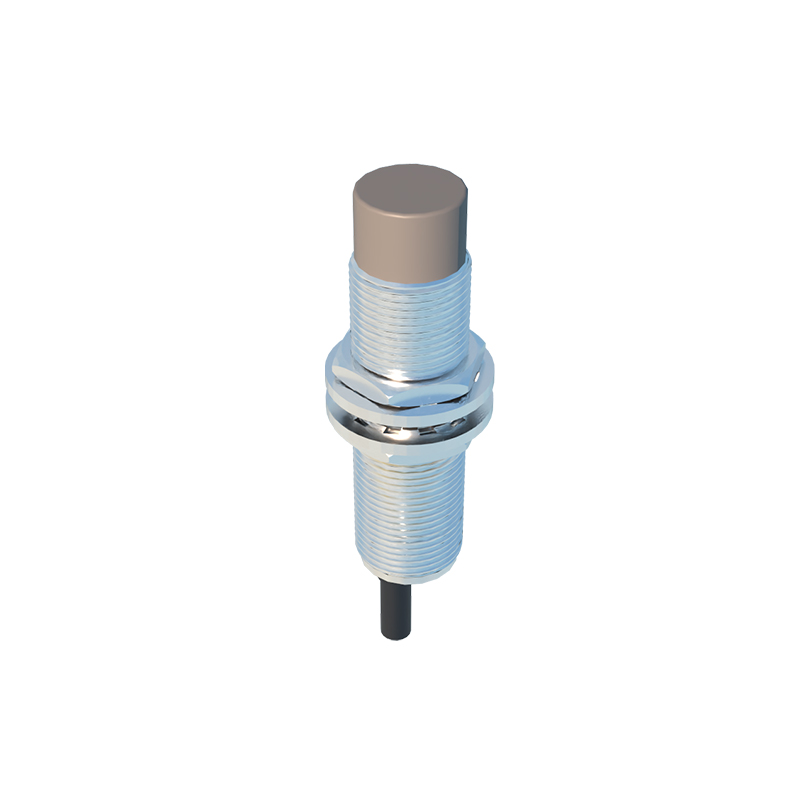
Industrial automation distributors and suppliers also stock safety light curtains, serving as convenient local or online hubs. Distributors such as Grainger, RS Components, Allied Electronics, and Digi-Key carry inventory from multiple brands, enabling comparison and faster delivery. These platforms often feature user-friendly search filters based on parameters like detection range, resolution, response time, and safety integrity level (SIL). For urgent requirements or small-scale projects, distributors can be ideal due to their logistical networks and ready availability.
Online marketplaces and B2B platforms have emerged as valuable resources, especially for sourcing specialized or cost-effective options. Websites like Amazon Industrial, eBay Business, and Thomasnet list numerous suppliers, including both new and refurbished units. However, buyers should verify seller credentials, product certifications, and return policies to avoid counterfeit or non-compliant items. Additionally, industry-specific portals and trade associations often curate directories of trusted vendors, enhancing sourcing efficiency.
Trade shows and industry exhibitions, such as the International Manufacturing Technology Show (IMTS) or Hannover Messe, provide opportunities to explore the latest safety light curtain technologies firsthand. These events allow engineers to interact with manufacturers, test products, and negotiate deals directly. Similarly, professional networks and forums—like those on LinkedIn or engineering communities—can yield recommendations based on peer experiences, highlighting reliable suppliers for niche applications.
When selecting a source, consider factors beyond mere availability. Ensure suppliers offer adequate documentation, including installation manuals, safety guidelines, and compliance certificates. Evaluate after-sales support, such as calibration services, repair options, and training resources. For custom requirements, some manufacturers provide tailored solutions, so inquiring about engineering support is advisable. Ultimately, the choice depends on balancing quality, cost, lead time, and technical assistance to meet specific operational safety standards.
In summary, safety light curtain proximity sensors are accessible through manufacturers, distributors, online platforms, and industry events. Prioritizing certified products from reputable sources safeguards both workforce well-being and production continuity, aligning with global safety regulations and best practices in industrial engineering.