In industrial automation and process control, proximity pipe pressure sensors represent a critical category of instrumentation designed for non-invasive or minimally invasive pressure monitoring within piping systems. Unlike traditional inline pressure transducers that require direct fluid contact via ports or taps, proximity variants often employ external mounting or specialized non-contact sensing principles to infer or measure pressure with minimal system intrusion. This technical overview delves into the operating principles, key selection criteria, and application best practices for these sophisticated devices.
Fundamental Operating Principles
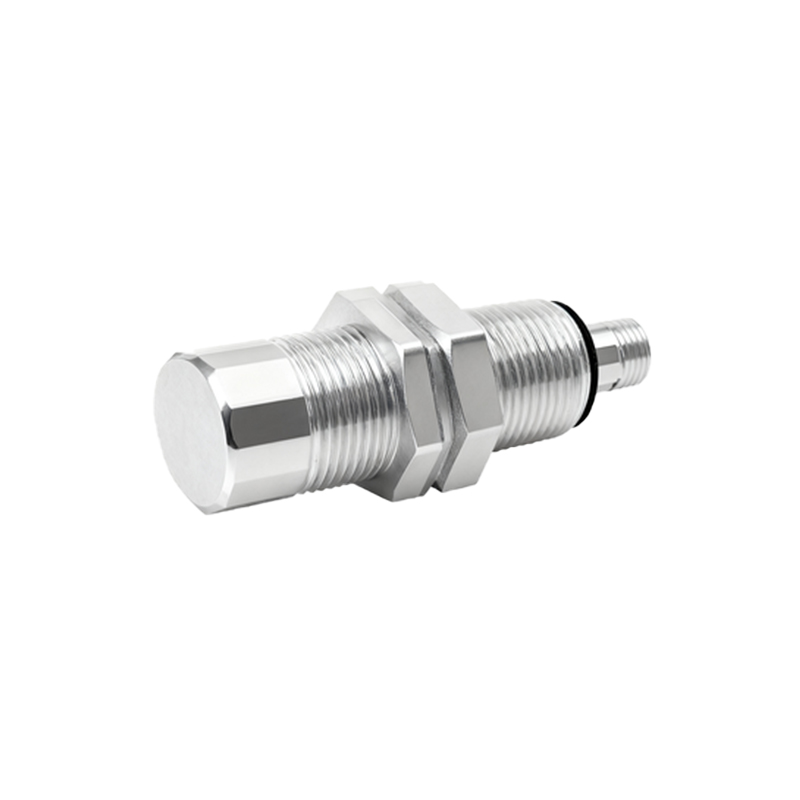
Proximity pipe pressure sensors operate primarily on two foundational principles: strain-based sensing and ultrasonic/ acoustic wave analysis. Strain-gauge based sensors are externally mounted onto the pipe's outer surface. They detect minute deformations or strains in the pipe wall caused by internal pressure changes. These sensors, often configured in a Wheatstone bridge, convert mechanical strain into a proportional electrical signal (typically 4-20mA or 0-10V DC). Advanced models incorporate temperature compensation circuits to account for pipe material expansion/contraction. The second major category utilizes ultrasonic or acoustic pulse technology. A transducer mounted on the pipe exterior emits high-frequency sound waves. The wave's propagation speed, attenuation, or time-of-flight changes measurably with variations in internal pressure, as pressure affects the density and acoustic impedance of the fluid and the pipe wall's mechanical stress state. Some hybrid designs combine both principles for enhanced accuracy and diagnostic capabilities.
Key Advantages and Limitations
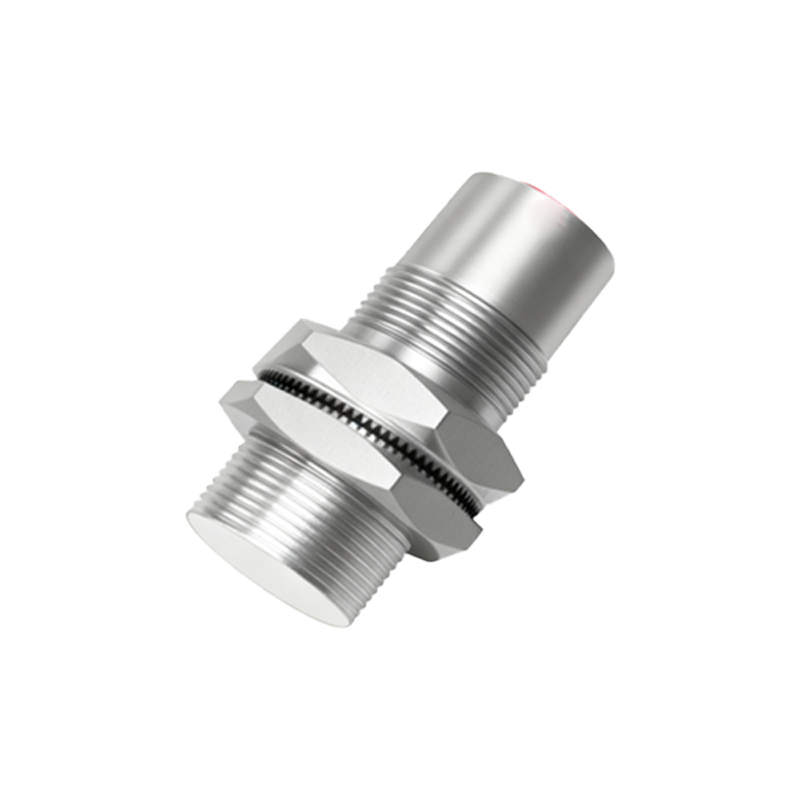
The primary advantage of proximity sensors is their non-intrusive nature. Installation does not require process shutdown, drilling, welding, or the creation of potential leak points. This significantly reduces installation time, cost, and safety risks, especially in hazardous or high-purity applications (e.g., chemical processing, pharmaceuticals, high-pressure steam lines). They are also ideal for monitoring existing pipelines where adding a pressure port is impractical. Furthermore, they eliminate issues like clogging, corrosion of sensing diaphragms, or fluid compatibility concerns associated with wetted parts.
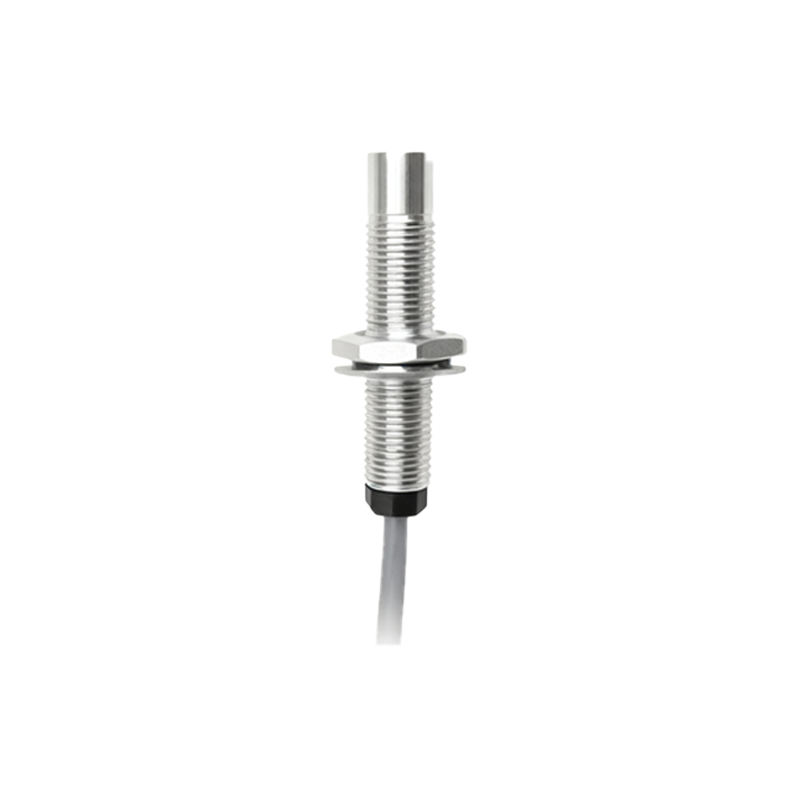
However, limitations exist. Accuracy can be influenced by pipe material, wall thickness, external clamping force, and ambient temperature fluctuations. Calibration is often more complex, requiring baseline measurements under known pressure conditions. They may be less suitable for pipes with heavy insulation, coatings, or composite materials that dampen strain or acoustic signals. Absolute accuracy is generally slightly lower than that of high-quality inline sensors, though for many monitoring and control applications, their precision is entirely sufficient.
Critical Selection Parameters
Selecting the appropriate proximity pressure sensor requires a detailed analysis of the application:
1. Pressure Range & Accuracy: Define the minimum and maximum operating pressures and the required accuracy class (e.g., ±0.5% FS). Ensure the sensor's range accommodates potential pressure spikes.
2. Pipe Specifications: Precisely document pipe material (carbon steel, stainless steel, PVC, etc.), outer diameter, and wall thickness. Sensor calibration is often material-specific.
3. Process Fluid & Temperature: While not in direct contact, fluid type can affect acoustic properties. More critically, the process temperature range affects both pipe mechanics and the sensor's own electronics.
4. Output Signal & Connectivity: Standard industrial outputs (4-20mA, HART, Foundation Fieldbus, PROFIBUS PA, IO-Link) must match the existing control system architecture.
5. Environmental Rating: The sensor's enclosure must withstand the ambient conditions (IP/NEMA rating for moisture/dust, ATEX/IECEx for hazardous areas).
6. Installation Mechanism: Choose between permanent epoxy-bonded sensors, clamp-on designs for temporary monitoring, or specialized wraparound bands for large-diameter pipes.
Application Best Practices
Successful deployment hinges on proper installation and commissioning. The pipe surface must be meticulously prepared—cleaned of rust, scale, paint, or insulation to ensure optimal acoustic coupling or strain transfer. For ultrasonic types, a consistent couplant gel is essential. The sensor must be positioned according to manufacturer guidelines, often away from elbows, valves, or pumps to avoid turbulent flow effects. Post-installation, a thorough calibration is mandatory. This involves applying a known reference pressure (using a calibrated portable tester or correlating with an existing inline gauge during system commissioning) and adjusting the sensor's zero and span. Implementing regular verification checks against a reference is recommended for critical applications.
Industry Applications
These sensors are ubiquitous across sectors:
- Water & Wastewater: Monitoring distribution mains, pump discharge pressure, and filter differential pressure without risk of contamination.
- Oil & Gas: Ensuring pipeline integrity, monitoring wellhead pressure, and leak detection in transmission lines.
- Chemical Processing: Safely monitoring pressurized reactor vessels and corrosive fluid lines.
- HVAC: Optimizing chiller and boiler system performance in