In the realm of industrial automation, proximity sensors are indispensable components, acting as the "eyes" of machinery by detecting the presence or absence of objects without physical contact. Selecting the right sensor for a specific application is a critical engineering decision that impacts system reliability, efficiency, and cost. This article outlines the fundamental principles for choosing the most suitable proximity sensor.
The first and foremost consideration is the sensing technology. The primary types include Inductive, Capacitive, Ultrasonic, and Photoelectric sensors. Inductive sensors are the workhorses for detecting metallic objects, typically ferrous metals like steel and iron, with excellent repeatability and resistance to harsh environments involving oil, coolants, or dust. For non-metallic materials such as wood, plastic, glass, or liquids, capacitive sensors are the appropriate choice, as they detect changes in capacitance caused by any material that affects an electrostatic field. When precise distance measurement or detection of complex-shaped objects is required, ultrasonic sensors excel by emitting sound waves and calculating distance based on the echo's return time. Photoelectric sensors, using a light beam (visible red, infrared, or laser), offer the longest sensing ranges and are ideal for detecting small objects or through transparent materials, but they can be susceptible to ambient light interference and require a clean optical path.
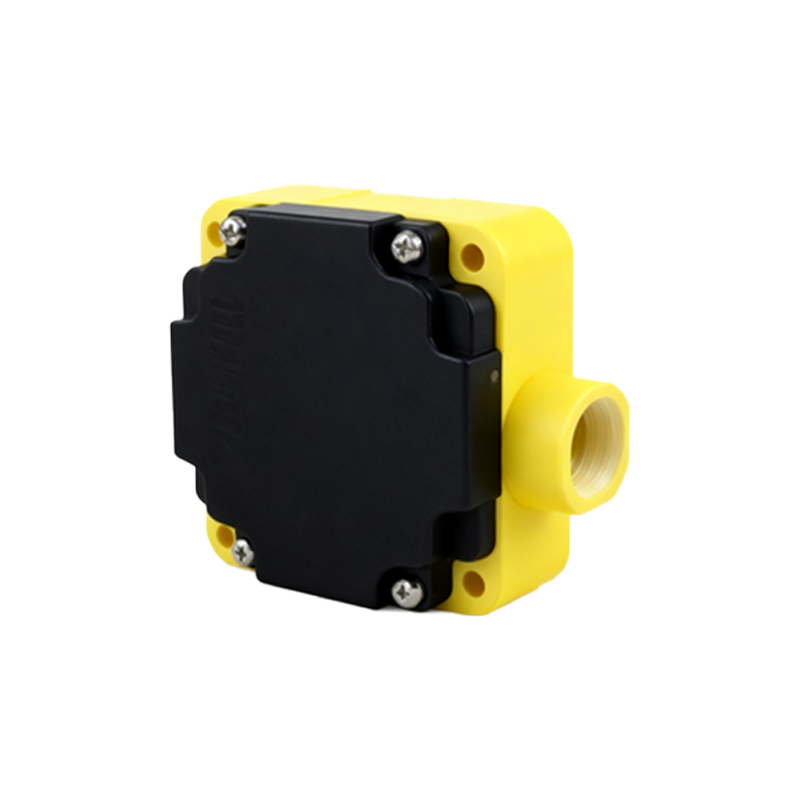
Following the technology selection, the operating environment dictates the sensor's housing and protection rating. Industrial settings often involve exposure to washdowns, metal chips, corrosive chemicals, or extreme temperatures. An Ingress Protection (IP) rating, such as IP67 (dust-tight and protected against temporary immersion) or IP69K (protected against high-pressure, high-temperature washdowns), is crucial. The housing material, typically nickel-plated brass, stainless steel, or PBT plastic, must be chosen to withstand chemical exposure and physical impacts. Temperature range specifications must also align with the application's ambient conditions.
The electrical characteristics form the next pillar of selection. Output type is a key decision: NPN (sinking) or PPN (sourcing) for DC sensors, and 2-wire or 3-wire AC/DC configurations. The choice must be compatible with the controller's input module (PLC, relay). Output function, normally open (NO) or normally closed (NC), defines the switching logic. Supply voltage range (e.g., 10-30V DC, 20-250V AC) must match the available plant voltage. The load current rating must not be exceeded to ensure longevity.
Physical and performance specifications are equally vital. The nominal sensing distance (Sn), as specified by the manufacturer, should be derated in practice. A safe installation practice is to use 50-80% of the nominal range to account for manufacturing tolerances, temperature effects, and supply voltage variations. The target object's material, size, and shape influence the effective sensing range. For inductive sensors, a reduction factor applies for non-ferrous metals like aluminum or copper, meaning the actual sensing distance is less than Sn. The sensor's switching frequency defines how fast it can detect objects passing by, which is critical for high-speed production lines. Hysteresis, the difference between the switch-on and switch-off points, prevents output chattering when a target is at the detection boundary.
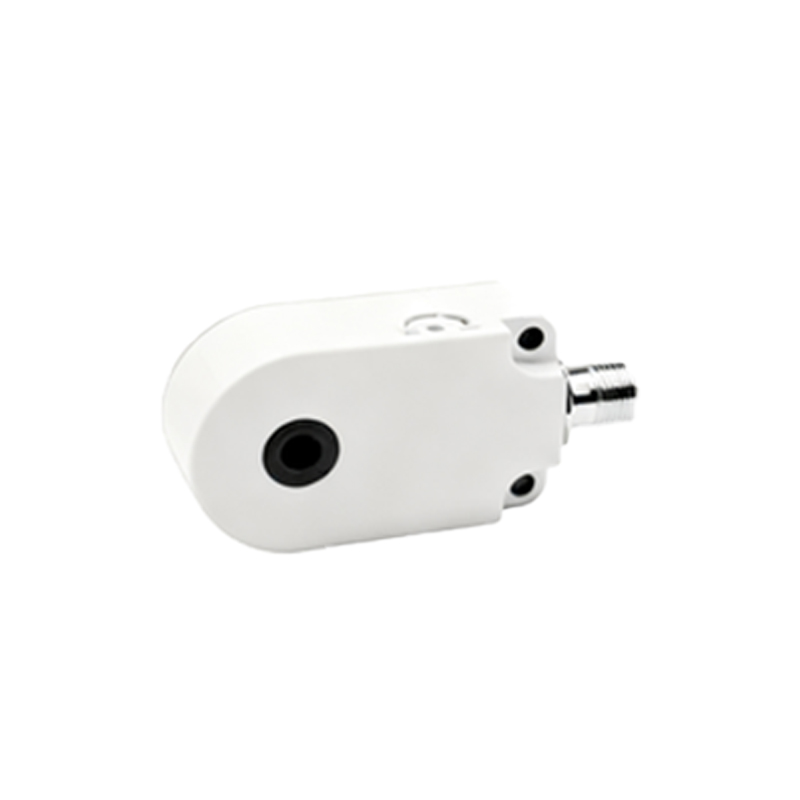
Finally, mounting considerations and connectivity cannot be overlooked. The sensor's form factor (barrel-style, rectangular, ring-shaped) must fit the mechanical design. Threaded barrels (e.g., M8, M12, M18, M30) are common, with flush-mountable or non-flush-mountable styles affecting their installation relative to metal surfaces. Quick-disconnect connectors (M12, M8) facilitate easy replacement and maintenance, while pre-wired versions with cable exits offer a simpler, though less flexible, solution.
In conclusion, a systematic approach to proximity sensor selection involves a sequential analysis of: 1) Target Material (to choose sensing technology), 2) Environmental Conditions (to determine housing and IP rating), 3) Electrical Interface (to ensure controller compatibility), 4) Performance Requirements (range, speed, accuracy), and 5) Mechanical Constraints (size, mounting). Consulting detailed manufacturer datasheets and, when in doubt, requesting a sample for testing in the actual application are best practices that prevent costly errors and ensure robust, long-lasting automation solutions.