In industrial automation, proximity sensors are indispensable components for detecting the presence or absence of objects without physical contact. However, one persistent challenge faced by engineers and technicians is the reliable detection of black objects. This issue stems from the fundamental operating principles of many proximity sensors, particularly photoelectric and inductive types, which can be significantly affected by the color and material properties of target objects.
Photoelectric proximity sensors, which rely on light beams to detect objects, often struggle with black surfaces due to low reflectivity. Black materials absorb most of the visible and infrared light emitted by the sensor, resulting in a weak or absent return signal. This can lead to false negatives or inconsistent detection, compromising system reliability. In contrast, white or reflective surfaces typically return strong signals, ensuring accurate performance. To address this, manufacturers have developed sensors with specialized features. For instance, diffuse reflective sensors with background suppression technology can better distinguish between the target and its surroundings by evaluating the angle of reflected light rather than just intensity. Additionally, through-beam sensors, which separate the emitter and receiver, offer higher reliability for black objects since they detect the interruption of the light beam rather than reflection.
Inductive proximity sensors, which detect metallic objects through electromagnetic fields, are inherently color-blind but have their own limitations with black non-metallic materials. For plastic or composite black objects, inductive sensors are ineffective, necessitating alternative solutions. Capacitive proximity sensors can be a viable option here, as they detect changes in capacitance caused by any material, regardless of color. However, they are sensitive to environmental factors like humidity and require careful calibration.
In practice, selecting the right sensor involves considering factors such as sensing distance, object size, environmental conditions, and cost. For black objects, key strategies include:
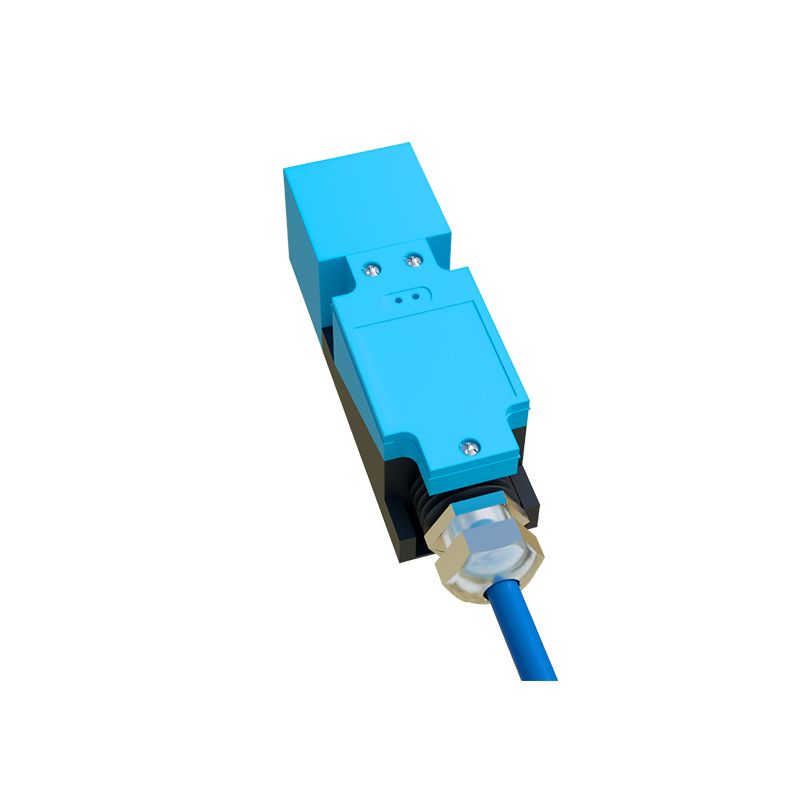
1. Using sensors with higher output power or adjustable sensitivity to enhance signal strength.
2. Opting for polarized filters in photoelectric sensors to reduce interference from glossy black surfaces.
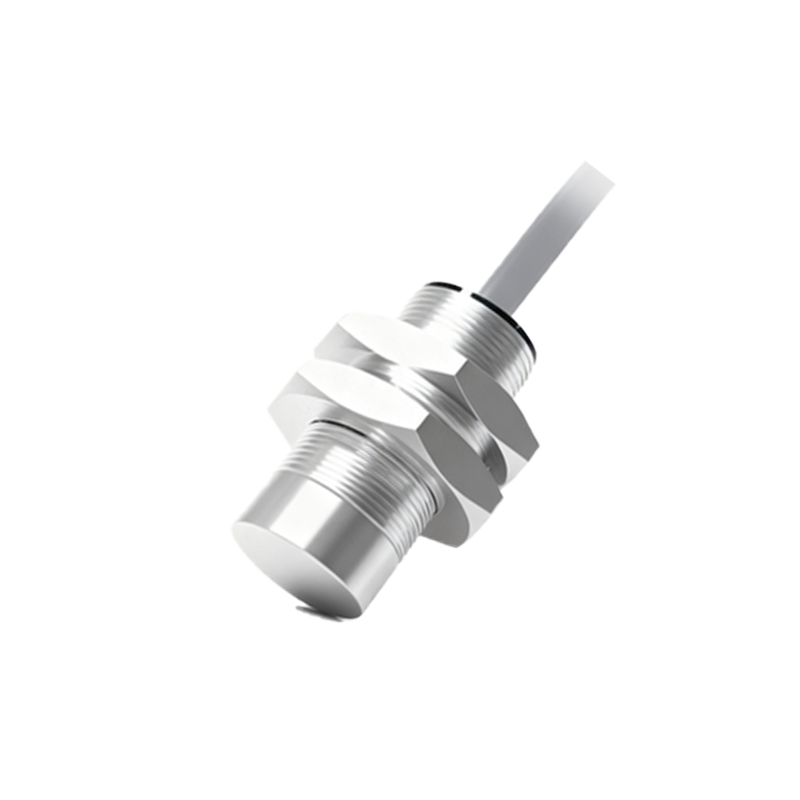
3. Implementing ultrasonic sensors, which operate on sound waves and are unaffected by color, though they may be influenced by temperature and air turbulence.
4. Employing laser-based sensors for precise detection of small or low-reflectivity black items.
Case studies in packaging, automotive, and electronics industries demonstrate that integrating these tailored solutions can mitigate detection issues. For example, in a bottling plant, switching to through-beam photoelectric sensors improved detection rates for black plastic caps from 85% to 99%. Similarly, in automotive assembly, ultrasonic sensors successfully identified black rubber components where inductive sensors failed.
Regular maintenance and calibration are also crucial to sustain performance. Dust, dirt, or wear can degrade sensor accuracy over time, especially in harsh industrial environments. Engineers should follow manufacturer guidelines and conduct periodic testing to ensure optimal operation.
In summary, while black objects pose a notable challenge for proximity sensors, advancements in technology and strategic selection can overcome these hurdles. By understanding sensor principles and application requirements, professionals can design robust systems that maintain efficiency and safety across diverse industrial settings. Continuous innovation in sensor design promises even greater adaptability in the future, further reducing limitations associated with object color and material.