Proximity sensors are vital components in modern industrial automation, enabling non-contact detection of objects. Understanding their working principles is essential for engineers and technicians. This comprehensive guide provides detailed explanations and diagrams for all major proximity sensor types.
Inductive Proximity Sensors operate based on electromagnetic induction. The sensor generates an oscillating electromagnetic field via a coil and ferrite core. When a metallic object enters this field, eddy currents are induced in the target, causing energy loss in the oscillator circuit. This change is detected by the threshold circuit, triggering an output signal. Key components include: oscillator coil, oscillator circuit, detector circuit, and output circuit. These sensors detect ferrous and non-ferrous metals with varying sensing distances, typically up to 60mm.
Capacitive Proximity Sensors function by detecting changes in capacitance. The sensor forms one plate of a capacitor, with the target object acting as the other plate. As an object approaches, the dielectric constant changes, altering capacitance in the oscillator circuit. When capacitance reaches a threshold, the oscillator begins oscillation, triggering the output circuit. These sensors can detect both metallic and non-metallic materials including liquids, powders, and plastics. Sensing ranges generally extend to 25mm.
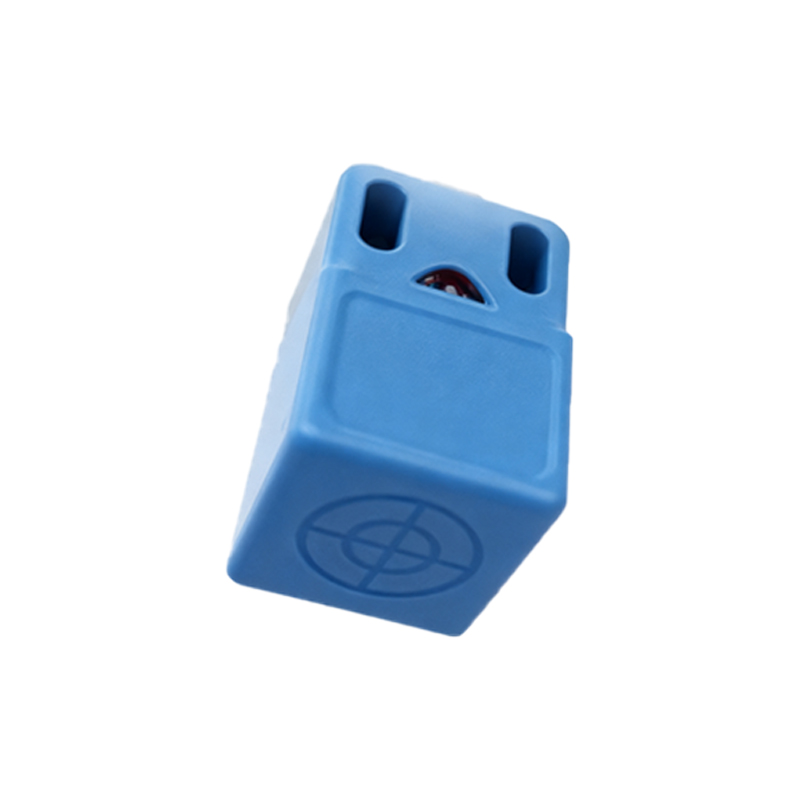
Ultrasonic Proximity Sensors utilize sound waves beyond human hearing range (typically 40-400 kHz). The transmitter emits ultrasonic pulses that reflect off objects. The receiver detects echoes, and a timer circuit calculates distance based on time-of-flight. These sensors excel at detecting objects regardless of material, color, or transparency. They offer longer sensing distances (up to 8 meters) but are affected by temperature, humidity, and surface angle.
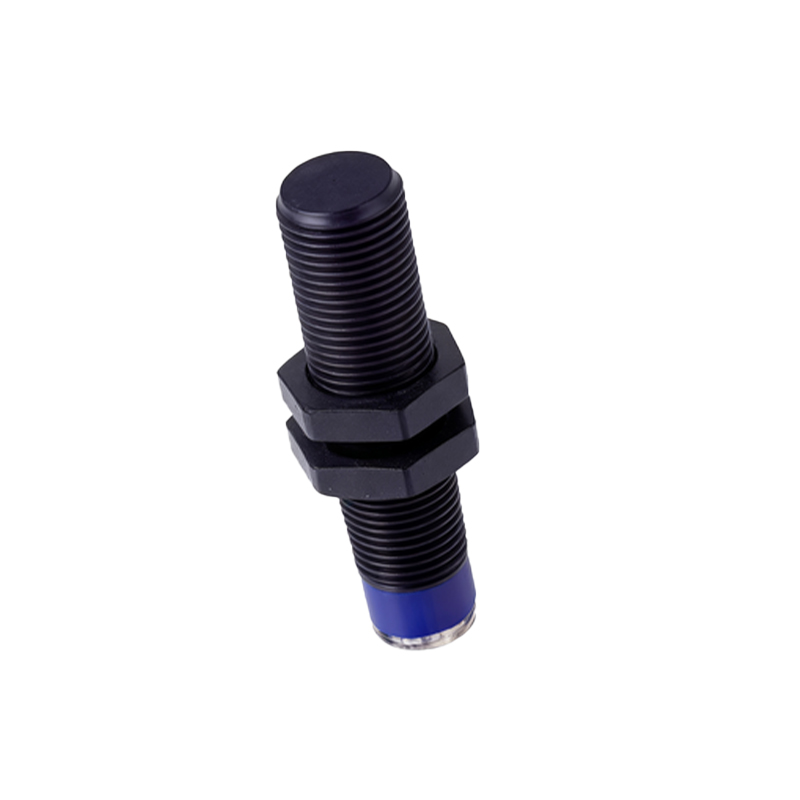
Photoelectric Proximity Sensors employ light beams for detection. Three main configurations exist: through-beam (separate transmitter/receiver), retro-reflective (with reflector), and diffuse reflective (single unit). When an object interrupts or reflects the light beam, the receiver detects intensity changes, triggering the output. Advanced versions use modulated LED light to minimize ambient light interference. These sensors provide the longest ranges (up to 100m for through-beam) and detect virtually any material.
Magnetic Proximity Sensors (Reed Switches) operate via magnetic fields. When a permanent magnet approaches, ferromagnetic reeds inside the sealed glass tube attract each other, closing the contacts. Hermetically sealed construction makes them ideal for hazardous environments. They're commonly used for position detection in cylinders and safety applications.
Hall Effect Sensors detect magnetic fields using semiconductor principles. When a magnetic field perpendicular to current flow is applied, the Lorentz force deflects charge carriers, creating a measurable voltage difference (Hall voltage). These solid-state sensors offer high reliability, fast response, and precise position detection.
Each sensor type has specific applications: inductive for metal detection in machinery, capacitive for material level control, ultrasonic for distance measurement, photoelectric for object counting, magnetic for position sensing, and Hall effect for speed detection.
Selection considerations include: target material, sensing distance, environmental conditions (temperature, contaminants), response time, output type (PNP/NPN, analog, IO-Link), and installation requirements. Proper shielding, grounding, and environmental protection (IP ratings) ensure reliable operation.
Modern advancements include: analog output for distance proportionality, temperature compensation circuits, embedded diagnostics via IO-Link, and enhanced noise immunity. Smart sensors now integrate condition monitoring and predictive maintenance capabilities.
Understanding these principles through detailed diagrams helps engineers optimize sensor selection, installation, and troubleshooting. Always consult manufacturer specifications for precise performance characteristics and application guidelines.