Square proximity sensors are essential components in modern industrial automation systems, designed to detect the presence or absence of objects without physical contact. These devices operate based on electromagnetic, capacitive, or inductive principles, depending on the application requirements. Typically housed in a compact, square-shaped enclosure, they offer robust performance in harsh environments, including exposure to dust, moisture, and temperature variations.
The working mechanism of square proximity sensors involves generating an electromagnetic field or sensing changes in capacitance. Inductive sensors, for instance, detect metallic objects by inducing eddy currents, while capacitive sensors can identify both metallic and non-metallic materials by measuring changes in capacitance. This versatility makes them suitable for diverse industries, such as manufacturing, packaging, and automotive assembly lines.
Key advantages of square proximity sensors include high reliability, fast response times, and minimal maintenance needs. Their square design allows for easy installation in tight spaces, often featuring mounting holes or brackets for secure placement. Additionally, many models come with LED indicators for real-time status monitoring, enhancing operational efficiency.
When selecting a square proximity sensor, factors like sensing range, output type (e.g., NPN or PNP), and environmental ratings (e.g., IP67 for water and dust resistance) must be considered. Proper installation and alignment are crucial to avoid false triggers, ensuring accurate detection in automated processes.
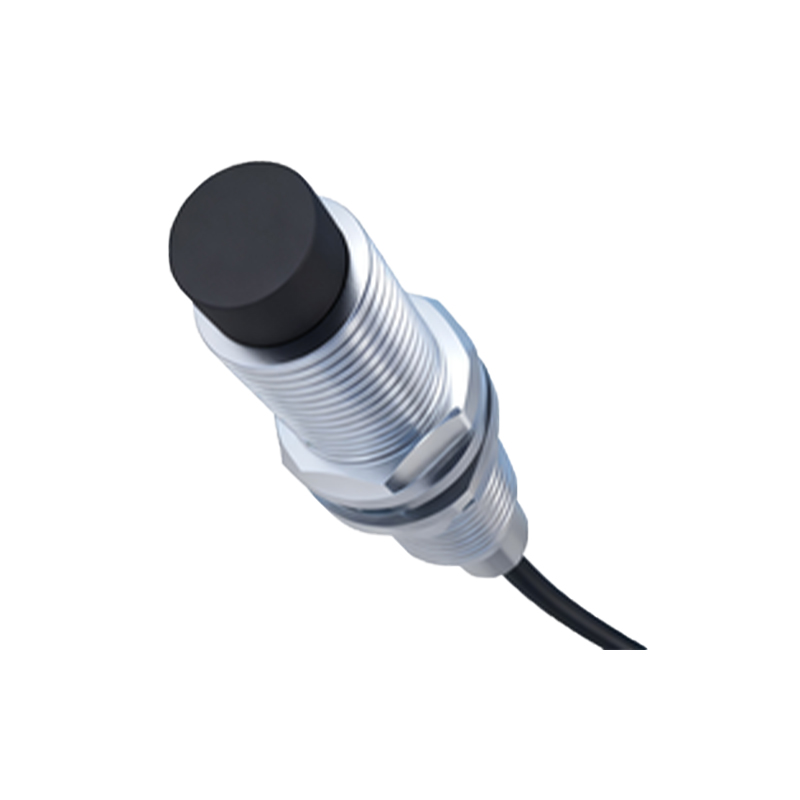
In summary, square proximity sensors play a pivotal role in improving safety, precision, and productivity in industrial settings. Their non-contact nature reduces wear and tear, contributing to longer equipment lifespans and cost savings. As automation technology evolves, these sensors continue to advance with features like enhanced sensitivity and connectivity for Industry 4.0 applications.