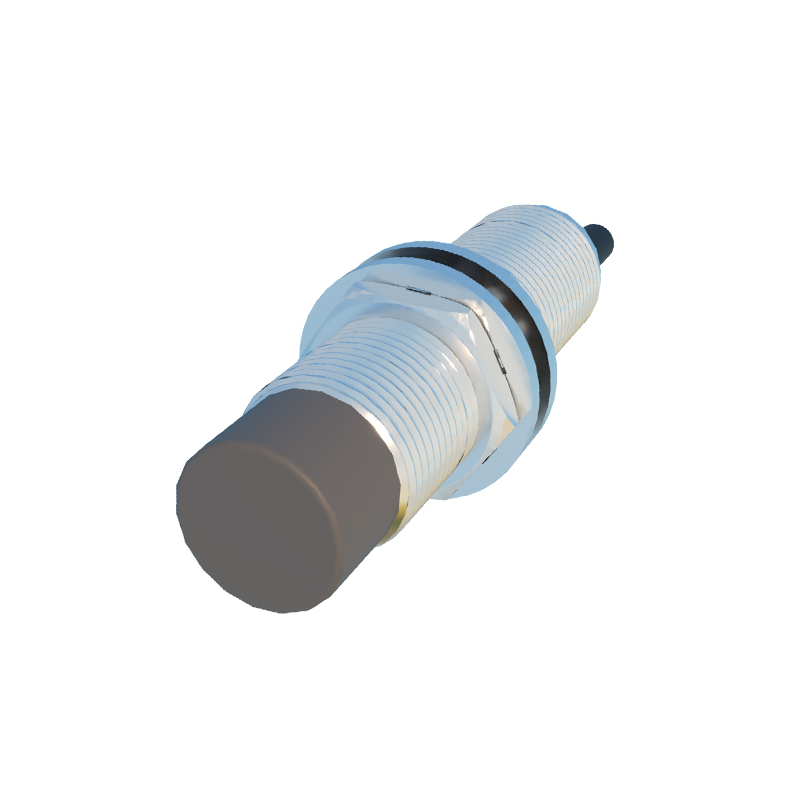
In the realm of industrial automation, proximity sensors play a pivotal role in detecting the presence or absence of objects without physical contact. Among these, long sensing distance proximity sensors stand out as critical components for applications requiring extended detection ranges. These sensors utilize various technologies, including inductive, capacitive, ultrasonic, and photoelectric principles, to achieve reliable operation in demanding environments. Inductive sensors, for instance, are particularly effective for metal detection, offering sensing distances that can exceed 100 mm in some advanced models. This capability makes them indispensable in heavy machinery, automotive assembly lines, and material handling systems where precise, non-contact sensing is essential for efficiency and safety.
The operational principle of long-range inductive proximity sensors revolves around generating an electromagnetic field. When a metallic object enters this field, it induces eddy currents, causing a change in the sensor's oscillation amplitude. This alteration is detected and converted into an electrical signal, triggering an output response. Key advantages include high durability, resistance to environmental factors like dust, moisture, and vibration, and minimal maintenance requirements. For non-metallic objects, capacitive or ultrasonic sensors are often employed, with ultrasonic variants capable of ranges up to several meters, suitable for level monitoring or obstacle detection in logistics.
Designing systems with long sensing distance sensors involves careful consideration of factors such as target material, size, and environmental conditions. For example, the sensing range can be influenced by the type of metal—ferrous materials typically allow longer distances compared to non-ferrous ones. Additionally, installation practices, like avoiding metal interference in the surrounding area, are crucial to prevent false triggers. Modern sensors incorporate features like temperature compensation, IO-Link communication for diagnostics, and adjustable sensitivity, enhancing their adaptability in smart factories aligned with Industry 4.0 initiatives.
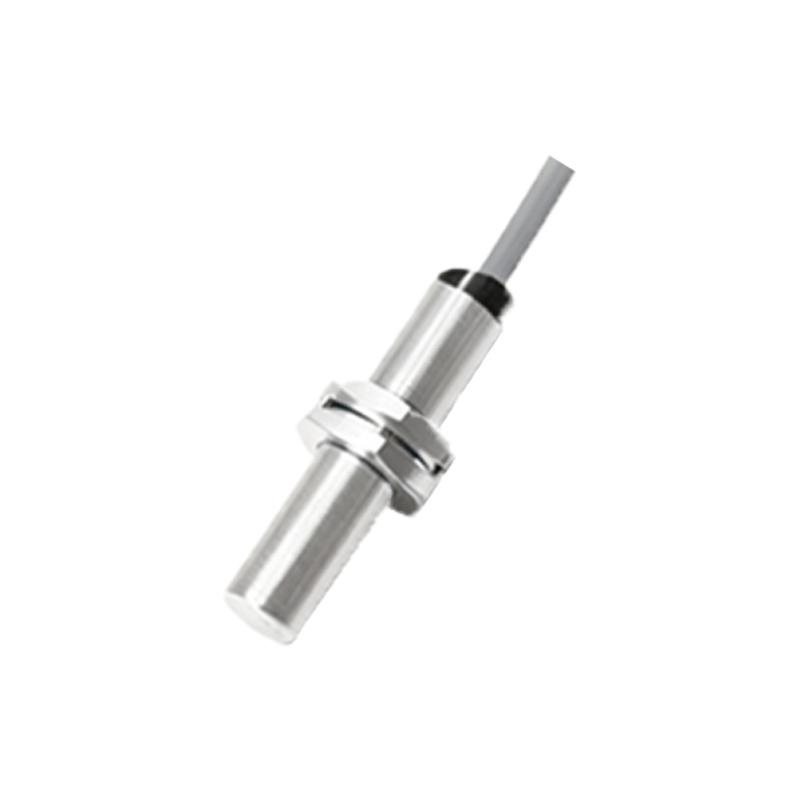
Applications span diverse sectors, from manufacturing and robotics to aerospace and renewable energy. In automated guided vehicles (AGVs), these sensors enable collision avoidance by detecting obstacles at a distance, ensuring smooth navigation. In packaging industries, they monitor product flow on conveyor belts, reducing downtime. Safety is another critical aspect; long-range sensors can be integrated into light curtains or emergency stop systems to protect workers from hazardous machinery by detecting intrusions in large zones.
Despite their benefits, challenges exist, such as sensitivity to electromagnetic interference or reduced accuracy with irregularly shaped objects. Ongoing advancements focus on improving signal processing algorithms, integrating wireless connectivity, and developing hybrid sensors that combine multiple technologies for enhanced performance. As industries increasingly prioritize automation and safety, long sensing distance proximity sensors will continue to evolve, driving innovation in predictive maintenance and real-time monitoring systems. Ultimately, their ability to provide reliable, contactless detection over extended ranges makes them a cornerstone of modern industrial ecosystems, contributing to higher productivity and reduced operational risks.