In the demanding world of industrial automation and control, the selection of sensor components is a critical decision that directly impacts system reliability, maintenance costs, and overall operational efficiency. Among the various options available, proximity sensors encased in stainless steel housings represent a pinnacle of durability and performance for challenging applications. This article delves into the engineering rationale, key benefits, and typical use cases for these robust sensing devices.
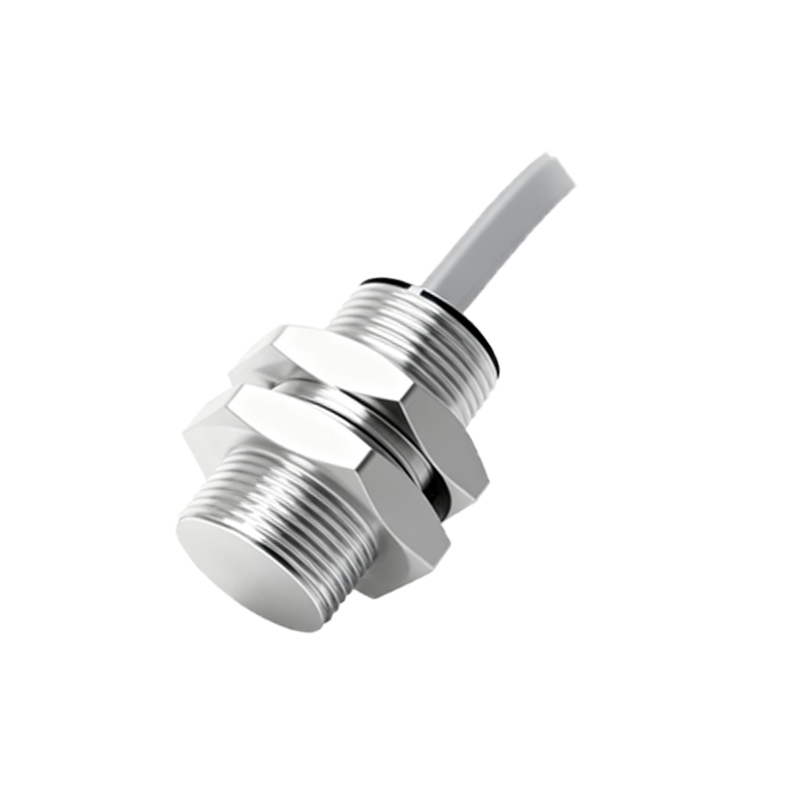
The primary advantage of a stainless steel housing is its exceptional resistance to corrosion and chemical attack. Industrial environments are often rife with moisture, coolants, cleaning agents, salts, and other corrosive substances that can rapidly degrade sensors with standard plastic or mild steel enclosures. Austenitic stainless steel grades, particularly 304 and the more corrosion-resistant 316, form a passive chromium oxide layer that protects the underlying metal. This inherent property ensures the sensor's body remains intact, preventing ingress of contaminants that could damage the sensitive internal electronics. The result is a dramatically extended service life, even in settings like food and beverage processing, chemical plants, marine applications, and outdoor installations subject to weathering.
Beyond corrosion resistance, stainless steel offers superior mechanical strength and resistance to physical impact. In heavy industries such as metalworking, mining, or material handling, sensors are frequently exposed to vibration, shock from falling debris, or accidental collisions with machinery and tools. A robust stainless steel casing acts as a formidable shield, protecting the encapsulated oscillator coil, amplifier, and output circuitry. This ruggedness translates to reduced downtime and lower total cost of ownership, as sensors require replacement less frequently. Furthermore, many stainless steel proximity sensors are designed with weld-field immunity, meaning their operation remains stable even in the presence of strong electromagnetic interference generated by nearby welding equipment or large motors.
Hygiene is a non-negotiable requirement in sectors like pharmaceuticals, biotechnology, and food production. Here, stainless steel is the material of choice. Its smooth, non-porous surface is easy to clean and sterilize using high-pressure washdowns, steam, or aggressive cleaning chemicals without risk of degradation. Many models are available with polished finishes and specific sealing ratings (e.g., IP67, IP68, IP69K) that guarantee protection against high-pressure, high-temperature water jets, ensuring reliable operation in washdown zones. This combination of cleanability and durability makes stainless-housed sensors indispensable for maintaining strict sanitary standards.
From a functional perspective, the performance of the sensing element itself is uncompromised. These sensors are available in all standard operating principles: inductive, capacitive, and magnetic. Inductive sensors, for detecting metallic objects, are the most common. The stainless steel face, however, presents a unique engineering challenge because it is a conductive material. To prevent the housing from interfering with the electromagnetic field, manufacturers employ a special design. A "field-concentrating" core guides the sensing field through a front zone made of a non-ferromagnetic material, often a specific grade of stainless steel or a ceramic compound, allowing the field to project beyond the housing to detect the target. This sophisticated design ensures high sensing ranges and repeatability despite the metallic shield.
Typical applications are vast and varied. They include position sensing on hydraulic cylinders in mobile equipment, detecting metal parts on conveyor lines in abrasive environments, monitoring valve positions in offshore oil and gas platforms, and ensuring precise counting and sorting in packaging machinery exposed to frequent washdowns. In essence, any application where environmental toughness is as crucial as sensing accuracy is a candidate for a stainless steel proximity sensor.
In conclusion, specifying a proximity sensor with a stainless steel housing is a strategic engineering decision driven by the need for maximum resilience. It is an investment in long-term reliability that safeguards against the multifaceted threats present in harsh industrial landscapes. By combining the intrinsic material benefits of stainless steel with advanced sensing technology, these devices provide a robust and hygienic solution, ensuring continuous and accurate operation where lesser components would swiftly fail. Engineers and plant managers tasked with optimizing uptime and reducing lifecycle costs will find these sensors to be a cornerstone of a robust automation architecture.