Proximity switches are essential components in industrial automation, enabling non-contact detection of objects without physical interaction. These sensors operate based on various principles, each suited to specific applications and environments. Understanding how proximity switches work is crucial for engineers and technicians in the electrical and automation industries to ensure reliable system performance.
The most common types of proximity switches include inductive, capacitive, ultrasonic, and photoelectric sensors. Inductive proximity switches detect metallic objects by generating an electromagnetic field. When a metal target enters this field, it induces eddy currents, causing a change in the sensor's oscillation amplitude. This change triggers the switch to output a signal, indicating the presence of the object. These sensors are widely used in manufacturing lines for detecting metal parts, such as in automotive assembly or machinery control, due to their durability and resistance to environmental factors like dust or moisture.
Capacitive proximity switches, on the other hand, can detect both metallic and non-metallic materials, including liquids, plastics, and wood. They work by measuring changes in capacitance between the sensor and the target object. When an object approaches the sensor, it alters the dielectric constant of the surrounding area, leading to a capacitance shift that activates the switch. This makes capacitive sensors ideal for applications like level detection in tanks or material handling in packaging industries, where versatility is key.
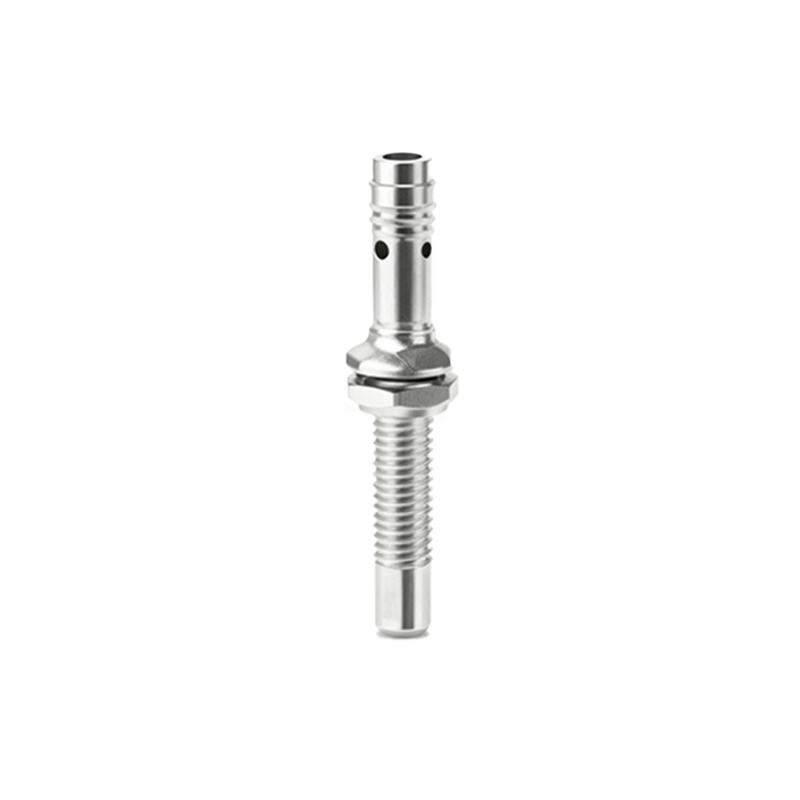
Ultrasonic proximity switches use sound waves to detect objects. They emit high-frequency ultrasonic pulses and measure the time it takes for the echoes to return after hitting a target. By calculating the distance based on the speed of sound, these sensors can determine the presence and position of objects accurately. Ultrasonic sensors are particularly useful in harsh environments where other sensors might fail, such as in areas with extreme temperatures or heavy contamination, and are commonly employed in robotics and logistics for obstacle avoidance.
Photoelectric proximity switches rely on light beams to sense objects. They consist of a light emitter (usually an LED or laser) and a receiver. When an object interrupts the light beam, the receiver detects the change and triggers the switch. These sensors come in various configurations, including through-beam, retro-reflective, and diffuse types, each offering different ranges and precision levels. Photoelectric sensors are prevalent in conveyor systems, security systems, and electronic devices for their high speed and accuracy in detecting small or transparent items.
The selection of a proximity switch depends on factors such as the material of the target object, required sensing distance, environmental conditions, and response time. For instance, inductive sensors are preferred for metal detection in dirty settings, while capacitive sensors excel in diverse material applications. Engineers must also consider installation aspects, like mounting position and electrical compatibility, to optimize performance. Regular maintenance, including calibration and cleaning, helps prolong sensor lifespan and prevent false triggers.
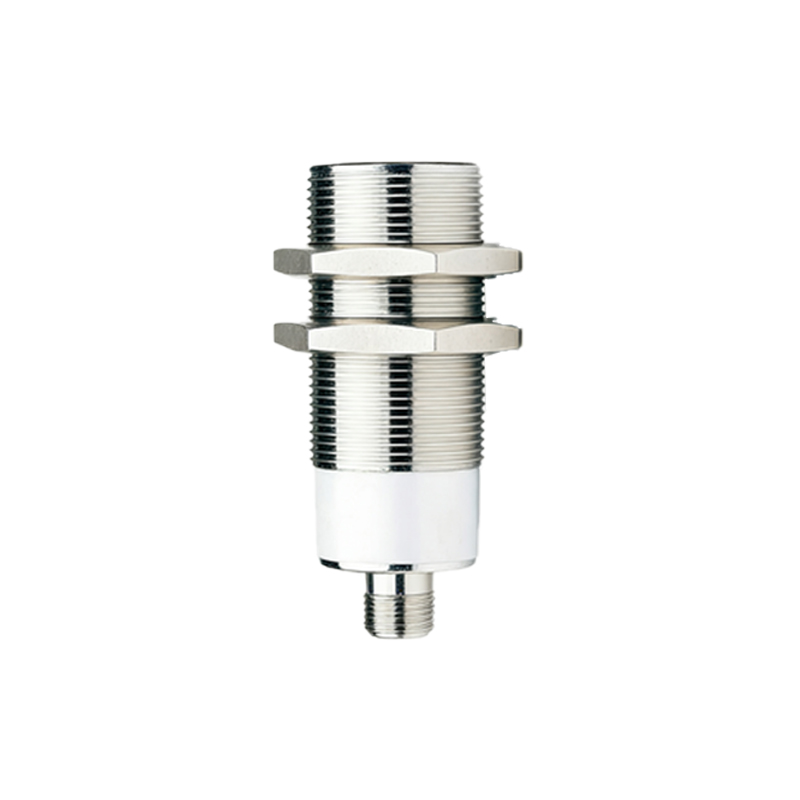
In summary, proximity switches play a vital role in modern automation by providing efficient, non-contact detection solutions. Their principles of operation—whether based on electromagnetic fields, capacitance, sound waves, or light—enable tailored applications across industries. As technology advances, these sensors continue to evolve, offering enhanced features like digital interfaces and IoT connectivity, further driving innovation in electrical engineering and industrial systems.