In the intricate world of industrial automation and electrical systems, proximity sensors stand as critical components for non-contact detection. While much attention is given to the sensor's sensing range, output type, and housing material, the humble nut—specifically the model and type used for mounting—plays a surprisingly vital role in ensuring system reliability, stability, and safety. This guide delves into the various proximity sensor nut models, their specifications, and best-practice selection criteria for electrical engineers and system integrators.
The primary function of a proximity sensor nut is to securely fasten the sensor to a mounting bracket, machine frame, or panel. A poorly chosen or incorrectly specified nut can lead to sensor misalignment, vibration-induced loosening, physical damage, or even complete failure, causing costly downtime. Proximity sensor nuts are typically not universal; their model is often dictated by the sensor's housing design and thread specification.
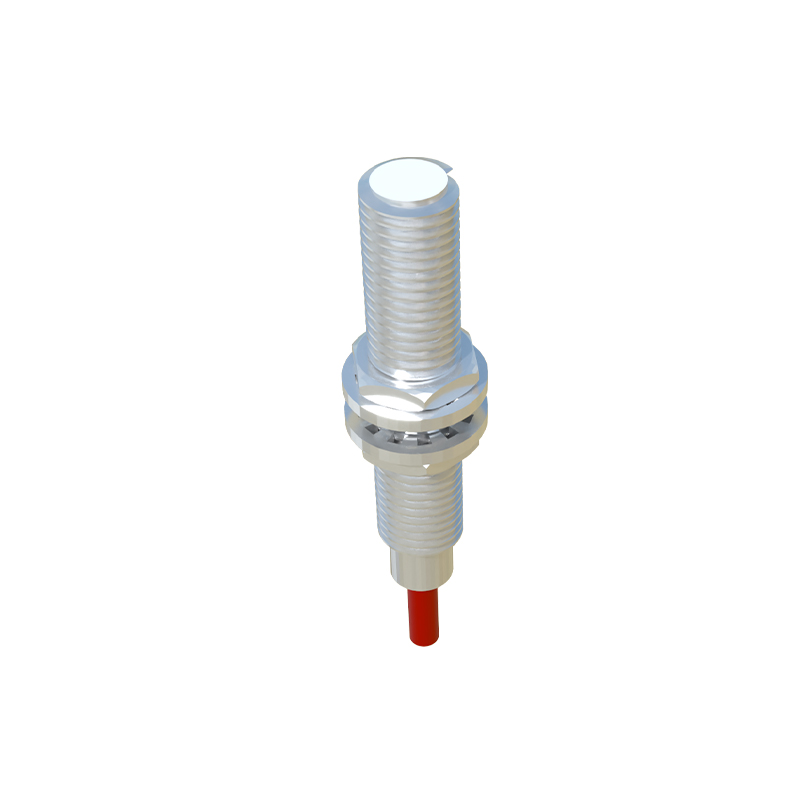
Common nut models and types include:
1. Hex Lock Nuts: The most prevalent type, featuring a standard hex shape for tool engagement. Models often incorporate a nylon insert (nyloc nut) or a deformed top section to provide prevailing torque and resist loosening under vibration. They are specified by thread size (e.g., M8, M12, M18), pitch, and material (often stainless steel A2/A4 or zinc-plated steel).
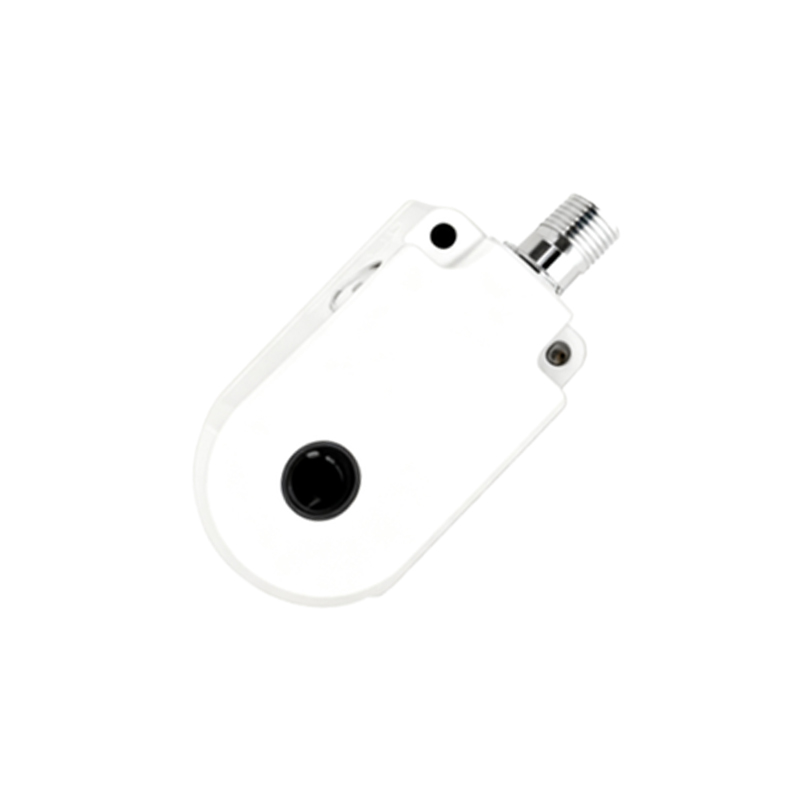
2. Flange Nuts: These integrate a wide flange at the base, which distributes the clamping force over a larger area. This model is excellent for mounting sensors to thinner sheet metal or plastic panels, preventing distortion and providing a more stable mount. The flange may also be serrated to bite into the surface, enhancing anti-rotation.
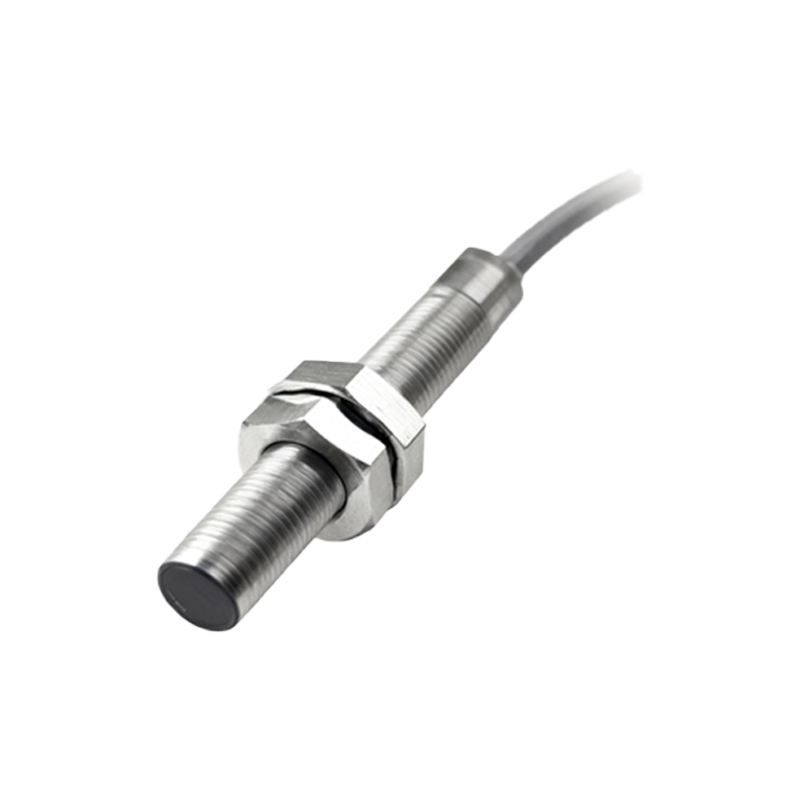
3. Cap Nuts (Acorn Nuts): Used primarily for aesthetic or safety reasons where the exposed threaded end of the sensor needs to be covered. While they secure the sensor, their closed end protects the thread from damage and prevents accidental contact.
4. Panel Mount Nuts (Clip Nuts): These are specialized models designed for quick installation into pre-punched or drilled panels without requiring tools on the nut side. They snap into place, allowing the sensor to be simply screwed in from the front. This model significantly reduces installation time in control panel assembly.
5. Specialized Locking Nuts: Some sensor manufacturers offer proprietary nut models with integrated locking mechanisms, such as set screws or chemical adhesives (e.g., pre-applied thread-locker patches). These are specified for high-vibration environments like heavy machinery or automotive applications.
Key specification parameters when selecting a nut model are:
Thread Specification: Must exactly match the sensor's male thread (e.g., M12x1.0). An incorrect pitch can cause cross-threading and strip the sensor housing.
Material and Finish: Corrosion resistance is paramount. Stainless steel (AISI 304/316) is standard for washdown or outdoor applications. Electro-zinc plating offers good general protection. Material choice also affects mechanical strength.
Torque Rating: Each nut model has a recommended installation torque. Over-torquing can crack sensor housings (especially in plastic-bodied sensors), while under-torquing leads to loosening. A calibrated torque wrench is recommended for critical installations.
Temperature Rating: The nut material must withstand the operational temperature range of the environment, which can affect the performance of nylon inserts in lock nuts.
Height and Width: Clearance issues in tight spaces may dictate the use of low-profile nuts or specific wrenching space requirements.
Selection best practices involve a holistic view of the application. For a stationary sensor in a clean control cabinet, a standard hex nut may suffice. For a sensor on a vibrating conveyor motor, a flange lock nut with a serrated base is advisable. In food and beverage plants requiring frequent hose-downs, a stainless steel model with high corrosion resistance is non-negotiable.
Furthermore, engineers should consult the sensor manufacturer's datasheet. Reputable manufacturers often specify or supply a recommended nut model, sometimes including it with the sensor. Using non-standard nuts can sometimes void warranties if installation damage occurs.
In conclusion, specifying the correct proximity sensor nut model is a detail-oriented task that directly impacts the longevity and accuracy of the sensing system. By understanding the different models—hex lock nuts, flange nuts, cap nuts, panel mount nuts, and specialized variants—and carefully evaluating parameters like thread size, material, and environmental conditions, electrical professionals can ensure robust, maintenance-free installations. This proactive approach in component selection mitigates risk and upholds the integrity of complex automated systems.