Proximity sensors are indispensable components in modern industrial automation, offering non-contact detection of metallic or non-metallic objects. Proper configuration is critical to ensure reliable operation, minimize false triggers, and extend sensor lifespan. This guide outlines key considerations and step-by-step procedures for optimal proximity sensor setup.
First, select the appropriate sensor type based on the application. Inductive sensors detect ferrous metals, while capacitive sensors handle non-metallic materials like wood or liquid. Ultrasonic and photoelectric sensors suit longer-range detection. Ensure the sensor’s sensing distance, frequency response, and environmental ratings (e.g., IP67 for dust/water resistance) match operational demands.
Mounting positioning significantly impacts performance. For inductive sensors, maintain a clearance of at least twice the rated sensing distance from surrounding metal surfaces to avoid interference. Align the sensor perpendicular to the target’s approach direction, and account for material thickness—thin or small objects may require reduced sensing ranges. Use brackets or adjustable mounts for fine-tuning.
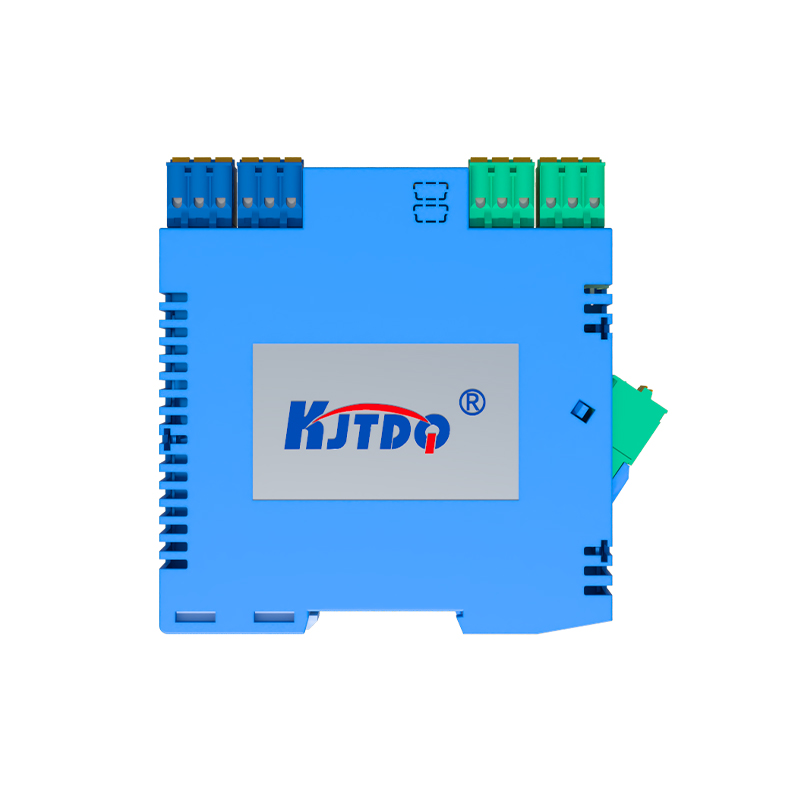
Wiring and electrical configuration demand attention to detail. Connect the sensor to a stable power supply within its specified voltage range (typically 10-30V DC). Shield cables in high-noise environments to prevent electromagnetic interference. For NPN or PNP output types, verify compatibility with the controller (PLC or relay). Configure output modes (normally open/closed) based on system logic, and integrate surge protectors if voltage spikes are possible.
Adjust sensitivity settings to balance detection accuracy and noise immunity. Most sensors feature potentiometers or teach-in functions for calibration. Test with the actual target material under operational conditions—factors like temperature fluctuations or surface coatings can affect readings. Implement hysteresis settings to prevent oscillation when targets hover near the detection threshold.
Regular maintenance ensures longevity. Periodically clean sensor faces from debris, oil, or dust buildup. Monitor output signals via diagnostic LEDs or PLC feedback to detect drift early. In harsh environments, consider protective housings or periodic recalibration.
By following these practices, engineers can optimize proximity sensor performance, enhancing system efficiency and reducing downtime in applications from conveyor systems to robotic assembly lines.