In the realm of industrial automation and material handling, the precise detection and monitoring of conveyor pipe and tube shapes is paramount for ensuring operational efficiency, safety, and system integrity. Proximity sensors, specifically engineered for this purpose, have become indispensable components in modern manufacturing and processing facilities. These sensors provide non-contact detection capabilities, crucial for applications involving the movement of fasteners, such as nails, screws, and rivets, through pneumatic or mechanical conveyor pipelines.
The fundamental principle behind a proximity sensor designed for pipe and tube shape detection is its ability to sense the presence or absence of an object without physical contact. Typically utilizing inductive, capacitive, or photoelectric technologies, these sensors can detect metallic or non-metallic objects based on the specific application requirements. In the context of conveyor systems for fasteners, inductive proximity sensors are predominantly employed due to their high reliability in detecting metallic objects like steel nails or screws. The sensor generates an electromagnetic field; when a metal object enters this field, it induces eddy currents, causing a change in the sensor's oscillation amplitude. This change is then converted into an electrical signal, triggering an output that can be used to count objects, verify passage, or detect jams.
Key design considerations for these sensors include sensing range, response frequency, environmental robustness, and form factor. For conveyor pipes, the sensor must be capable of detecting objects through often non-metallic pipe walls, which may necessitate specialized designs with extended sensing distances or shielded/non-shielded variants to prevent interference from the pipe material itself. The response frequency must be high enough to keep pace with the velocity of fasteners in the conveyor line, which can exceed several meters per second in high-speed automation systems. Environmental factors such as temperature extremes, humidity, dust, and potential exposure to oil or coolant splashes demand that sensors possess high ingress protection (IP) ratings, typically IP67 or higher, ensuring longevity and consistent performance in harsh industrial settings.
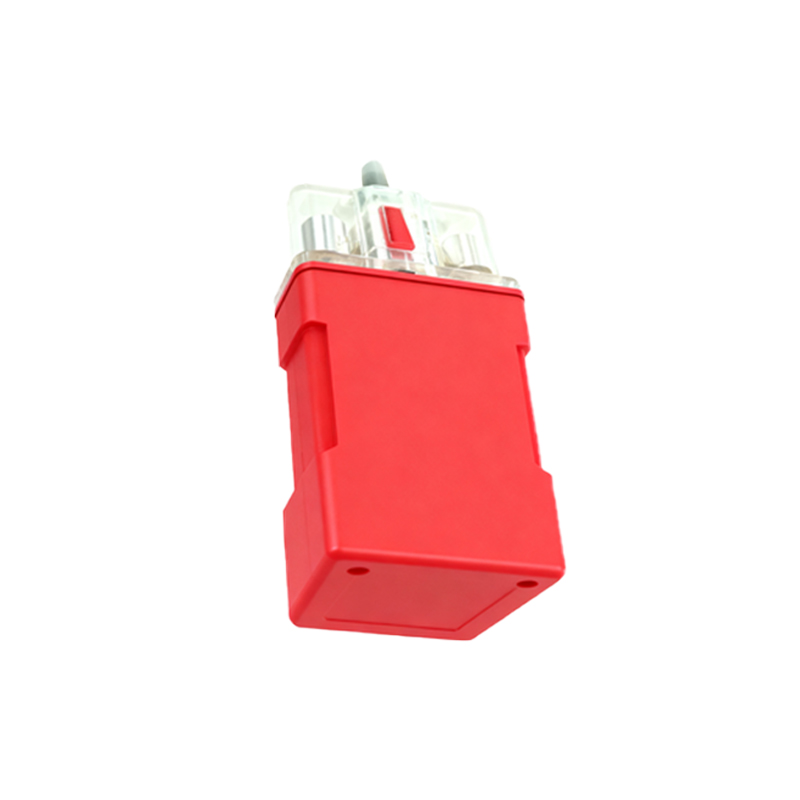
Installation and integration are critical phases. The sensor must be precisely positioned relative to the conveyor pipe to optimize detection accuracy. Common mounting configurations include flush mounting for limited space or non-flush mounting for increased sensing range. Alignment is vital to avoid false triggers or missed detections. Integration with Programmable Logic Controllers (PLCs) or other control systems is standard, where the sensor's digital (PNP/NPN) or analog output feeds into the broader automation network, enabling real-time monitoring and control. For instance, a series of these sensors can be deployed along a conveyor pipeline to track the movement of fasteners, identify blockages, and ensure even distribution to downstream assembly stations.
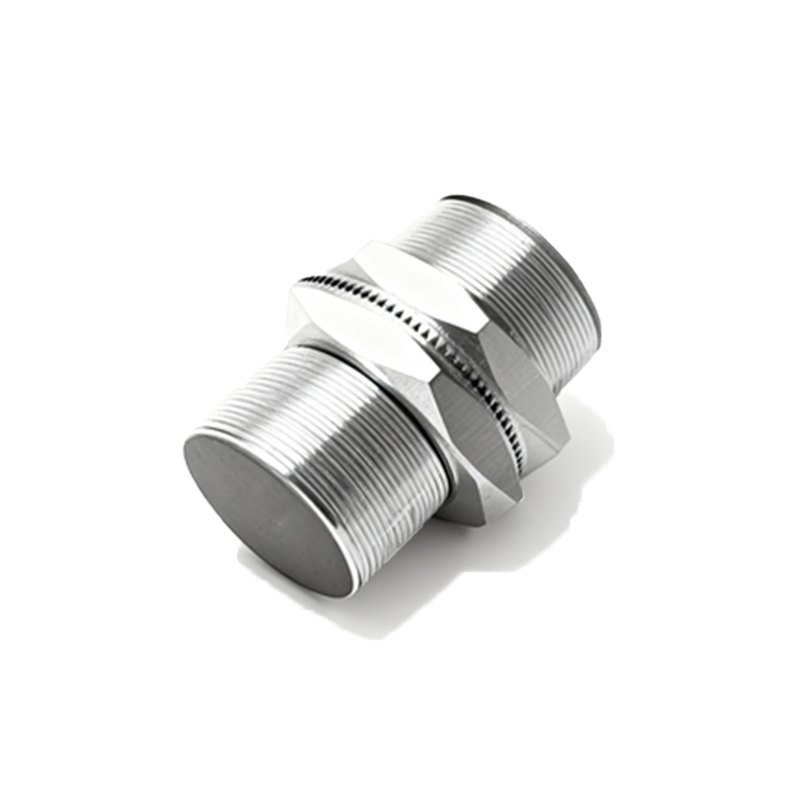
Advanced features in modern proximity sensors enhance their utility in pipe and tube applications. These include IO-Link communication for digital parameter setting, diagnostics, and condition monitoring, allowing for predictive maintenance and reduced downtime. Some sensors incorporate teach-in functionality for easy adjustment of sensing parameters on-site. Furthermore, models with built-in temperature compensation maintain stable performance despite ambient temperature fluctuations, a common challenge in industrial environments.
The benefits of implementing specialized proximity sensors in fastener conveyor systems are substantial. They significantly reduce the risk of line jams and subsequent production halts by providing early detection of irregularities. This leads to improved overall equipment effectiveness (OEE), lower maintenance costs, and enhanced product quality by ensuring the correct fastener reaches the correct point in the assembly process. Moreover, their non-contact nature eliminates mechanical wear, offering a maintenance-free solution compared to mechanical limit switches.
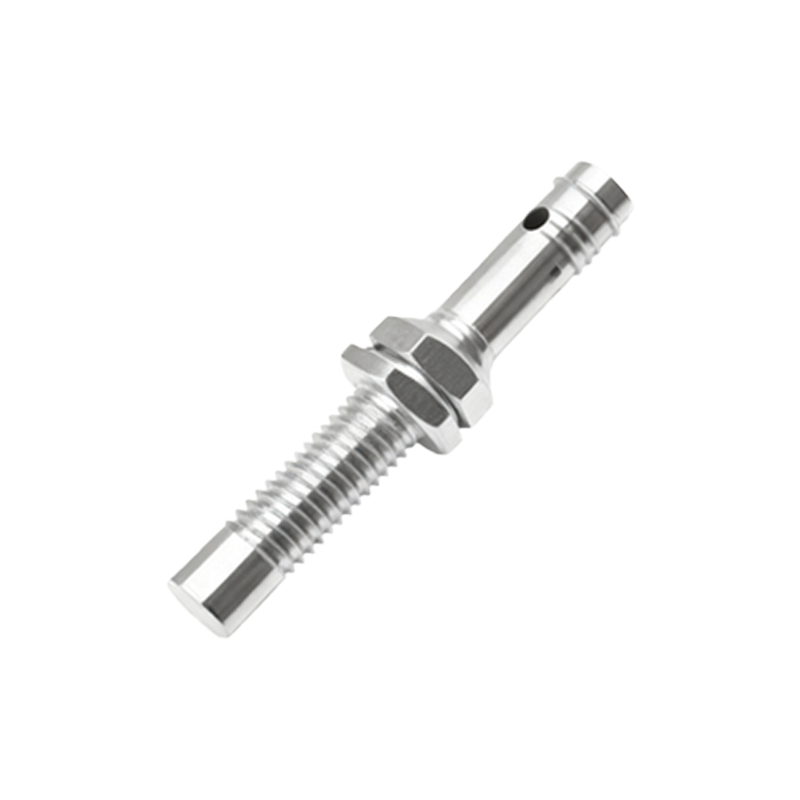
In conclusion, proximity sensors tailored for conveyor pipe and tube shape detection are sophisticated, reliable devices that form the backbone of automated fastener handling systems. Their ability to provide accurate, non-contact detection under demanding conditions makes them a critical investment for industries seeking to optimize their material flow, from automotive manufacturing and electronics assembly to construction and packaging. As Industry 4.0 progresses, the integration of smart sensor data with industrial IoT platforms will further elevate the role of these sensors in creating more resilient, efficient, and intelligent production ecosystems.