In the intricate world of industrial automation and machinery, proximity sensors serve as the silent sentinels, ensuring seamless operation and safety. Among the various types, the hourglass proximity sensor, named for its distinctive dual-coil, tapered shape reminiscent of an hourglass, is a critical component in many precision detection applications. When this sensor fails, it can lead to unexpected downtime, production errors, and potential safety hazards. This article delves into the common indicators, root causes, and diagnostic procedures for a damaged hourglass proximity sensor, providing a technical guide for maintenance engineers and technicians.
The primary function of an hourglass proximity sensor is to detect the presence or absence of a metallic target without physical contact, typically using an electromagnetic field generated by its dual-coil design. This specific construction allows for a focused sensing field, offering advantages in environments where precise positioning is paramount. A malfunctioning sensor, however, ceases to perform this basic duty reliably.
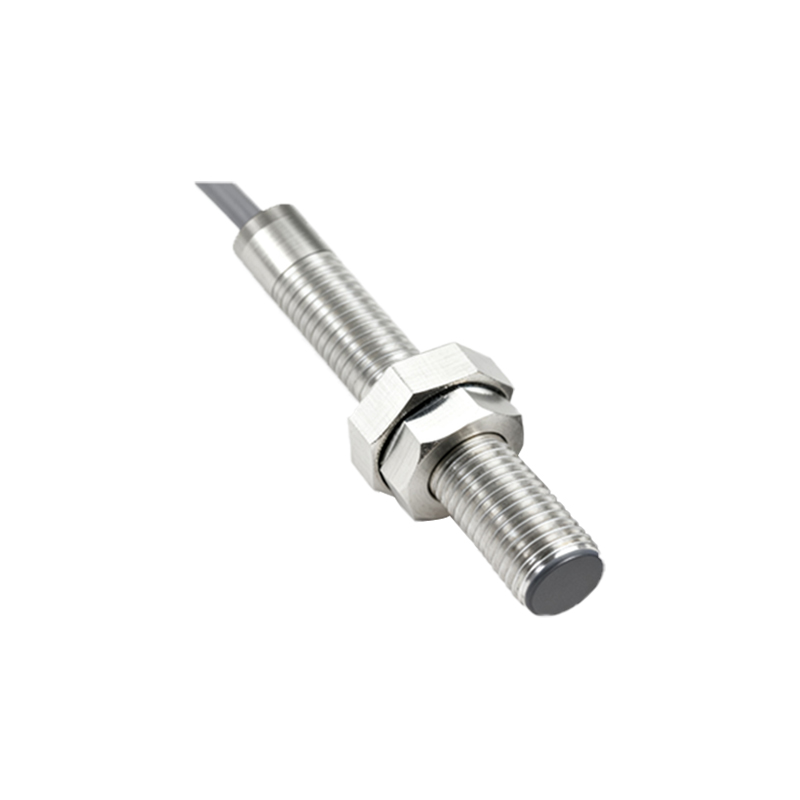
The symptoms of a damaged hourglass proximity sensor are often clear, though diagnosis requires systematic checking. The most obvious sign is a complete failure to detect a valid target within its specified sensing range. The machine's control system may register constant "object present" or "object absent" states regardless of the target's actual position. Intermittent operation is another red flag, where the sensor works sporadically, leading to erratic machine behavior. A noticeable degradation in sensing range—where the sensor only detects targets at a much closer distance than its rated specification—also points to internal component failure. In some cases, visual inspection might reveal physical damage to the sensor housing or its cable, but often the failure is internal and invisible.
Several factors can lead to the deterioration and eventual failure of an hourglass proximity sensor. Electrical overload, often from voltage spikes or incorrect power supply connections, is a leading cause. This can damage the oscillator circuit or the output switching components within the sensor. Environmental stressors play a significant role. Excessive heat from nearby machinery can degrade internal electronics and insulation. Accumulation of metallic dust or chips, common in machining environments, can adhere to the sensor's active face, dampening the electromagnetic field and causing false readings or reduced sensitivity. Mechanical shock and vibration, if beyond the sensor's specifications, can loosen internal connections, crack solder joints, or damage the ferrite core essential for its operation. Finally, general wear and tear over an extended operational lifespan can lead to the gradual failure of electronic components.
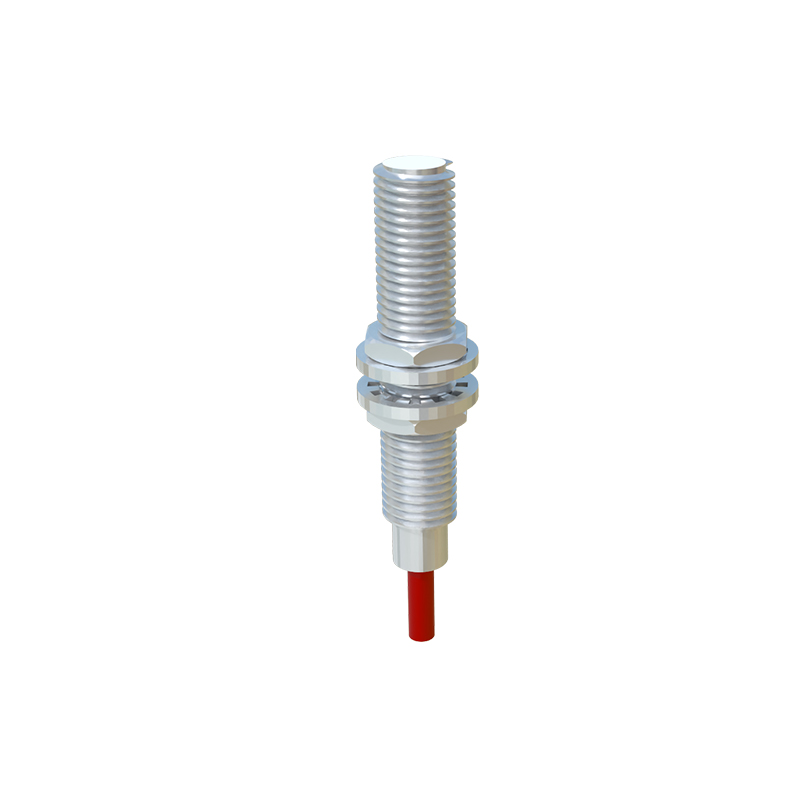
Diagnosing a suspected faulty sensor involves a methodical approach. First, always ensure the system is locked out and de-energized following proper safety protocols before any inspection. Begin with a basic visual and physical check for obvious damage, loose wiring, or corrosion on connectors. Verify the power supply voltage at the sensor's terminals with a multimeter to ensure it matches the sensor's requirements (e.g., 10-30V DC). Next, monitor the output signal. For a DC sensor, use the multimeter in voltage mode. When a target is presented, the output should switch states (e.g., from 0V to supply voltage for a PNP sensor). An oscilloscope can provide a clearer picture for dynamic response or noise issues. A functional test with a known good target at varying distances can confirm a reduced sensing range. It is also prudent to check the load connected to the sensor's output, as a short circuit in the load can damage the sensor's output stage.
If diagnostics confirm the hourglass proximity sensor is damaged, replacement is typically the most reliable course of action. These sensors are generally sealed units not intended for field repair. When installing a new sensor, ensure it is an exact match for the specifications of the original, including sensing distance, output type (PNP/NPN), housing material (e.g., stainless steel for harsh environments), and electrical ratings. Proper mounting, correct wiring, and environmental protection—such as using a protective guard or relocating the sensor away from extreme heat and debris—are crucial to prevent premature failure of the replacement unit.
In conclusion, a damaged hourglass proximity sensor disrupts the critical feedback loop in automated systems. Recognizing the symptoms, understanding the common causes of failure, and applying a structured diagnostic procedure are essential skills for maintaining operational continuity. Proactive measures, including regular inspection, adherence to environmental limits, and correct installation, significantly extend sensor life and enhance overall system reliability.