In the realm of industrial automation and electronic control systems, proximity sensors are indispensable components. They detect the presence or absence of objects without physical contact, relying on electromagnetic fields, infrared light, or ultrasonic waves. A common question among engineers, procurement specialists, and business managers is: "Are proximity sensors expensive to manufacture?" The answer is nuanced, as manufacturing costs are influenced by multiple factors including technology type, materials, precision requirements, and production scale.
Firstly, the type of sensing technology significantly impacts cost. Inductive proximity sensors, used for detecting metallic objects, are generally less expensive to produce compared to capacitive sensors (for non-metallic materials) or photoelectric sensors. This is because inductive sensors often involve simpler coil and oscillator circuits, whereas capacitive sensors require more sensitive circuitry to detect changes in capacitance, and photoelectric sensors need precise optical components like LEDs and phototransistors. Ultrasonic sensors, with their complex sound wave generation and reception modules, tend to be among the costliest. The choice of technology directly affects the bill of materials (BOM) and assembly complexity.
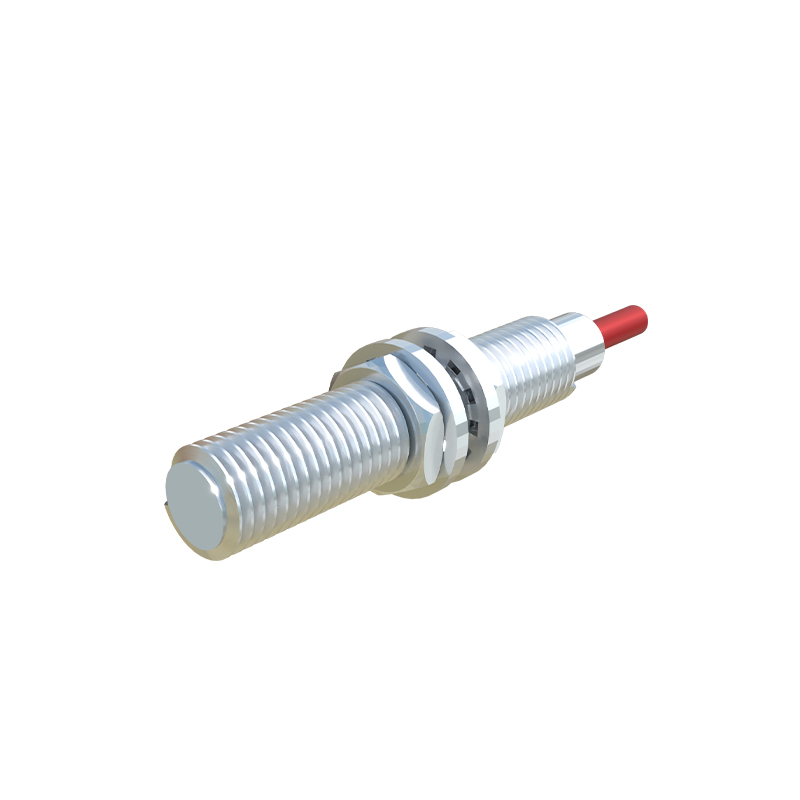
Material selection is another critical cost driver. High-quality housing materials, such as stainless steel or nickel-plated brass, enhance durability and resistance to harsh environments but increase raw material expenses. Internally, components like gold-plated contacts or specialized semiconductors can raise costs. For instance, sensors designed for extreme temperatures or corrosive conditions often incorporate premium alloys or advanced plastics, adding to the manufacturing overhead. Additionally, the trend toward miniaturization demands finer, more expensive materials and precise machining techniques.
Precision and performance specifications also play a pivotal role. Sensors with high repeatability, fast response times, or extended sensing ranges require tighter tolerances during manufacturing. This involves advanced calibration equipment, rigorous testing protocols, and sometimes custom-designed integrated circuits (ICs). For example, a proximity sensor with sub-millimeter accuracy necessitates sophisticated assembly lines and quality control measures, elevating production costs. Conversely, standard-range sensors for general applications are more cost-effective due to streamlined processes.
Production scale and automation level are economic factors that cannot be overlooked. Large-scale manufacturing typically reduces per-unit costs through economies of scale. Automated assembly lines minimize labor expenses and improve consistency, but they require substantial upfront investment in machinery and programming. For low-volume or custom sensor orders, costs are higher due to setup charges and manual labor. Many manufacturers balance this by offering modular designs that allow customization without completely retooling production lines.
Furthermore, compliance with industry standards and certifications adds to expenses. Proximity sensors used in safety-critical applications (e.g., automotive or aerospace) must meet stringent regulations like ISO 13849 or IEC 60947. Achieving these certifications involves additional testing, documentation, and sometimes redesigns, which are reflected in the final manufacturing cost. Similarly, sensors with IP67 or higher ingress protection ratings require specialized sealing processes, increasing production complexity.
In recent years, advancements in semiconductor technology and the adoption of Industry 4.0 practices have begun to mitigate some costs. Integrated sensor chips with built-in signal processing reduce component counts, while smart manufacturing techniques optimize supply chains and reduce waste. However, these innovations often require R&D investments that may initially keep prices elevated.
Overall, while basic proximity sensors can be relatively inexpensive to manufacture, high-performance or specialized variants entail significant costs. The key is to align sensor selection with application requirements—avoiding over-specification can lead to substantial savings. For businesses, partnering with experienced manufacturers who offer scalable solutions is crucial for managing expenses without compromising on reliability.
In conclusion, the manufacturing cost of proximity sensors is not a fixed value but a variable influenced by technological choices, materials, precision needs, scale, and compliance. By understanding these factors, industry professionals can make informed decisions that balance cost and functionality effectively.