Proximity sensors are indispensable components in modern industrial automation, serving as the primary interface for non-contact detection of objects. Their ability to function reliably in harsh environments—free from physical wear and tear—makes them superior to mechanical limit switches. This article delves into the core sensor technologies employed in proximity switches, analyzing their operating principles, key characteristics, and optimal application scenarios.
The most prevalent technology in industrial settings is the Inductive Proximity Sensor. These sensors generate an electromagnetic field using a coiled oscillator circuit. When a metallic object enters this field, eddy currents are induced within the object, causing a change in the oscillation amplitude. This change is detected by the sensor's circuitry, triggering an output signal. Inductive sensors are exclusively for detecting metals, with their effective sensing range (the nominal sensing distance, Sn) being influenced by the target's material. For instance, steel is detected at 100% of Sn, while aluminum or copper may be detected at a reduced percentage (e.g., 30-40% of Sn). Key advantages include high switching frequency, robustness against dirt, dust, and moisture (often featuring IP67 or higher ratings), and insensitivity to non-metallic materials. They are the workhorses in machine tools, robotic cells, and conveyor systems for part presence verification, position counting, and end-of-travel detection.
For applications requiring detection of non-metallic objects, Capacitive Proximity Sensors are the solution. They operate on a similar principle but utilize the target object as a dielectric to alter the capacitance of the sensor's front plate. Essentially, they can detect any material that affects the electrostatic field—liquids, plastics, wood, glass, and granular substances. This makes them ideal for level detection in tanks (liquid or powder), material handling of cardboard boxes, and detecting filled containers on packaging lines. Their sensitivity is often adjustable, which is a double-edged sword; it allows tuning for specific materials but can also make them susceptible to false triggers from environmental changes like humidity or condensation. Proper shielding and installation are critical.
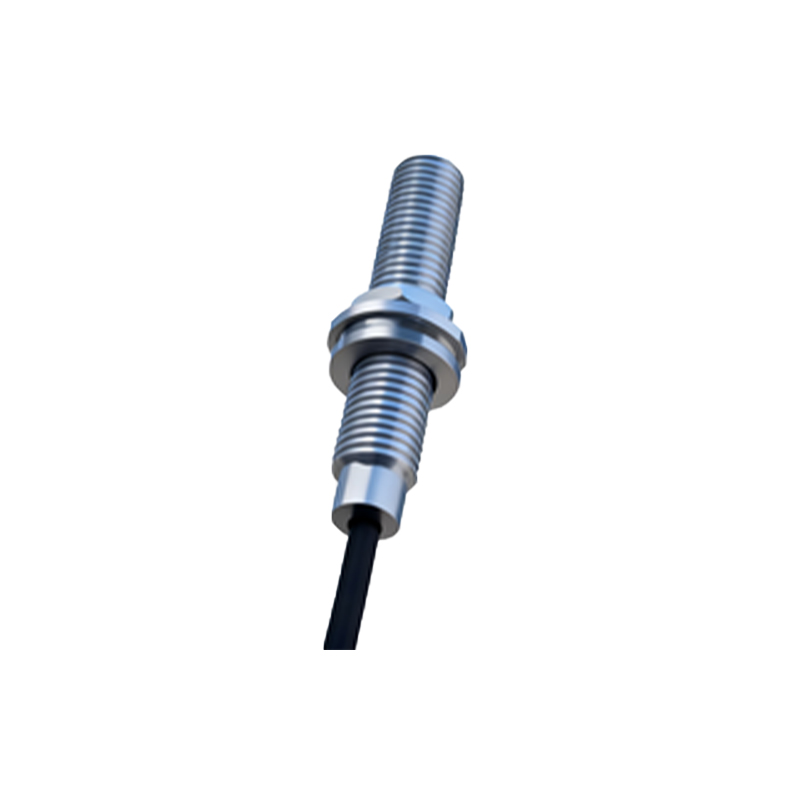
Magnetic Proximity Sensors, specifically reed switch or Hall-effect based sensors, detect the presence of a permanent magnet. They are simple, cost-effective, and consume very little power. The reed switch type uses two ferromagnetic reeds sealed in a glass tube; an external magnetic field causes the reeds to attract and close the contact. Hall-effect sensors are solid-state devices that output a voltage in response to a magnetic field. Their primary application is in detecting the position of cylinder pistons (using embedded magnets), door/window closure in safety systems, and low-speed rotational sensing. They are highly reliable for binary position feedback but require a magnet to be attached to the target.
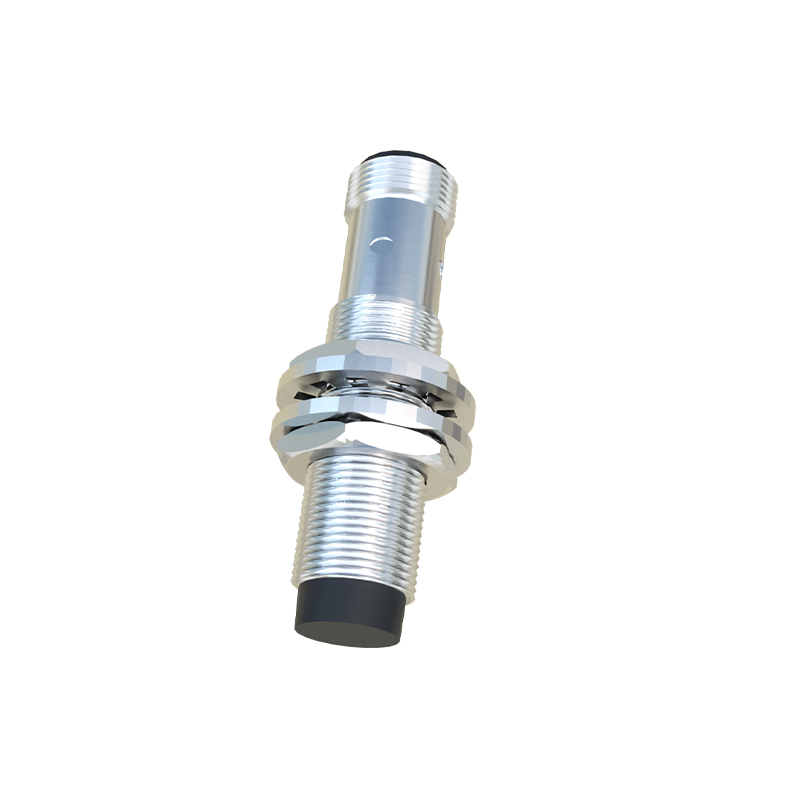
A fourth, highly precise category is the Photoelectric Sensor, often used in proximity-mode configuration. In this mode, the emitter and receiver are housed in the same unit. The sensor detects an object when it reflects the emitted light beam (usually infrared, visible red, or laser) back to the receiver. Diffuse reflective sensors are the true "proximity" type, sensing the object itself. While they offer longer ranges and can detect virtually any material, their performance can be affected by the object's color, reflectivity, and surface texture. They are common in transparent bottle detection, small part assembly verification, and where longer sensing distances are needed beyond the range of inductive or capacitive sensors.
Selecting the right sensor technology hinges on a clear understanding of the application parameters: Target Material (metal, plastic, liquid), Required Sensing Distance, Operating Environment (temperature, presence of contaminants), Electrical Requirements (AC/DC, output type: PNP/NPN, NO/NC), and Required Response Speed. Inductive sensors reign for metallic targets in dirty environments. Capacitive sensors handle diverse materials but demand careful setup. Magnetic sensors offer simple, low-power solutions for magnetized targets. Photoelectric sensors provide versatility and range but with potential environmental sensitivity.
In conclusion, the "best" proximity sensor does not exist; only the most appropriate one for a given task. A thorough analysis of the target, environment, and performance requirements will guide the engineer to the optimal choice, ensuring reliable, maintenance-free operation that enhances system efficiency and safety. The ongoing evolution towards miniaturization, IO-Link digital communication for diagnostics and parameter setting, and enhanced resistance to electromagnetic interference continues to push the boundaries of what these versatile devices can achieve.