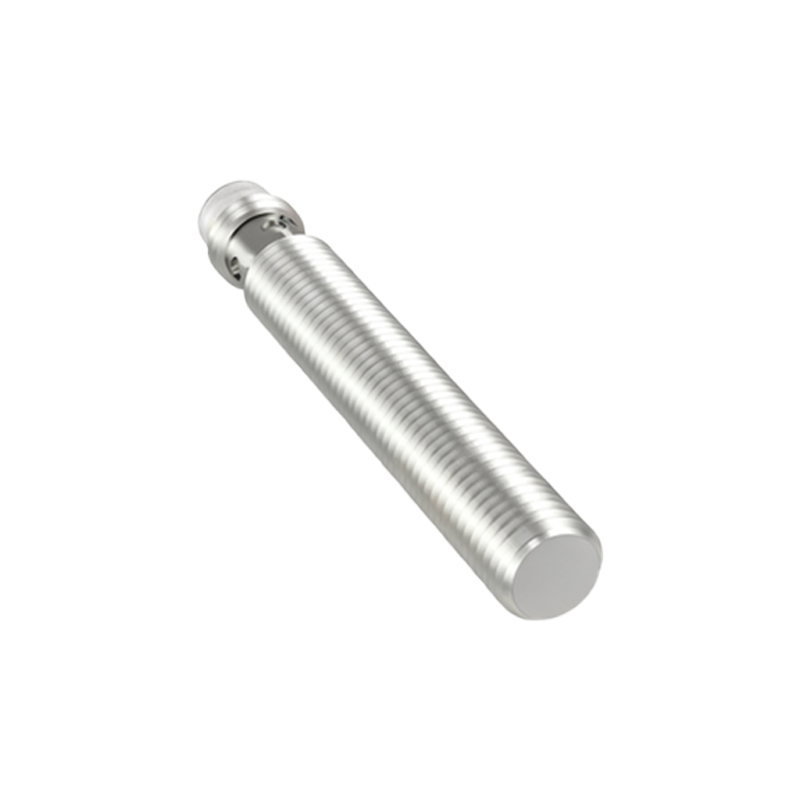
Proximity switch embedded sensors, often referred to as "flush-mountable" or "non-flush" proximity sensors, are fundamental components in modern industrial automation and control systems. These devices are designed to detect the presence or absence of a target object without any physical contact, relying on electromagnetic fields, capacitive effects, or inductive principles. The term "embedded" or "flush-mountable" specifically denotes their installation method: these sensors can be mounted flush with or embedded into a metal bracket or mounting surface without compromising their sensing capabilities or causing interference. This design is a critical distinction from non-embedded (non-flush) sensors, which require a clear space around their sensing face to operate correctly.
The core operating principle for the most common type—inductive embedded proximity sensors—involves generating an oscillating electromagnetic field from a coil within the sensor. When a metallic target (such as steel, aluminum, brass, or copper) enters this field, eddy currents are induced on the target's surface. This causes a change in the oscillation amplitude within the sensor, which is detected by an internal circuit. The circuit then triggers a solid-state switch to change its output state, sending a signal to a programmable logic controller (PLC) or other control unit. The embedded design incorporates shielding around the sides of the sensing coil. This shielding focuses the electromagnetic field directly forward from the sensing face, preventing the metal of the mounting surface from being detected. Consequently, the sensor can be installed flush in metal without the metal mount itself being mistaken for a target, eliminating the need for a stand-off distance.
The advantages of using embedded proximity sensors are numerous and directly address key challenges in machinery design. First and foremost is space savings. In compact machine designs where every millimeter counts, the ability to mount the sensor flush eliminates the need for extra clearance, allowing for more streamlined and dense packaging of components. Secondly, they offer enhanced mechanical protection. Being recessed or flush-mounted, the sensor's housing and particularly its sensing face are less exposed to accidental impacts, abrasion, or damage from flying debris, which is common in harsh industrial environments like stamping presses, machining centers, and material handling systems. This leads to increased durability and a longer operational lifespan. Furthermore, embedded sensors simplify installation and maintenance. The installation process is more straightforward as there is no need to calculate and maintain a precise stand-off distance from the mounting surface, reducing assembly time and potential human error.
When selecting an appropriate embedded proximity sensor for an application, engineers must consider several technical specifications. Sensing range, typically specified for a standard mild steel target, is a primary factor. Embedded sensors generally have a shorter sensing range compared to their non-embedded counterparts due to the shielding effect. Common ranges vary from 1 to 15 millimeters, depending on the sensor's diameter and technology. The target material also significantly influences performance. While inductive sensors primarily detect metals, the sensing distance for non-ferrous metals like aluminum or copper is often reduced compared to ferrous steel. Engineers must consult correction factors provided in datasheets. Other critical parameters include the sensor's housing material (often nickel-plated brass or stainless steel for corrosion resistance), output type (PNP/NPN, NO/NC), supply voltage (commonly 10-30V DC), and environmental ratings such as IP67 or IP69K for protection against dust and water ingress.
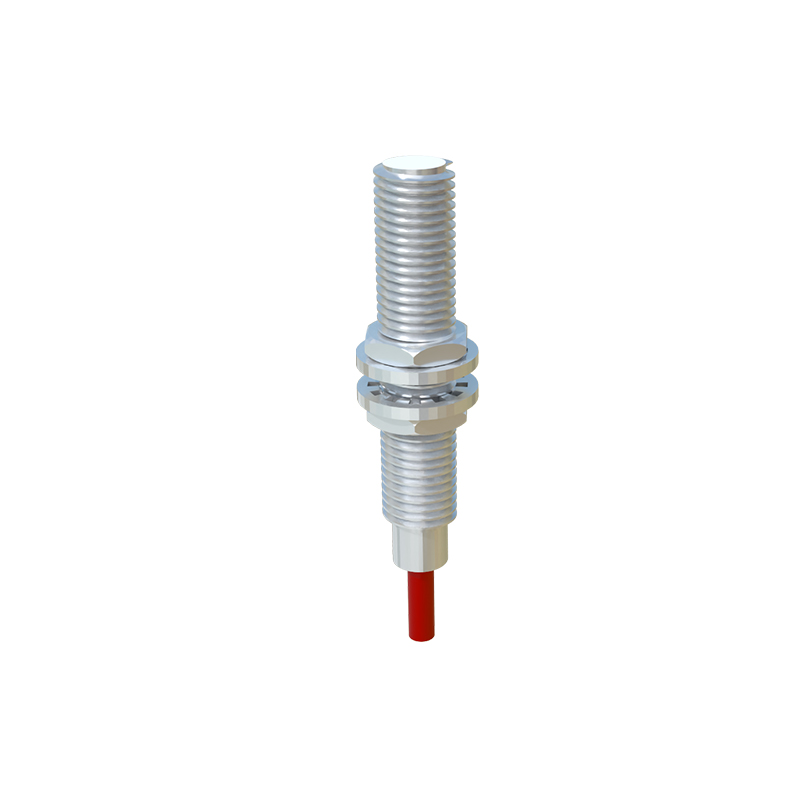
Typical applications for embedded proximity sensors are vast across automation. They are extensively used for precise end-position detection of cylinders in pneumatic and hydraulic systems, where they are mounted directly into the cylinder's aluminum or steel body. In rotary systems, they detect the presence of gear teeth, encoder flags, or specific positions on a rotating shaft. They serve as vital components in automated assembly lines for part presence verification, counting, and ensuring correct positioning before a process step is initiated. Within packaging machinery, they detect metallic components on moving chains or verify the closed position of metal latches and gates.
In conclusion, proximity switch embedded sensors represent a sophisticated and practical solution for reliable object detection in space-constrained and mechanically demanding industrial environments. Their shielded, flush-mount design provides a robust combination of installation flexibility, physical protection, and operational reliability. A thorough understanding of their operating principles, advantages, and selection criteria is essential for control system engineers and designers to optimize machine performance, ensure safety, and enhance the overall efficiency of automated systems. As Industry 4.0 and smart manufacturing evolve, these sensors continue to be indispensable building blocks, providing the critical digital signals that drive automated decision-making and process control.