In industrial environments where flammable gases, vapors, or combustible dusts are present, safety is not merely a priority—it is an absolute mandate. Among the critical components ensuring operational integrity in such hazardous locations are explosion-proof proximity sensors. These specialized devices are engineered to detect the presence or absence of an object without physical contact, all while containing any potential ignition source within their robust housings to prevent catastrophic events.
The fundamental principle behind an explosion-proof proximity sensor is its ability to operate in a classified hazardous area without becoming an ignition source. These areas are typically defined by standards such as the IECEx system, ATEX Directive in Europe, or NEC classifications in North America (e.g., Class I, Division 1 for gases; Class II, Division 1 for dusts). An explosion-proof enclosure is designed to withstand an internal explosion of specified gases or vapors and to prevent the ignition from propagating to the surrounding atmosphere. This is achieved through meticulously engineered flame paths, robust construction materials like stainless steel or brass, and stringent sealing.
Common sensing technologies employed include inductive, capacitive, and magnetic (reed or Hall effect) types. Inductive sensors are predominant for detecting metallic objects, utilizing an electromagnetic field. Their explosion-proof variants are encased in housings that can endure high pressures. Capacitive sensors can detect both metallic and non-metallic materials and are often used in level detection applications. Magnetic sensors are frequently utilized for position sensing in cylinders or valves. Regardless of the technology, the core challenge remains: packaging the sensitive electronics in a way that prevents any spark or thermal effect from escaping.
Key design considerations go beyond mere containment. Factors such as temperature ratings (T-rating) are crucial; the sensor's surface temperature must never exceed the auto-ignition temperature of the specific gas or dust in the environment. Protection ratings like IP67 or IP69K ensure resistance against dust and water ingress, which is vital for harsh industrial settings. Furthermore, the electrical connections and cable entries must be via certified explosion-proof conduits or cable glands to maintain the integrity of the system.
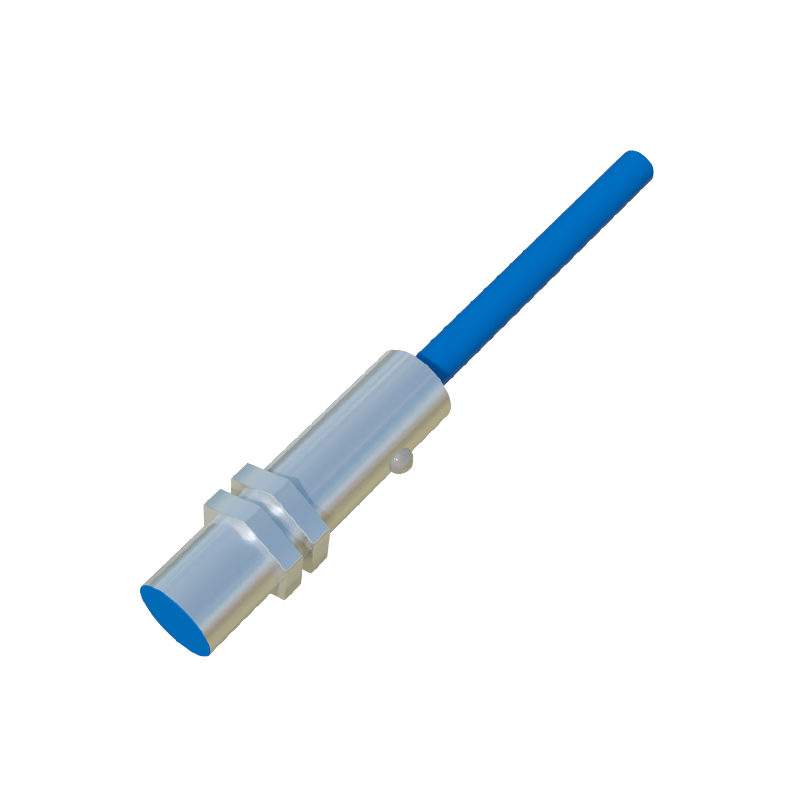
The applications for these sensors are vast and critical. They are indispensable in oil and gas refineries, chemical processing plants, pharmaceutical manufacturing, grain handling and storage facilities, paint spray booths, and mining operations. Typical uses include position detection of valves and actuators, level control in tanks containing flammable liquids, machine guarding on equipment in hazardous zones, and monitoring rotational speed on motors and pumps. Their reliable, non-contact operation minimizes wear and tear and reduces maintenance needs in often inaccessible or dangerous locations.
Selecting the right explosion-proof proximity sensor requires a thorough analysis of the hazardous area classification, the nature of the target material, required sensing distance, environmental conditions (temperature, pressure, chemical exposure), and the necessary electrical output (e.g., PNP/NPN, analog, IO-Link). Compliance with relevant international and regional certifications is non-negotiable. Modern advancements are integrating smart sensor features, such as diagnostic capabilities and digital communication protocols, which aid in predictive maintenance and enhance overall plant safety intelligence.
Installation and maintenance, while following similar principles to standard sensors, demand heightened diligence. Only trained personnel should handle installation, ensuring all seals are intact and torque specifications for enclosures and cable glands are strictly adhered to. Regular inspections for physical damage, corrosion, or seal degradation are essential to preserve the explosion-proof integrity over the sensor's lifecycle.
In conclusion, explosion-proof proximity sensors represent a sophisticated fusion of sensing technology and safety engineering. They are not just components but vital guardians in hazardous industrial ecosystems. By providing reliable, non-contact detection while rigorously preventing ignition, they form an indispensable layer of protection, safeguarding personnel, assets, and continuity of operations in some of the world's most challenging work environments. Their continued evolution, driven by stricter safety standards and Industry 4.0 integration, will further solidify their role as pillars of industrial safety and efficiency.