Photoelectric proximity sensors are indispensable components in modern industrial automation, offering non-contact detection capabilities for a wide range of applications. These sensors operate based on the fundamental principles of light emission, reflection, and reception, enabling precise object detection without physical contact. The core mechanism involves an emitter that projects a light beam—typically infrared, visible red, or laser—and a receiver that detects changes in the light pattern. When an object enters the sensor's detection zone, it alters the light's behavior, triggering an output signal for control systems.
There are three primary sensing modes: through-beam, retro-reflective, and diffuse reflective. Through-beam sensors consist of separate emitter and receiver units placed opposite each other. Detection occurs when an object interrupts the light beam between them. This mode offers the longest sensing distances and high reliability, as it is less affected by object color or surface texture. However, installation requires precise alignment and more wiring. Retro-reflective sensors integrate both emitter and receiver in one housing, using a reflector to bounce light back. An object is detected when it blocks the reflected beam. These sensors provide moderate range and are easier to install than through-beam types, but may struggle with shiny objects that inadvertently reflect light. Diffuse reflective sensors rely on light bouncing directly off the target object. The emitter and receiver are housed together, and detection depends on the object's reflectivity. While compact and simple to set up, their range is shorter and performance can vary with object color or surface properties.
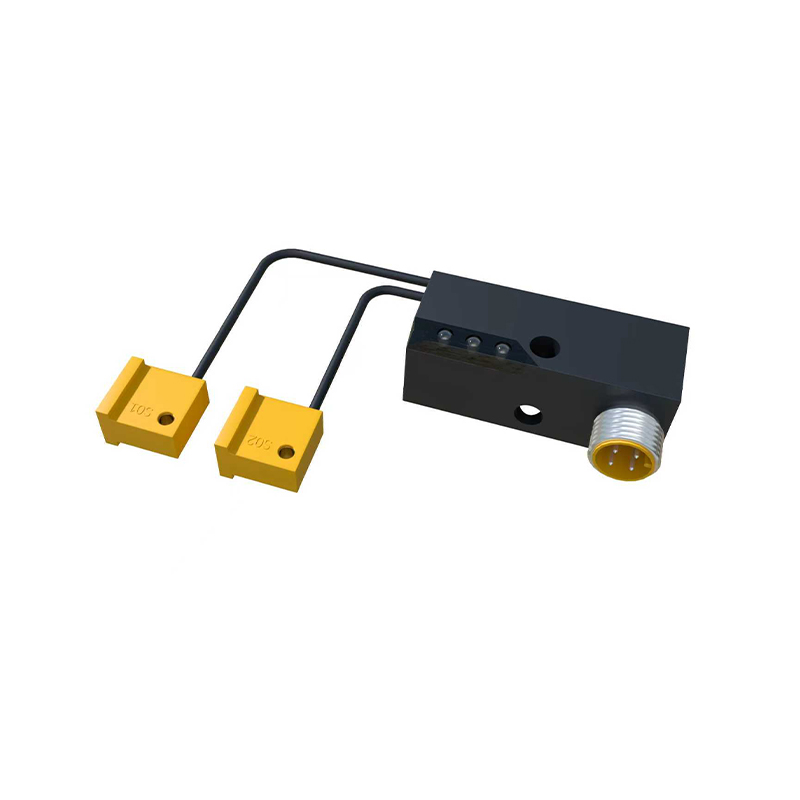
Advanced photoelectric sensors incorporate modulated light signals to enhance immunity to ambient light interference. By pulsing the emitted light at a specific frequency and tuning the receiver to that frequency, these sensors can distinguish their own signal from background illumination, ensuring stable operation in challenging environments. Additionally, background suppression techniques in diffuse sensors use triangulation to define a precise detection zone, ignoring objects beyond a set distance. This is particularly useful in applications requiring accurate positioning or ignoring conveyor backgrounds.
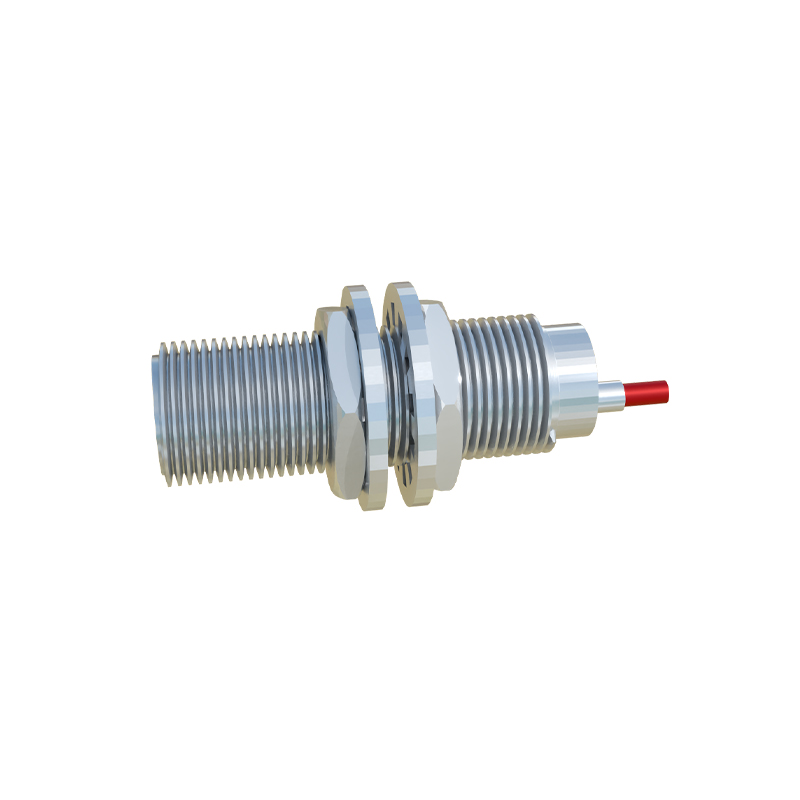
Key performance parameters include sensing distance, response time, and environmental durability. Sensing distance varies by mode: through-beam sensors can detect objects several meters away, while diffuse types are limited to shorter ranges. Response times are typically in the microsecond range, enabling high-speed detection for fast-moving production lines. Engineers must also consider factors like operating temperature, ingress protection ratings, and housing materials to ensure reliability in harsh industrial settings.
Applications span across manufacturing, packaging, material handling, and safety systems. In assembly lines, photoelectric sensors count products, detect jams, or verify part presence. They enable precise positioning in robotics and automate door operations. Their non-contact nature makes them ideal for detecting fragile or sensitive items. As Industry 4.0 evolves, these sensors increasingly integrate with IoT platforms, providing real-time data for predictive maintenance and process optimization. Understanding their working principle empowers engineers to select and deploy the right sensor, enhancing system efficiency and reliability.