In the world of industrial automation and electronic design, the terms "proximity sensor" and "distance sensor" are frequently used, often leading to the question: Is a proximity sensor truly a distance sensor? While they share conceptual similarities, a nuanced technical distinction exists. Fundamentally, a proximity sensor is a device that detects the presence or absence of an object within a specific, predefined range without physical contact. Its primary output is typically a binary signal: ON when an object is within this detection zone, and OFF when it is not. A distance sensor, or distance measuring sensor, on the other hand, provides continuous, analog, or digital data representing the precise spatial gap between the sensor and the target object.
The core function of a proximity sensor is presence detection, not precise measurement. Common types include inductive, capacitive, and photoelectric sensors. An inductive proximity sensor, for instance, generates an electromagnetic field and detects the eddy current losses caused by a metallic target entering its field. It triggers a switch when the disturbance reaches a certain threshold, but it does not report whether the object is 2mm or 5mm away, only that it is "close enough" to be detected. Similarly, a capacitive sensor reacts to changes in capacitance caused by any material, and a photoelectric sensor detects the interruption or reflection of a light beam. Their design is optimized for reliability, speed, and environmental robustness in binary detection tasks.
True distance sensors, such as ultrasonic sensors, laser rangefinders (LiDAR), and some advanced time-of-flight (ToF) sensors, operate on different principles. They actively emit a signal (sound, light) and measure the time it takes for the reflection to return. This time-of-flight data is then calculated into a precise distance value. Their output is a variable representing millimeters, centimeters, or meters. These sensors are essential for applications like robotic navigation, level measurement in tanks, or dimensional inspection, where the exact position is critical.
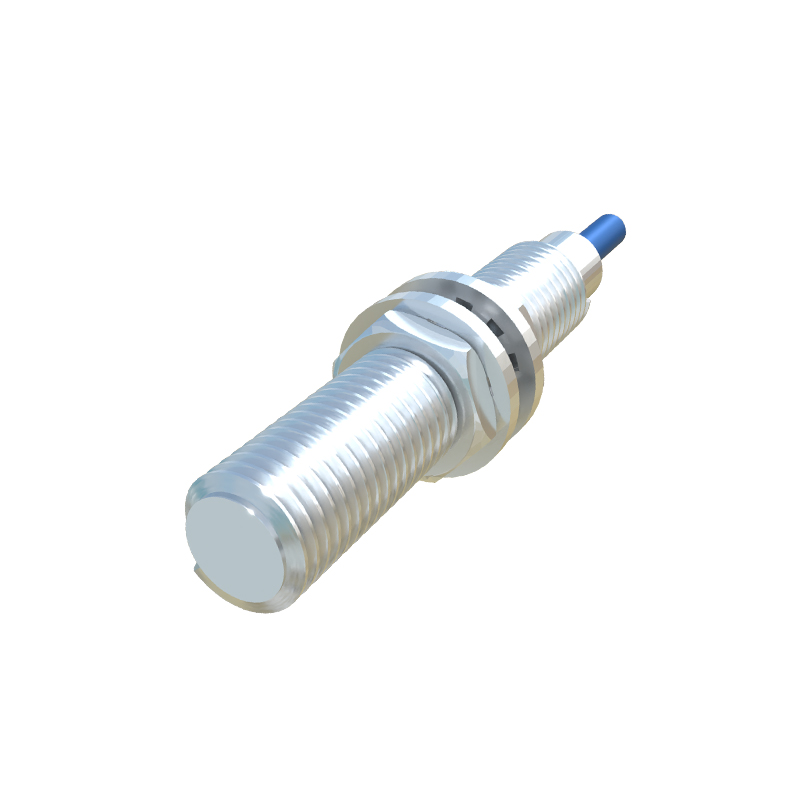
However, the line can blur. Some modern "proximity sensors" incorporate analog output options. For example, an analog inductive sensor can provide a voltage or current signal that changes proportionally with the distance to the target within a limited range. This allows for rudimentary distance sensing, such as detecting the thickness of a metal sheet or the position of a actuator. Yet, their linearity, accuracy, and range are generally inferior to dedicated distance measuring sensors. They are often used for short-range, cost-sensitive applications where approximate position is needed alongside the primary detection function.
The choice between a standard proximity sensor and a dedicated distance sensor hinges entirely on the application requirement. Use a standard proximity sensor when the need is for:
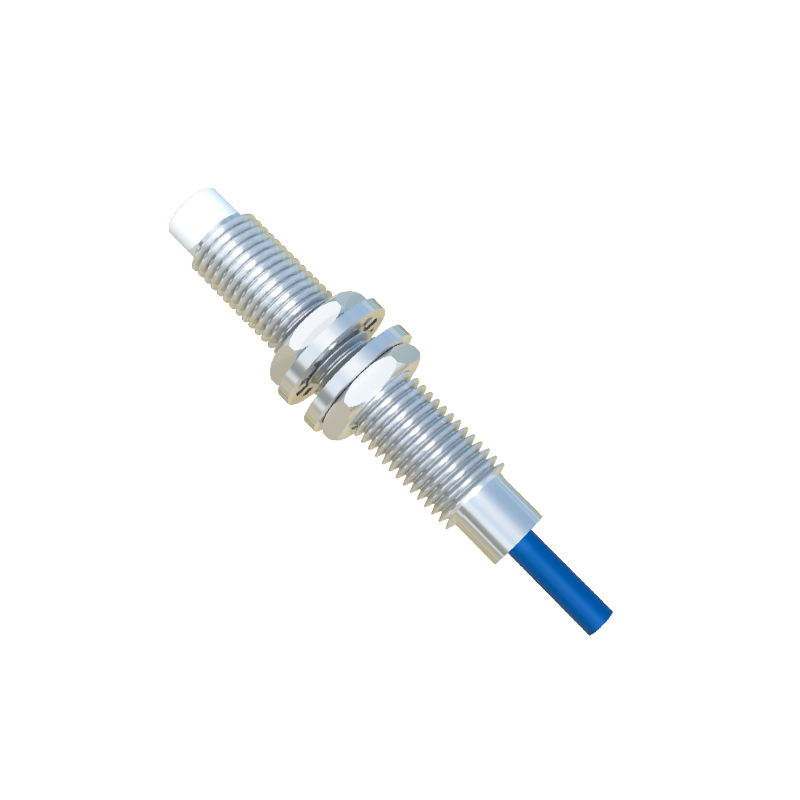
- Object detection for counting, positioning, or end-of-travel limits.
- High-speed switching in assembly lines.
- Detecting objects in harsh environments (oil, dust) where contact is undesirable.
- Simple, cost-effective presence verification.
Opt for a dedicated distance measuring sensor when the application demands:
- Precise measurement of gap, thickness, or height.
- Continuous monitoring of position for control feedback (e.g., following a contour).
- Mapping or navigation in autonomous systems.
- Applications where the exact location, not just presence, informs the process logic.
In conclusion, while all distance sensors can function as proximity detectors (by setting a threshold on their measured value), not all proximity sensors are capable of true distance measurement. The term "proximity sensor" primarily denotes a switch-like device for detection, whereas "distance sensor" denotes a measuring device. Understanding this key operational difference—detection versus measurement—is crucial for selecting the right sensor technology to ensure system efficiency, accuracy, and cost-effectiveness in any electrical or automation engineering project.