Proximity sensors are widely used in industrial automation for non-contact detection of metallic or non-metallic objects. Among various configurations, the 3-wire proximity sensor is one of the most common types due to its straightforward wiring and reliable performance. This article provides a detailed guide on the 3-wire connection method, including a clear diagram and practical wiring instructions.
A typical 3-wire proximity sensor consists of three distinct wires: brown, blue, and black. The brown wire is designated for the positive supply voltage (typically +24V DC in industrial settings), while the blue wire connects to the common ground (0V). The black wire serves as the output signal line, which switches state based on the detection of a target object. Depending on the sensor type, the output can be either normally open (NO) or normally closed (NC), and it may source (PNP) or sink (NPN) current.
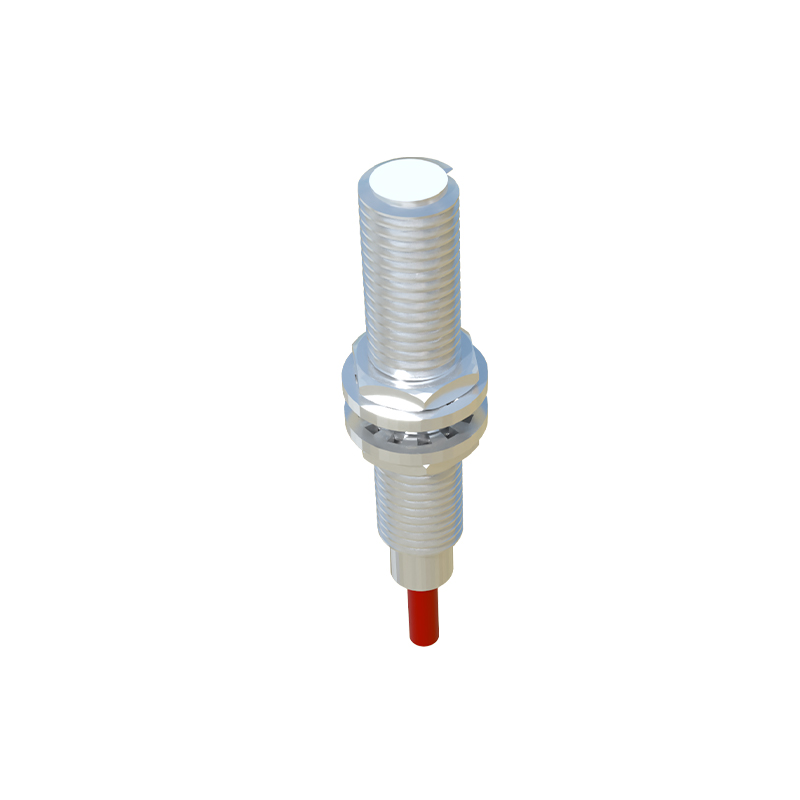
To ensure proper operation, follow these wiring steps:
1. Connect the brown wire to the positive terminal of the DC power supply.
2. Connect the blue wire to the negative terminal of the power supply.
3. Connect the black wire to the input of the controller, such as a PLC (Programmable Logic Controller) or relay.
4. Verify the power supply voltage matches the sensor's rated voltage (commonly 10-30V DC).
5. Ensure the load connected to the output does not exceed the sensor's maximum current rating.
A connection diagram visually illustrates these steps. In the diagram, the power supply is represented with clear polarity markings, and the sensor's output is shown linked to a load device. For PNP sensors, the output provides positive voltage when activated, while NPN sensors switch the ground connection. It is crucial to select the correct type based on the control system requirements.
When installing the sensor, consider environmental factors such as temperature, humidity, and exposure to chemicals. Mount the sensor securely, maintaining the specified sensing distance from the target. Avoid placing metallic objects near the sensing face to prevent false triggers. Regular maintenance, including cleaning the sensor surface and checking wire integrity, enhances longevity and reliability.
In summary, the 3-wire proximity sensor offers a simple yet effective solution for object detection. By adhering to the wiring diagram and guidelines, engineers can ensure optimal performance and minimize downtime in automated systems. Always refer to the manufacturer's datasheet for specific details regarding wire colors, voltage ratings, and output characteristics.