Laser switch sensors are pivotal components in modern industrial automation, offering high precision, reliability, and versatility in various applications. These sensors operate based on the principle of optical triangulation or time-of-flight measurement, depending on the specific type and design. In essence, a laser switch sensor emits a focused beam of light, typically from a laser diode, toward a target object. When the object interrupts or reflects this beam, the sensor detects the change in light intensity or phase, triggering an output signal that can be used for control, monitoring, or safety purposes.
One common type is the through-beam laser sensor, which consists of separate transmitter and receiver units. The transmitter projects a continuous laser beam to the receiver. If an object passes between them, blocking the beam, the receiver detects the absence of light and sends a signal to indicate the presence of the object. This configuration is ideal for long-range detection and high-speed applications, such as in conveyor systems or packaging lines, where accuracy is critical. Another variant is the retro-reflective sensor, which uses a single unit that both emits and receives light. A reflector placed opposite the sensor bounces the laser beam back. When an object interrupts the path, the sensor detects the loss of reflected light. This setup simplifies installation and is cost-effective for medium-range tasks.
Diffuse reflective sensors, on the other hand, rely on the reflection of light directly from the target object itself. The sensor emits a laser beam, and if an object is within range, some light scatters back to the receiver. By analyzing the intensity or angle of the returned light, the sensor can determine the object's presence or distance. This type is suitable for applications where placing a separate receiver or reflector is impractical, such as in robotic guidance or material handling. Advanced models incorporate background suppression technology, which ignores reflections from surfaces beyond a set distance, enhancing accuracy in cluttered environments.
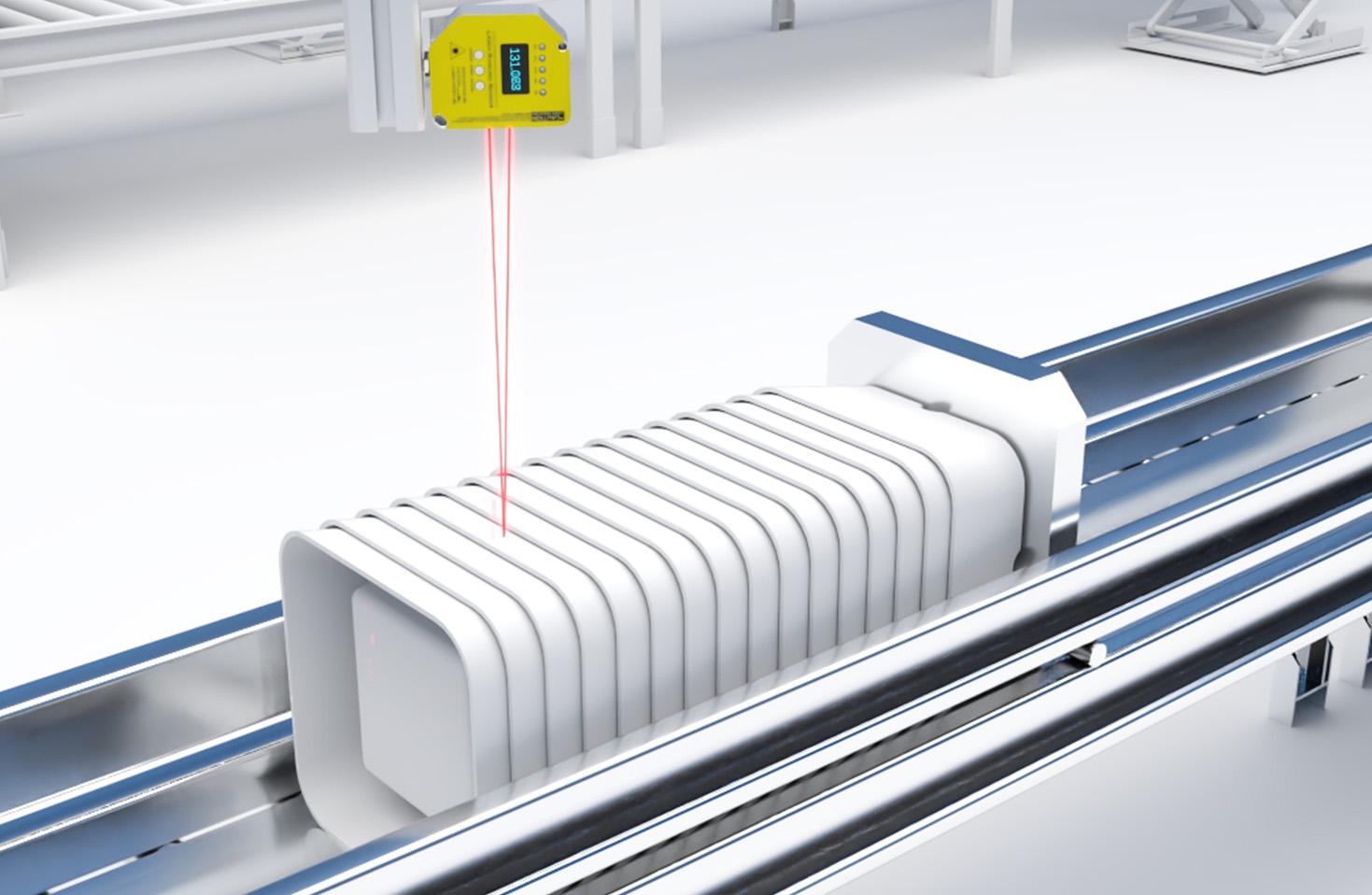
The core technology behind these sensors often involves photodiodes or phototransistors as receivers, converting light signals into electrical currents. Signal processing circuits then amplify and filter these signals to eliminate noise from ambient light or vibrations. Many laser switch sensors also feature adjustable sensitivity, allowing users to fine-tune detection thresholds based on object size, color, or surface texture. For instance, dark or absorbent materials might reflect less light, requiring higher sensitivity settings. Additionally, some sensors integrate microprocessors for digital signal processing, enabling features like teach-in programming, where the sensor learns reference values automatically for optimal performance.
In industrial settings, laser switch sensors are valued for their fast response times, often in the microsecond range, and their ability to detect small or fast-moving objects with sub-millimeter precision. They are commonly used in quality control, such as verifying part dimensions or detecting defects on production lines. Safety applications include light curtains, where arrays of laser sensors create invisible barriers to protect workers from machinery. Environmental factors like dust, humidity, or temperature fluctuations can affect performance, so many sensors are built with rugged housings and IP ratings for durability in harsh conditions. Regular maintenance, such as lens cleaning and alignment checks, ensures long-term reliability.
Emerging trends in laser switch sensor technology include the integration of IoT capabilities for remote monitoring and predictive maintenance. Smart sensors can transmit data on operational status or detection counts to central systems, facilitating real-time analytics and reducing downtime. Furthermore, advancements in laser sources, such as the use of VCSELs (Vertical-Cavity Surface-Emitting Lasers), offer improved energy efficiency and beam quality. As industries embrace Industry 4.0, these sensors are becoming more interconnected and adaptive, supporting automated decision-making in complex workflows.
Overall, laser switch sensors exemplify the convergence of optics, electronics, and software in industrial automation. Their principles are rooted in fundamental physics, yet their implementation continues to evolve with technological innovations. By understanding how these sensors work, engineers can select the right type for specific applications, optimizing efficiency and safety in manufacturing processes. Whether for simple object detection or sophisticated measurement tasks, laser switch sensors remain indispensable tools in the modern factory landscape.