In the rapidly evolving landscape of industrial automation, proximity switch sensors stand as critical components for non-contact detection, object positioning, and process control. For original equipment manufacturers (OEMs), system integrators, and distributors, leveraging professional OEM (Original Equipment Manufacturing) and ODM (Original Design Manufacturing) services for these sensors has become a strategic imperative. This article delves into the core aspects, benefits, and critical considerations of partnering with a specialized manufacturer for proximity sensor代加工贴牌, ensuring you make informed decisions for your supply chain and product portfolio.
The OEM/ODM model for proximity sensors involves contracting a manufacturing expert to produce sensors according to your precise specifications (OEM) or to design and manufacture a customized product under your brand name (ODM). This approach is distinct from simply purchasing off-the-shelf components. It allows your company to offer tailored solutions—be it inductive, capacitive, ultrasonic, or magnetic sensors—without the colossal capital investment and operational overhead of establishing an in-house production line. The manufacturer handles the intricate processes: from sourcing high-grade raw materials and precision machining of housings to the assembly of sensitive electronic circuits, rigorous calibration, and comprehensive testing.
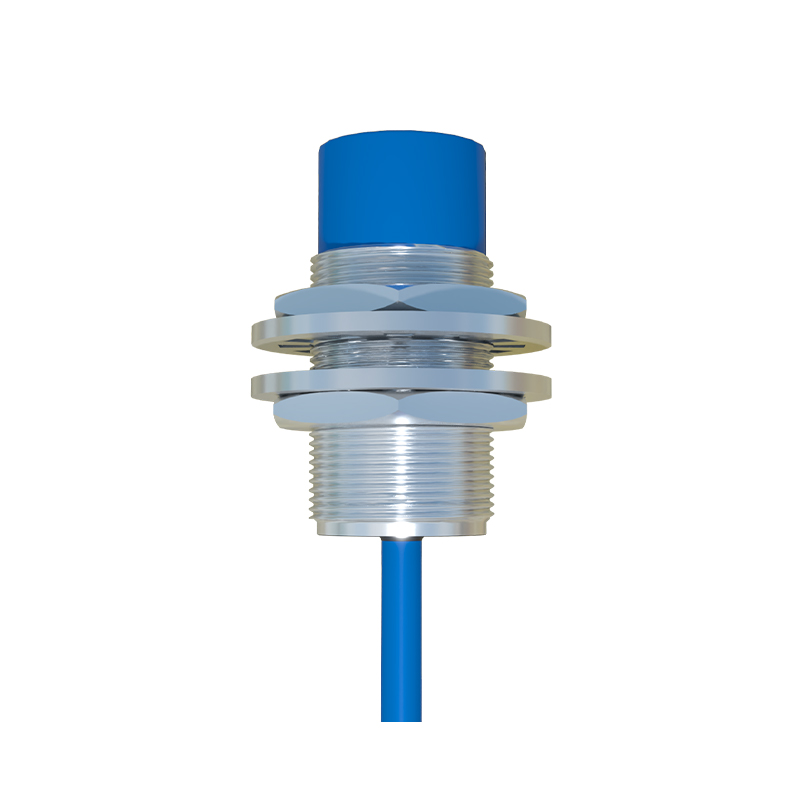
The advantages of this model are multifaceted. Firstly, it grants unparalleled Product Customization. You can specify technical parameters such as sensing range, output type (PNP/NPN, NO/NC, analog, IO-Link), housing material (stainless steel, brass, PBT plastic), and electrical connections (connectors, cable outlets) to meet exact application needs in packaging, automotive assembly, material handling, or CNC machinery. Secondly, it offers significant Cost Efficiency. By leveraging the manufacturer's economies of scale, specialized expertise, and optimized supply chains, you achieve lower per-unit costs compared to small-batch in-house production. Thirdly, it accelerates Time-to-Market. Experienced manufacturers with established workflows and quality management systems (like ISO 9001) can rapidly translate your designs into reliable, certified products, allowing you to respond swiftly to market opportunities. Finally, it enables Brand Development. You build brand equity and customer loyalty by offering proprietary, application-optimized sensors, rather than generic alternatives.
However, a successful partnership hinges on meticulous due diligence. Selecting the right manufacturing partner is paramount. Key evaluation criteria include Technical Proficiency and R&D Capability. Assess their experience with various sensing technologies, ability to handle custom designs, and their in-house engineering support. Manufacturing Quality and Certifications are non-negotiable. Insist on evidence of robust quality control processes, testing protocols (IP ratings, EMC compliance), and relevant industry certifications. Supply Chain Stability and Scalability are crucial for ensuring consistent supply. Inquire about their component sourcing strategies and capacity to scale production up or down based on your demand forecasts. Clear communication regarding Intellectual Property (IP) Protection must be formalized in contracts to safeguard your designs, firmware, and brand identity.
The collaboration process typically follows a structured path. It begins with a Consultation and Feasibility Study, where requirements are defined. This is followed by Prototyping and Validation, where functional samples are built and tested in real or simulated conditions. Upon approval, the Production Ramp-up phase begins, leading to Full-Scale Manufacturing with ongoing quality audits. A reputable partner will also provide robust Post-Launch Support, including technical documentation, warranty services, and lifecycle management.
In conclusion, OEM/ODM manufacturing for proximity switch sensors is a powerful strategy to enhance competitiveness in the industrial components sector. It transforms fixed capital costs into variable operational costs, fosters innovation through customization, and strengthens market positioning. By carefully selecting a capable and reliable manufacturing partner and fostering a collaborative relationship built on transparency and shared goals, businesses can secure a high-quality, cost-effective, and agile supply of these essential automation components, driving growth and customer satisfaction in an increasingly demanding industrial world.