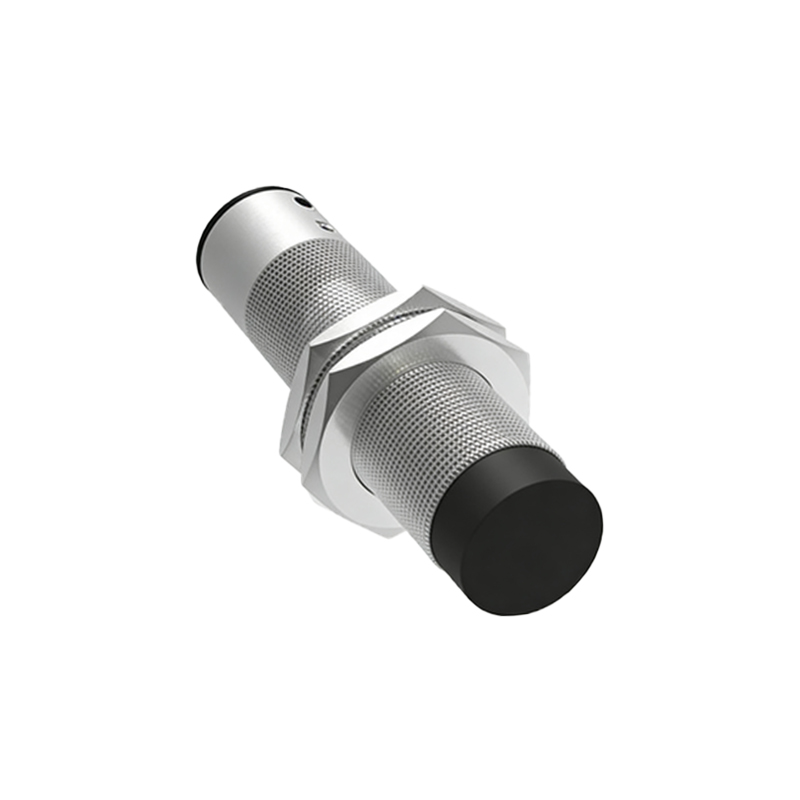
In the rapidly evolving landscape of industrial automation, proximity sensors measuring under one inch have become indispensable components for precision detection and control. These compact devices, often referred to as miniature or sub-one-inch sensors, are engineered to detect the presence or absence of objects within a short range without physical contact. Their small form factor allows for integration into tight spaces where traditional larger sensors cannot operate, making them ideal for applications in robotics, packaging machinery, automotive assembly, and electronics manufacturing.
The operational principle of these sensors typically relies on electromagnetic, capacitive, or inductive technologies. Inductive proximity sensors, for instance, generate an electromagnetic field to detect metallic objects, offering high reliability in harsh environments with dust, moisture, or vibration. Capacitive variants can sense both metallic and non-metallic materials, such as plastics or liquids, by measuring changes in capacitance. Despite their diminutive size—often as small as 8mm in diameter—they deliver robust performance with sensing ranges up to a few millimeters, ensuring accurate detection in high-speed processes.
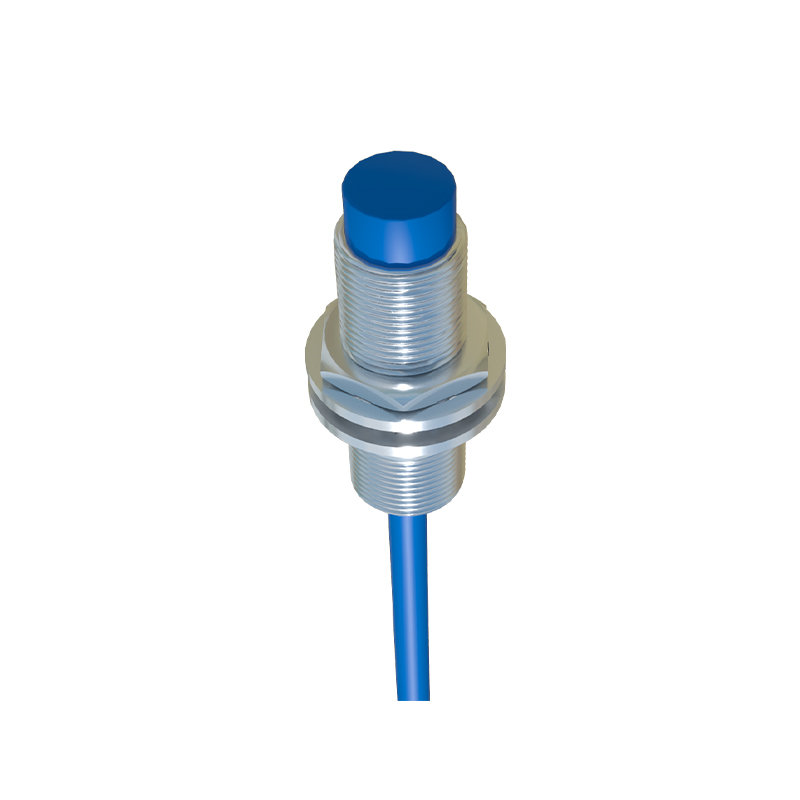
Key advantages of using sub-one-inch proximity sensors include enhanced space efficiency, reduced installation costs, and improved system flexibility. In automated production lines, they enable precise positioning of components, error-proofing in assembly stages, and monitoring of material flow. For example, in semiconductor fabrication, these sensors verify the placement of tiny chips on circuit boards, minimizing defects and boosting throughput. Their low power consumption and solid-state design contribute to longevity, with many models featuring IP67 or higher ingress protection ratings for durability in demanding conditions.
When selecting a miniature proximity sensor, engineers must consider factors like sensing distance, response time, output type (e.g., NPN/PNP, analog, or digital), and environmental resilience. Advanced models now incorporate smart features such as IO-Link connectivity for real-time diagnostics and parameter adjustments, aligning with Industry 4.0 trends. Maintenance is minimal, but regular calibration ensures consistent accuracy, especially in applications involving temperature fluctuations or electromagnetic interference.
In summary, proximity sensors under one inch represent a critical innovation in industrial engineering, driving efficiency and reliability in modern automation systems. Their compact design does not compromise functionality, offering a versatile solution for diverse detection challenges. As industries continue to prioritize miniaturization and precision, these sensors will play an increasingly vital role in optimizing operational workflows and supporting technological advancements.