In the realm of precision measurement and electrical engineering, cesium magnetometer laser sensors represent a cutting-edge technology that has revolutionized magnetic field detection. These sensors leverage the unique properties of cesium atoms, combined with laser-based optical pumping techniques, to achieve unparalleled sensitivity and accuracy in measuring magnetic fields. The core principle involves using lasers to polarize cesium atoms, aligning their electron spins, and then detecting changes in their precession frequency when exposed to external magnetic fields. This method, known as optically pumped magnetometry, offers significant advantages over traditional coil-based or fluxgate magnetometers, including higher resolution, faster response times, and reduced noise interference.
Cesium magnetometer laser sensors are particularly valuable in applications requiring extreme precision, such as geophysical surveying for mineral exploration, where they can detect subtle variations in Earth's magnetic field to identify underground resources. In the aerospace and defense sectors, these sensors are employed for navigation systems, submarine detection, and space research, providing reliable data in challenging environments. Additionally, they play a crucial role in medical diagnostics, enabling advanced techniques like magnetoencephalography (MEG) for non-invasive brain imaging by measuring the faint magnetic fields generated by neural activity.
The operational mechanism of cesium magnetometer laser sensors begins with a vapor cell containing cesium gas. A laser beam, typically tuned to the D1 or D2 transition line of cesium, is directed into the cell to optically pump the atoms into a specific spin state. This process creates a macroscopic magnetization, which precesses around any applied magnetic field at the Larmor frequency. By monitoring this precession through laser absorption or fluorescence measurements, the sensor can calculate the magnetic field strength with high precision. Advanced designs incorporate feedback loops and digital signal processing to enhance stability and minimize drift, ensuring consistent performance over time.
Key benefits of cesium magnetometer laser sensors include their wide dynamic range, capable of measuring fields from fractions of a nanotesla to several millitesla, and their immunity to temperature fluctuations and mechanical vibrations, making them suitable for field use. However, challenges remain, such as the need for careful calibration and the relatively high cost due to complex components like lasers and vapor cells. Ongoing research focuses on miniaturizing these sensors using micro-electromechanical systems (MEMS) and integrating them with quantum technologies to further boost sensitivity.

In electrical engineering projects, cesium magnetometer laser sensors are increasingly adopted for power grid monitoring, where they help detect faults by measuring magnetic disturbances around transmission lines. They also support renewable energy initiatives, such as assessing magnetic interference from wind turbines or solar farms. As industries demand more accurate and reliable sensing solutions, the adoption of cesium-based magnetometers is expected to grow, driven by advancements in laser optics and atomic physics. Engineers must consider factors like power consumption, environmental conditions, and data integration when implementing these sensors in practical systems.
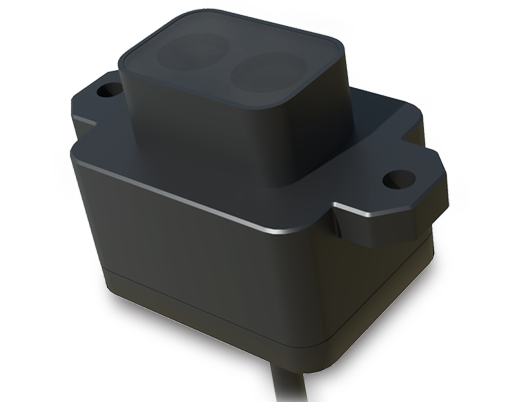
Overall, cesium magnetometer laser sensors exemplify the convergence of quantum mechanics and engineering, offering transformative capabilities for magnetic field measurement. Their development underscores the importance of interdisciplinary innovation in electrical engineering, paving the way for new applications in science, industry, and technology. By understanding their principles and applications, professionals can harness their potential to solve complex measurement challenges and drive progress in various fields.
