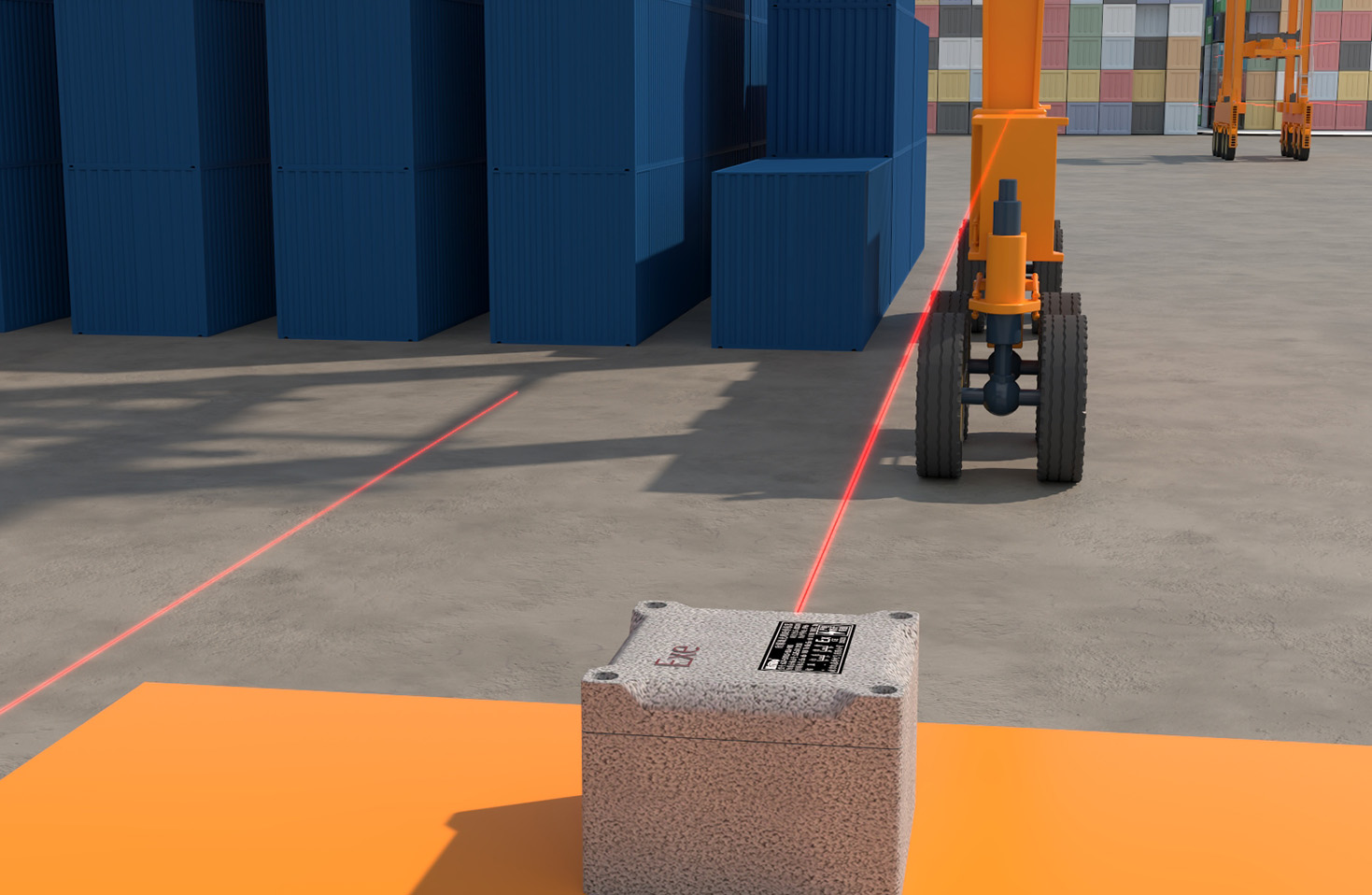
In the realm of industrial automation and quality control, laser sensors have emerged as a pivotal technology for precise color measurement. Unlike conventional color detection methods that rely on ambient light or broad-spectrum illumination, laser sensors utilize monochromatic, coherent light to analyze the spectral reflectance or absorption characteristics of materials. This approach offers unparalleled accuracy, repeatability, and speed, making it indispensable in sectors such as manufacturing, packaging, textiles, and food processing.
The fundamental principle behind laser-based color sensing involves emitting a focused laser beam onto a target surface. The wavelength of the laser is carefully selected based on the specific color properties to be measured. When the beam interacts with the material, a portion of the light is reflected, scattered, or absorbed. A high-sensitivity photodetector within the sensor captures the reflected light intensity at that particular wavelength. By comparing this intensity to a pre-calibrated reference or using multiple laser wavelengths, the sensor can determine color attributes such as hue, saturation, and brightness. Advanced systems may employ RGB lasers or tunable lasers to scan across a spectrum, enabling detailed color analysis and differentiation of subtle shades that are indistinguishable to the human eye.
One of the key advantages of laser sensors is their immunity to ambient light interference. Since lasers operate at specific, narrow wavelengths, filters can be used to block out extraneous light, ensuring stable measurements even in fluctuating environmental conditions. This robustness is critical in industrial settings where lighting may vary. Additionally, the focused nature of laser beams allows for measurement on small or intricate surfaces, such as electronic components, printed labels, or fabric patterns, with minimal impact from surface texture or geometry.
In practical applications, laser color sensors are integrated into automated production lines for tasks like sorting, grading, and verification. For instance, in the beverage industry, sensors verify label colors to ensure correct product branding and packaging. In automotive manufacturing, they inspect paint consistency and finish quality. The textile industry uses them to match dyes and detect color deviations in fabrics. The data collected can be fed into control systems to trigger real-time adjustments, reject defective items, or log quality metrics for compliance.
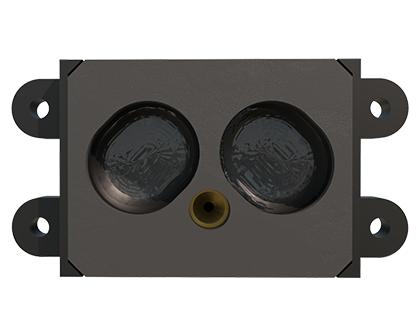
Despite their precision, implementing laser color sensors requires careful consideration. Factors such as target material properties (e.g., transparency, glossiness), distance, angle of incidence, and sensor calibration must be optimized to avoid errors. Regular maintenance, including lens cleaning and calibration checks, is essential to sustain accuracy. Emerging trends, such as the integration of artificial intelligence and machine learning algorithms, are enhancing these sensors' capabilities, allowing for adaptive learning and more complex color recognition tasks.
Overall, laser sensors represent a sophisticated solution for industrial color measurement, driving efficiency and quality assurance. Their ability to deliver fast, reliable, and non-contact analysis makes them a cornerstone of modern automation, continually evolving to meet the demands of diverse industries. As technology advances, we can expect even greater precision and versatility in color sensing applications.