Adjustable proximity sensors represent a critical advancement in industrial sensing technology, offering unparalleled precision and adaptability in diverse automation environments. These sensors detect the presence or absence of objects without physical contact, utilizing electromagnetic fields, infrared light, or ultrasonic waves. The key distinction of adjustable models lies in their configurable sensing ranges, sensitivity thresholds, and output modes, allowing engineers to tailor performance to specific application requirements.
In manufacturing and assembly lines, adjustable proximity sensors optimize processes by enabling fine-tuned detection of metallic or non-metallic materials. For instance, in automotive production, sensors with variable sensing distances ensure accurate positioning of components, reducing errors and downtime. The ability to adjust hysteresis—the difference between activation and deactivation points—enhances reliability in environments with vibration or temperature fluctuations.
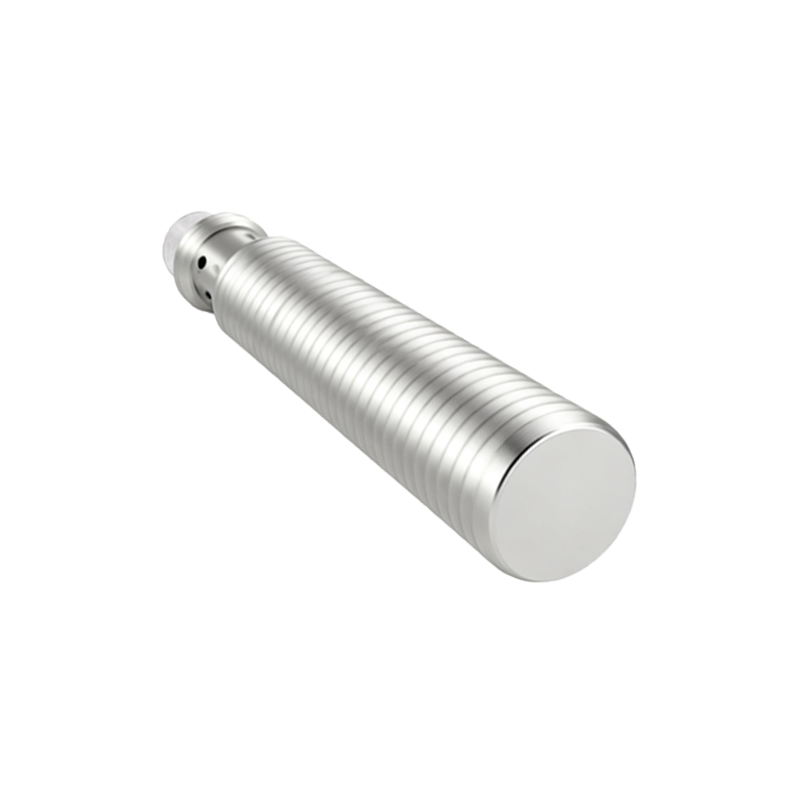
Modern adjustable proximity sensors integrate digital interfaces, such as IO-Link or Ethernet/IP, facilitating real-time parameter adjustments and diagnostics. This connectivity supports Industry 4.0 initiatives, enabling predictive maintenance and data-driven optimization. Engineers can remotely modify settings like switch-on delay or output logic, minimizing manual intervention and boosting operational efficiency.
Selecting the right adjustable proximity sensor involves evaluating factors like sensing range (from millimeters to meters), material compatibility, and environmental resilience. IP-rated housings protect against dust, moisture, and chemical exposure, ensuring longevity in harsh conditions. Additionally, models with teach-in functions simplify calibration, allowing users to set thresholds via push-button or programming tools.
Applications span from packaging machinery, where sensors adjust to varying container sizes, to robotics, where precise object detection enables safe collaboration between humans and machines. In logistics, adjustable sensors streamline sorting systems by adapting to different parcel dimensions, enhancing throughput and accuracy.
Despite their advantages, challenges include electromagnetic interference in high-noise environments and calibration drift over time. Regular validation against reference standards mitigates these issues, maintaining sensor accuracy. Future trends point toward miniaturization, enhanced energy efficiency, and AI-driven adaptive sensing, which will further expand the role of adjustable proximity sensors in smart factories.
In conclusion, adjustable proximity sensors are indispensable tools for modern industrial automation, blending flexibility with robust performance. By empowering engineers to customize detection parameters, they drive innovation, reduce waste, and support the evolution toward more responsive and intelligent manufacturing ecosystems.