In the rapidly evolving landscape of defense technology, the integration of laser missile phone sensors represents a groundbreaking leap in precision targeting and real-time situational awareness. These sophisticated sensors, embedded within mobile or handheld devices, leverage advanced photonics and micro-electromechanical systems (MEMS) to detect, track, and guide laser-designated munitions with unprecedented accuracy. Unlike traditional targeting systems that rely on bulky, stationary equipment, laser missile phone sensors offer portability and rapid deployment, enabling field operatives to execute missions with enhanced agility.
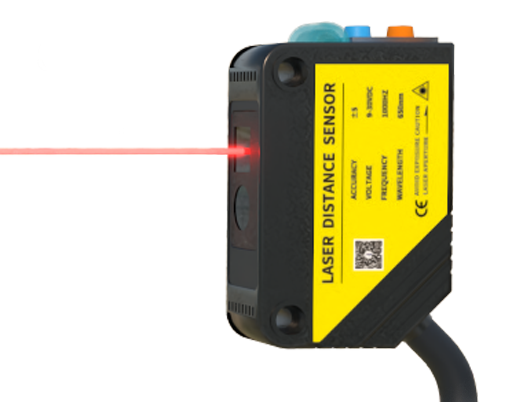
The core functionality of these sensors hinges on their ability to capture and interpret laser energy reflected from targets illuminated by designators. Utilizing high-sensitivity photodiodes and adaptive optics, they filter ambient noise—such as sunlight or artificial lighting—to isolate the specific laser wavelength, typically in the near-infrared spectrum. This data is then processed through embedded algorithms that calculate range, azimuth, and elevation, transmitting coordinates to missile guidance systems in milliseconds. Recent innovations have incorporated quantum dot technology and AI-driven pattern recognition, reducing false positives and improving performance in cluttered environments like urban warfare or dense foliage.
From an engineering perspective, the design challenges are multifaceted. Power efficiency is critical, as sensors must operate for extended periods without compromising the device's battery life. Thermal management is another concern, given the heat generated by continuous laser detection. Engineers address this through graphene-based heat sinks and low-power semiconductor materials. Additionally, cybersecurity protocols are paramount to prevent signal jamming or spoofing; encryption layers and frequency-hopping spread spectrum (FHSS) techniques are standard in current models.
Industry applications extend beyond direct combat. These sensors are pivotal in border surveillance, disaster response, and infrastructure protection, where they facilitate rapid identification of threats like unauthorized drones or chemical agents. Collaboration with satellite networks and IoT platforms further enhances their capability, creating a seamless sensor-to-shooter loop. As research progresses, we anticipate miniaturization to nano-scale sensors and integration with augmented reality (AR) interfaces, allowing users to visualize targeting data overlays in real-time.
In conclusion, laser missile phone sensors epitomize the convergence of consumer electronics and defense engineering. By delivering pinpoint accuracy in a compact form factor, they redefine modern warfare tactics and civilian safety measures. Ongoing investments in R&D promise to elevate their sensitivity and resilience, solidifying their role as indispensable tools in global security frameworks.
