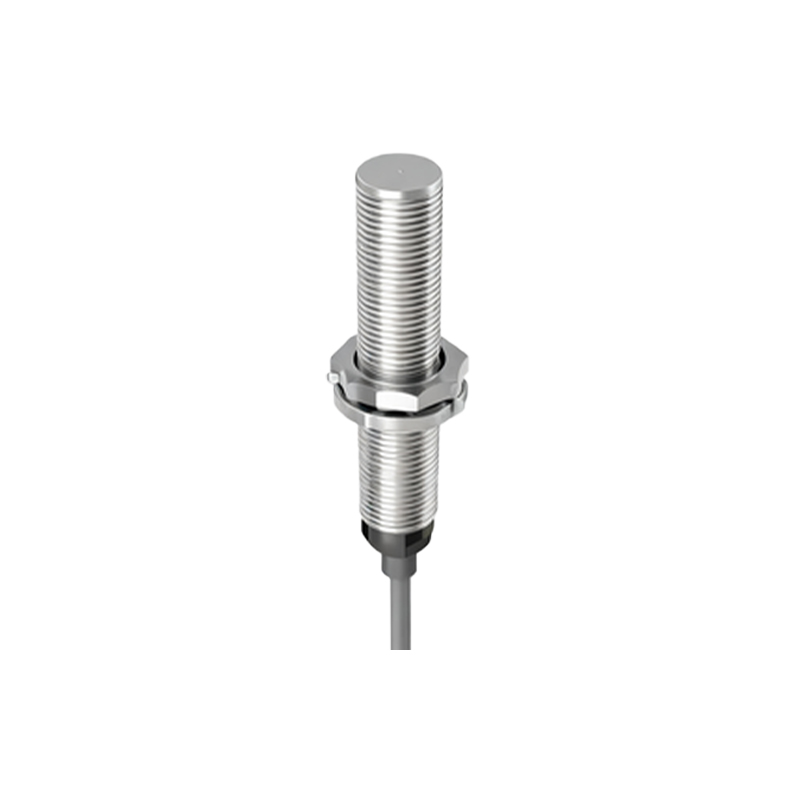
In the realm of industrial automation and machinery, proximity sensors are indispensable components for non-contact detection of objects. A critical, yet often overlooked, accessory that ensures the optimal performance and longevity of these sensors is the plastic shim. This guide delves into the purpose, selection criteria, and practical applications of proximity sensor plastic shims, providing essential insights for engineers and technicians.
Plastic shims, typically thin washers or spacers, are installed between the sensing face of a proximity sensor and its mounting surface. Their primary function is to create a precise air gap. This gap is crucial because most inductive and capacitive proximity sensors have a specified sensing range and require a minimum distance from the metal mounting bracket or the machine structure itself. Without this gap, the sensor might falsely detect the mounting hardware, leading to erratic behavior, constant activation, or even damage. The shim physically enforces this necessary separation.
The material composition of these shims is not arbitrary. They are predominantly manufactured from engineering plastics such as PTFE (Teflon), POM (Acetal/Delrin), or Nylon. These materials are chosen for their specific dielectric properties, mechanical strength, and resistance to industrial environments. For instance, PTFE offers excellent chemical resistance and a low coefficient of friction, while POM provides high stiffness and dimensional stability. The choice of material can affect the sensor's performance, especially for capacitive sensors which are sensitive to the dielectric constant of nearby materials.
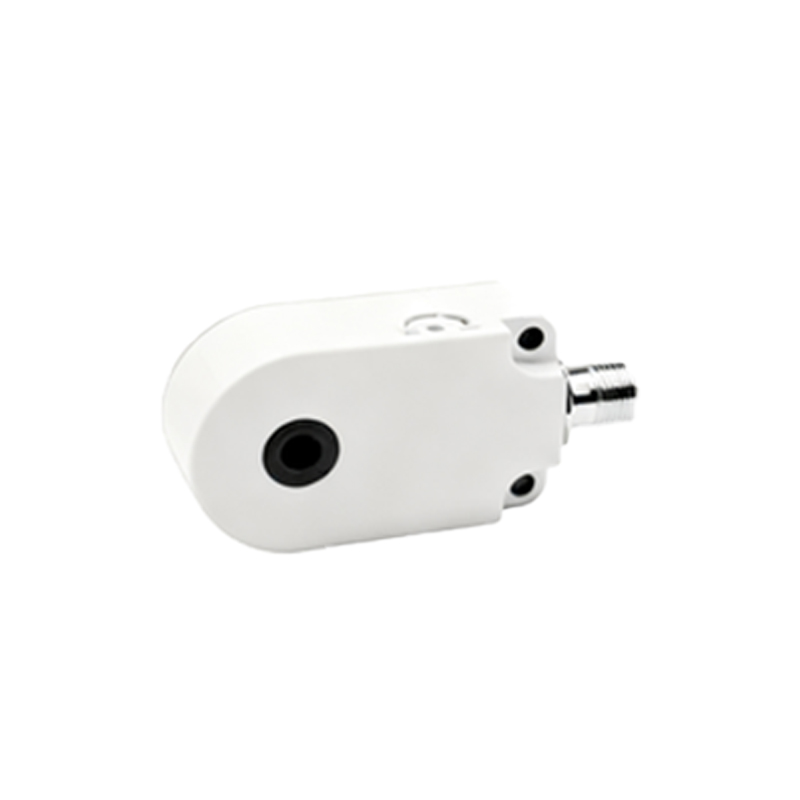
Selecting the correct plastic shim involves several key parameters. First is the thickness. The required thickness is directly specified by the sensor manufacturer in the technical datasheet, often denoted as the "minimum mounting distance" or "non-detection zone." Using a shim thinner than recommended can result in interference. Second is the inner and outer diameter. The shim must fit snugly around the sensor's body or threaded section without obstructing the sensing face. Third is the material, as mentioned, which should be compatible with the operating environment—considering factors like temperature extremes, exposure to oils, coolants, or UV light.
In practical application, the installation process is straightforward but demands attention to detail. After mounting the sensor in its bracket or housing, the plastic shim is placed against the mounting surface. The sensor is then tightened, ensuring the shim remains flat and centered. It is good practice to verify the sensor's operation with a target object after installation to confirm the correct gap has been achieved. For cylindrical sensors, shims are often donut-shaped, while for rectangular block-style sensors, they may be rectangular or square plates.
Beyond standard gap correction, plastic shims serve other valuable purposes. They can act as insulators in electrically noisy environments, providing a degree of shielding. They also protect the sensor's face from abrasion, scratches, or buildup of metallic particles in grinding or machining applications, thereby extending the sensor's service life. In some high-vibration settings, a shim with slight damping properties can help secure the sensor more firmly.
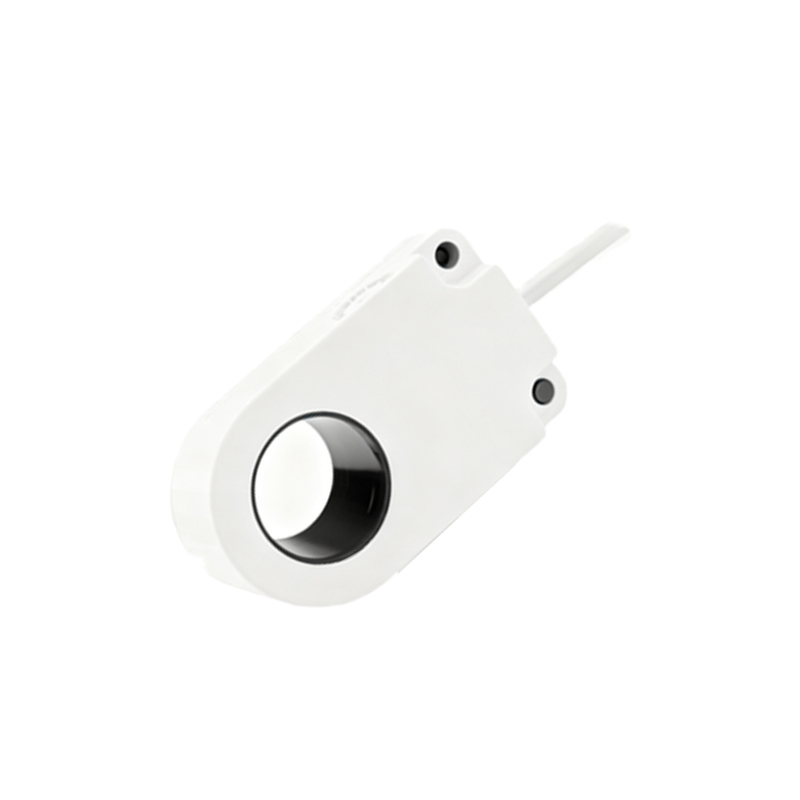
A common oversight is the reuse of damaged or deformed shims. These components are designed as consumables. A shim that is cracked, warped, or compressed beyond its original thickness should always be replaced. Keeping a variety of standard-sized shims made from different plastics in the maintenance inventory is a proactive strategy for minimizing machine downtime.
In conclusion, the humble plastic shim is a vital element in the reliable deployment of proximity sensors. By ensuring the correct air gap, it safeguards sensor accuracy and prevents malfunctions. Understanding their function, specifications, and proper handling is a mark of thorough engineering practice, contributing directly to the efficiency and robustness of automated systems. Always consult the sensor manufacturer's documentation for the precise shim requirements of your specific model.