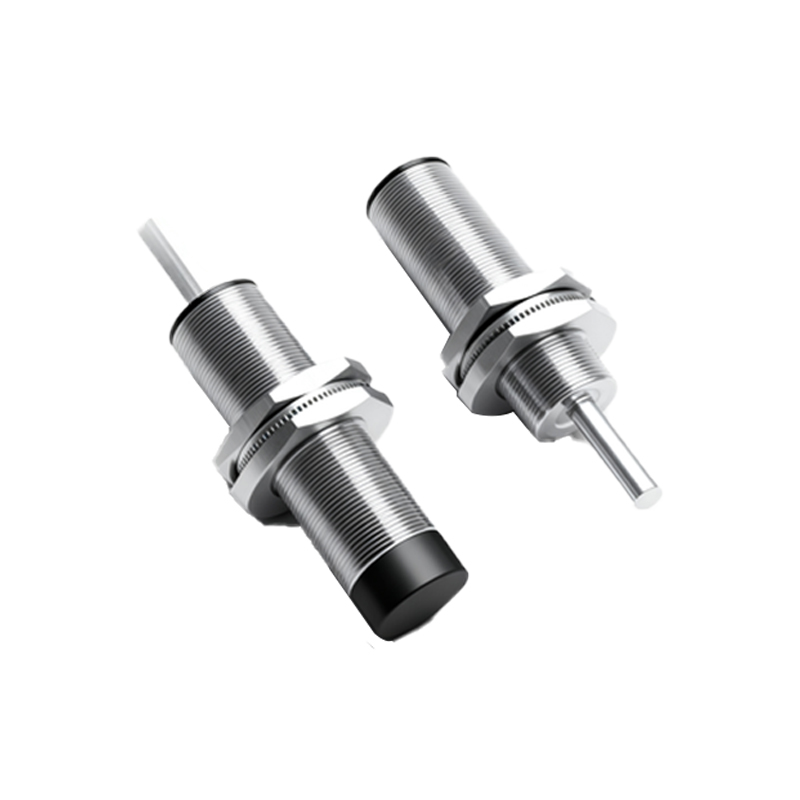
Proximity sensors utilizing infrared (IR) technology have become indispensable components in modern industrial automation, offering precise, non-contact detection capabilities across diverse applications. These sensors operate by emitting infrared light—typically in the near-infrared spectrum—and measuring the reflection or interruption of that light to determine the presence, absence, or distance of an object. Unlike mechanical switches or capacitive sensors, IR-based proximity sensors provide reliable performance without physical contact, reducing wear and tear while maintaining high accuracy in challenging environments such as those with dust, moisture, or variable lighting conditions.
The core function of an infrared proximity sensor lies in its ability to detect objects regardless of surface color or material composition, though highly reflective or absorbent surfaces may require calibration. By leveraging modulated IR signals, these sensors minimize interference from ambient light, ensuring consistent operation in settings like packaging lines, robotic assembly stations, and automotive manufacturing. For instance, in automated conveyor systems, IR proximity sensors can identify product positioning, trigger sorting mechanisms, or count items with minimal error rates. Their rapid response time—often in milliseconds—enhances efficiency in high-speed processes, contributing to optimized throughput and reduced downtime.
In addition to basic presence detection, advanced IR proximity sensors incorporate distance-measuring functionalities through triangulation or time-of-flight (ToF) principles. This enables applications in precision positioning, such as guiding robotic arms during pick-and-place tasks or monitoring fill levels in containers without direct contact. The non-invasive nature of IR technology also makes it suitable for sensitive environments, including cleanrooms in semiconductor fabrication or food processing plants, where hygiene and contamination control are paramount. Moreover, these sensors are integral to safety systems, where they serve as barriers to detect personnel encroachment in hazardous machinery zones, thereby preventing accidents and ensuring compliance with occupational safety regulations.
Despite their advantages, selecting the appropriate IR proximity sensor requires consideration of factors like sensing range, beam pattern, and environmental resilience. For long-range detection, sensors with focused IR beams are preferred, while diffuse-reflective models suit shorter distances. Regular maintenance, such as lens cleaning and alignment checks, helps sustain accuracy over time. As Industry 4.0 evolves, IR proximity sensors are increasingly integrated with IoT platforms, enabling real-time data collection for predictive maintenance and smart factory analytics. This connectivity allows operators to monitor sensor health, adjust parameters remotely, and optimize entire production lines dynamically.
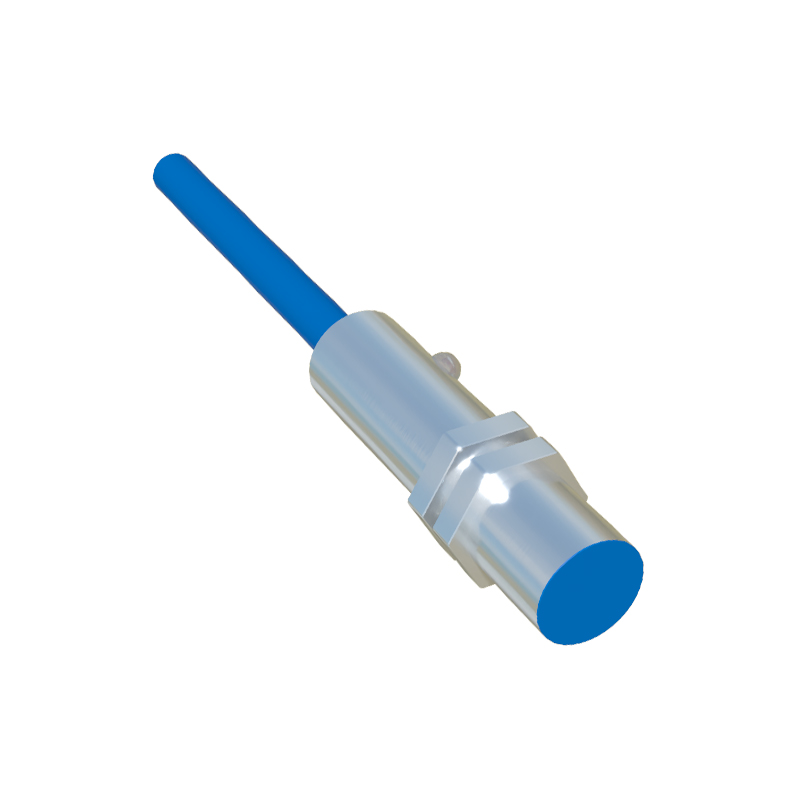
In summary, infrared proximity sensors play a critical role in enhancing automation reliability and safety. Their versatility in object detection, distance measurement, and adaptability to harsh conditions underscores their value across sectors from logistics to heavy machinery. With ongoing advancements in IR emitter efficiency and signal processing algorithms, these sensors continue to push the boundaries of industrial innovation, paving the way for more responsive and intelligent automated systems.