In the realm of industrial automation, proximity sensors stand as silent sentinels, enabling seamless operations across manufacturing floors, robotics, and safety systems. A Proximity Sensor Center serves as the pivotal hub where these critical devices are integrated, calibrated, and monitored, ensuring precision and reliability in diverse applications. Unlike traditional mechanical switches, proximity sensors detect the presence or absence of objects without physical contact, utilizing electromagnetic fields, infrared light, or ultrasonic waves. This non-contact nature minimizes wear and tear, reduces maintenance costs, and enhances operational longevity, making them indispensable in high-speed production environments.
The core of a Proximity Sensor Center lies in its ability to unify various sensor types—inductive, capacitive, photoelectric, and magnetic—into a cohesive network. Inductive sensors, for instance, excel in detecting metallic objects through electromagnetic induction, ideal for metalworking and automotive assembly lines. Capacitive sensors, on the other hand, can sense both metallic and non-metallic materials by measuring changes in capacitance, proving valuable in packaging or liquid level detection. Photoelectric sensors use light beams to identify objects, offering long-range detection in logistics and material handling, while magnetic sensors rely on magnetic fields for precise positioning in harsh conditions. By centralizing these technologies, the center facilitates real-time data exchange, allowing engineers to optimize sensor placement, adjust sensitivity thresholds, and troubleshoot issues remotely.
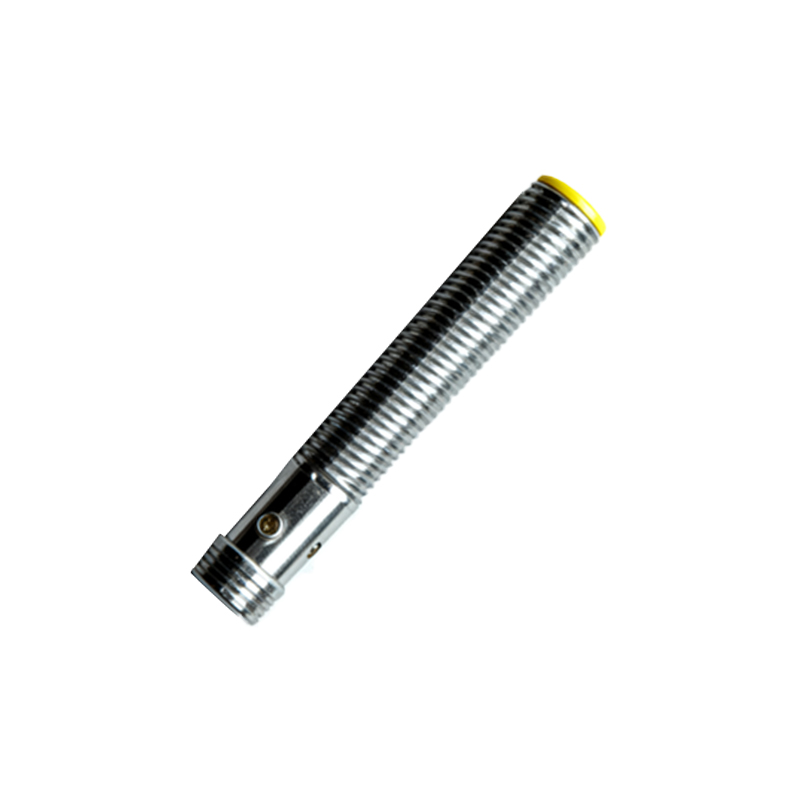
In practice, setting up a Proximity Sensor Center involves meticulous planning. Engineers must consider environmental factors such as temperature fluctuations, humidity, and electromagnetic interference, which can affect sensor accuracy. For example, in a steel mill, inductive sensors might require shielding from extreme heat, whereas in a food processing plant, capacitive sensors need protection against moisture. The center typically includes diagnostic tools and software interfaces that provide alerts for sensor malfunctions or calibration drifts, enabling proactive maintenance. This predictive approach prevents downtime, as seen in automotive manufacturing where a single sensor failure can halt an entire assembly line, costing thousands per minute.
Moreover, the integration of Industrial Internet of Things (IIoT) technologies has transformed Proximity Sensor Centers into smart hubs. By connecting sensors to cloud-based platforms via Ethernet or wireless protocols like IO-Link, data analytics can reveal patterns in machine performance, predict maintenance needs, and even automate adjustments. In robotics, for instance, proximity sensors guide robotic arms with millimeter precision, avoiding collisions and enhancing safety. The center’s role extends to compliance with industry standards such as IEC 60947-5-2, ensuring that sensors meet safety and performance benchmarks in hazardous areas.
Ultimately, a well-designed Proximity Sensor Center boosts efficiency and safety. It reduces human intervention in repetitive tasks, cuts energy consumption by optimizing sensor activation cycles, and supports sustainable practices through precise material usage. As industries evolve toward Industry 4.0, these centers will become more autonomous, leveraging artificial intelligence to self-calibrate and adapt to dynamic production environments. For engineers, mastering this hub is key to unlocking the full potential of automation, driving innovation from factory floors to smart cities.