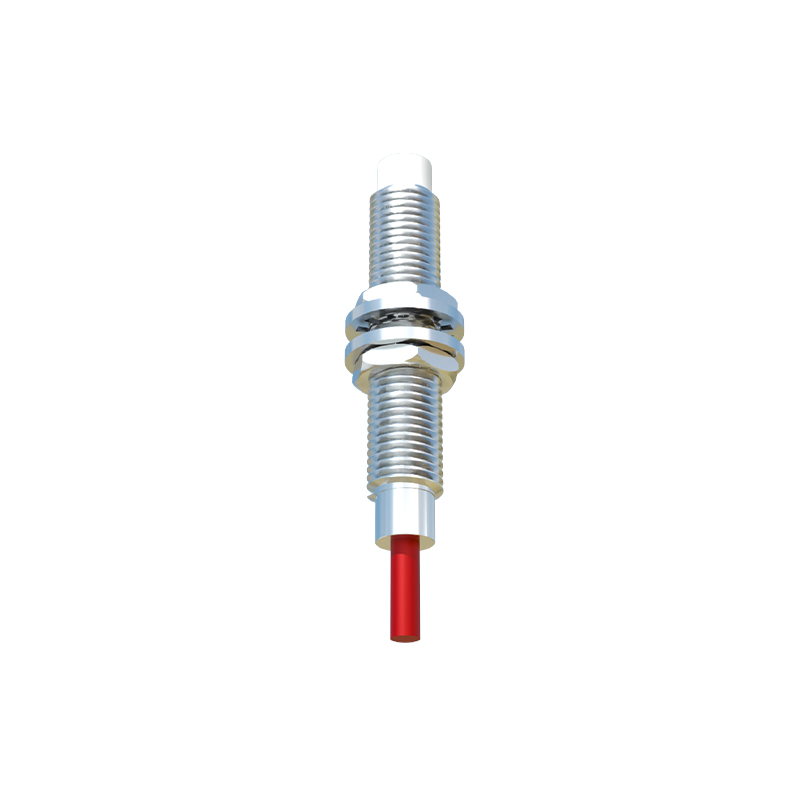
In today's rapidly evolving industrial landscape, the demand for energy-efficient and environmentally conscious automation solutions is at an all-time high. Green proximity sensors, designed with sustainability at their core, have emerged as pivotal components in reducing energy consumption, minimizing waste, and enhancing operational efficiency. These sensors, which detect the presence or absence of objects without physical contact, are now being engineered with eco-friendly materials, low power consumption, and extended lifespans. For engineers and procurement specialists seeking reliable suppliers in this niche, understanding the key players and their offerings is essential.
Several leading global suppliers have made significant strides in developing green proximity sensors. Companies like ifm electronic, Pepperl+Fuchs, SICK AG, Balluff, and Turck are at the forefront, integrating sustainable practices into their product lines. ifm electronic, for instance, emphasizes sensors with high energy efficiency and robust designs that reduce replacement frequency. Their IO-Link enabled sensors facilitate smart diagnostics, preventing unnecessary downtime and material waste. Pepperl+Fuchs offers a range of inductive and capacitive sensors built with recyclable materials and compliant with stringent environmental standards such as RoHS and REACH. These sensors are known for their durability, often operating in harsh conditions without degradation, thereby supporting longer equipment lifecycles.
SICK AG has invested heavily in green technology, producing sensors that consume minimal power while maintaining high performance. Their portfolio includes models with adaptive switching points, which optimize energy use based on application needs. Balluff focuses on modularity and repairability, allowing components to be reused or refurbished rather than discarded. This approach aligns with circular economy principles, reducing electronic waste. Turck’s offerings highlight compact designs and efficient manufacturing processes that lower the carbon footprint per unit. Many of their sensors feature LED indicators that consume less power and are free from hazardous substances like lead and mercury.
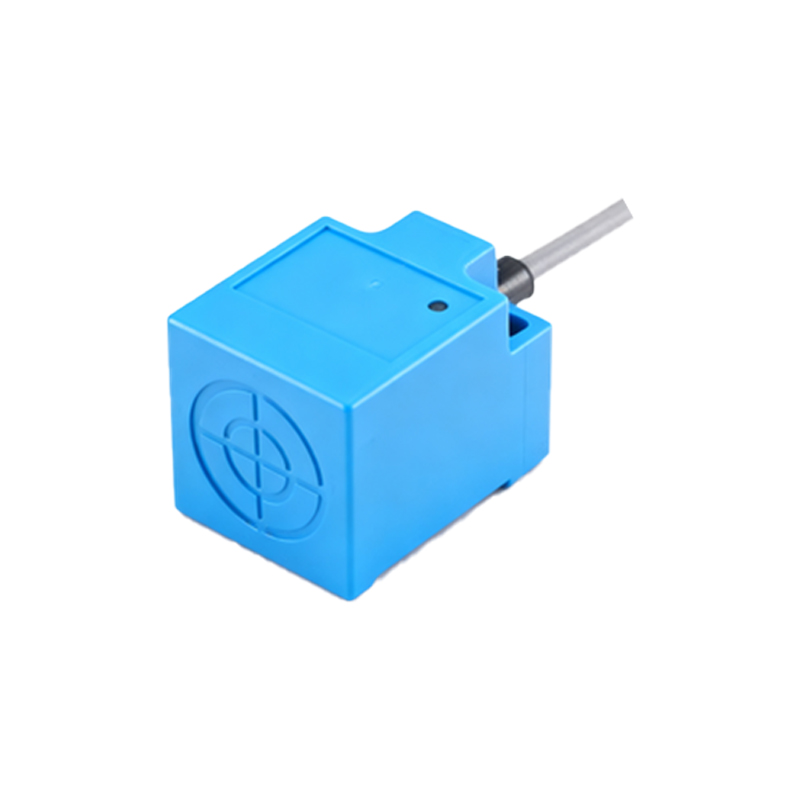
When selecting a green proximity sensor supplier, several technical and environmental criteria should be considered. Power consumption is a primary factor; look for sensors with low operating voltages and sleep modes that activate during idle periods. Material composition is equally important—opt for suppliers that disclose material sourcing and use recycled or biodegradable components where possible. Certifications such as ISO 14001 for environmental management or product-specific eco-labels can serve as reliable indicators of a supplier’s commitment to sustainability. Additionally, evaluate the sensor’s lifecycle: longer operational life reduces the frequency of replacements, thereby conserving resources. Suppliers that offer take-back programs or recycling initiatives further demonstrate a holistic approach to environmental responsibility.
The integration of green proximity sensors into industrial systems not only supports regulatory compliance but also drives cost savings over time. Reduced energy usage translates to lower utility bills, while durable designs decrease maintenance expenses. Moreover, as industries face increasing pressure to meet carbon neutrality goals, adopting such technologies enhances corporate social responsibility profiles. Engineers should collaborate closely with suppliers to tailor solutions that match specific application requirements—whether in packaging, automotive assembly, or renewable energy plants—ensuring both performance and sustainability are optimized.
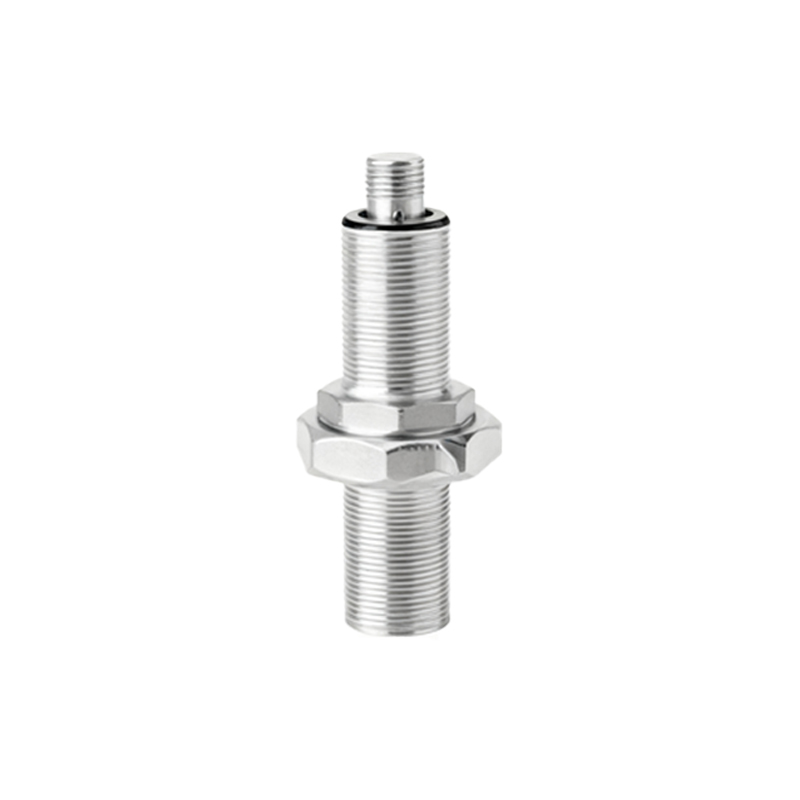
In conclusion, the shift toward green proximity sensors reflects a broader trend in industrial automation toward sustainability. By partnering with innovative suppliers who prioritize eco-design, industries can achieve greater efficiency while contributing to environmental preservation. Continuous advancements in sensor technology, coupled with growing supplier transparency, promise a future where automation and ecology coexist seamlessly.